Indonesia President Prabowo Sacks Chief of Staff Over Alleged Wiretapping
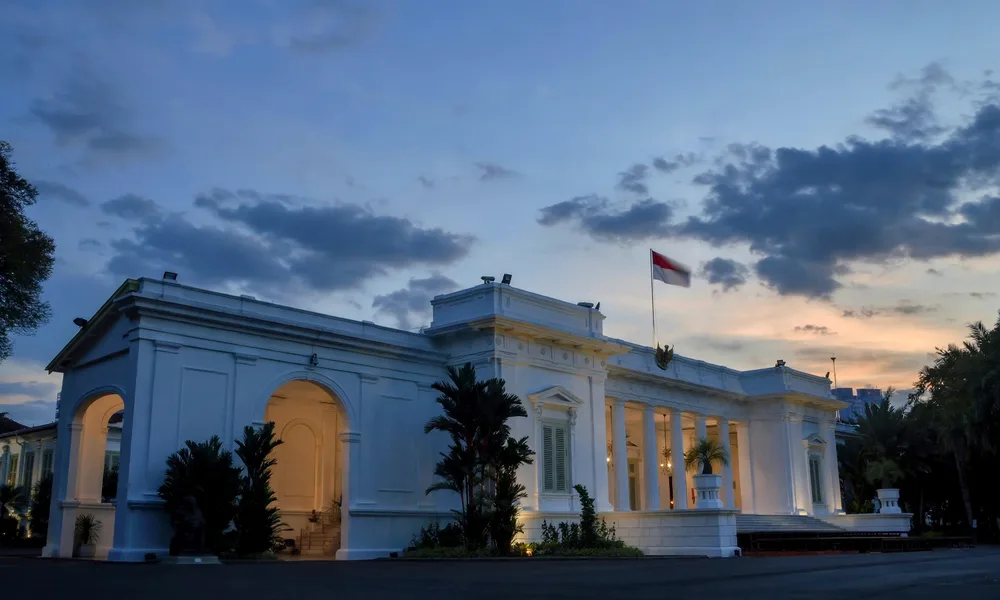
Indonesian President Prabowo Subianto has sacked his chief of staff for what his office said could be treason, a day after the former police chief was arrested with two top police officers on suspicion of wiretapping the president, cabinet ministers and others. The sacking was announced in Jakarta on Wednesday, November 4, 2026, in one of the most serious political scandals of Prabowo’s presidency.
Listyo Sigit Prabowo, who is not a relative of the president, served as national police chief for five years before becoming the president’s chief of staff last month. Police said late on Tuesday that the three suspects were being investigated for unlawful wiretaps carried out from 2025 into this year, targeting the president, state officials, journalists, politicians, business people and leaders of mass organisations. Here is what happened, who is involved, and what remains unknown.
| Quick Fact | Detail |
|---|---|
| Who was sacked | Listyo Sigit Prabowo, chief of staff to President Prabowo Subianto |
| When announced | Wednesday, November 4, 2026, in Jakarta |
| Allegation | Unlawful wiretapping of the president, ministers and others, possibly treason |
| Arrested | Listyo plus two serving police officers, detained on Tuesday, November 3 |
| Other suspects named | Ahrie Sonta Nasution and Eko Hadi Santoso, per local media |
| Wiretap period alleged | From 2025 into 2026 |
| Listyo previous role | National police chief for five years, then chief of staff last month |
| Motive | Not yet determined, per Indonesia’s senior minister for legal affairs |
How the Sacking Was Announced
Presidential spokesperson Prasetyo Hadi announced the sacking to reporters in Jakarta, using unusually strong language. He said the wiretapping was carried out by certain rogue individuals, and that the government was of the view that what was done may already fall into a category that can be considered an act tending toward treason. That word, treason, is what turned a police investigation into a national political crisis.
The sequence is striking for its speed. Listyo became chief of staff only last month, after five years as national police chief. Within weeks, he was arrested alongside two senior officers, and within a day of that arrest he was out of his job. The speed suggests the presidency wanted to draw a clear line: the accused man no longer speaks for the president, and the investigation will proceed without him in office.
It is important to keep the legal status clear. The three men are suspects under investigation for unlawful wiretaps, not convicted criminals. The treason language used by the spokesperson is the government’s view of how serious the alleged conduct could be, not a court verdict. This article reports allegations as allegations, and will not treat them as proven facts.
Who the Three Suspects Are
Listyo Sigit Prabowo is the central figure. As national police chief for five years, he was one of Indonesia’s most powerful officials, overseeing the police force through a period of major political change. His move to chief of staff last month placed him even closer to the president, inside the presidential office itself. That proximity is what makes the allegations so sensitive: the man accused of tapping the president’s phone was, until days ago, working beside him.
Local media named the other two suspects as Ahrie Sonta Nasution, head of the national police legal division, and Eko Hadi Santoso, a senior officer at the national police educational institution. Their roles matter because they suggest the alleged operation, if proven, involved legal and institutional knowledge, not just technical eavesdropping. Police said late on Tuesday that all three were being investigated for unlawful wiretaps on a wide range of targets.
The target list reported by police is broad: the president, state officials, media figures, politicians, business people, and leaders of mass organisations and non governmental groups. If that list is accurate, the alleged surveillance reached far beyond the presidency into Indonesian public life. That breadth is one reason the government is treating the case as a matter of state security rather than a private dispute.
What Is Still Unknown
The biggest unknown is motive. Yusril Ihza Mahendra, Indonesia’s senior minister for legal affairs, said the government has yet to determine why the wiretapping was allegedly carried out. Was it political intelligence gathering, an internal power struggle, blackmail material, or something else entirely? Until investigators establish a motive, speculation will fill the gap, and this article will not fill it with guesses.
Other questions remain open. How were the wiretaps allegedly carried out, and for how long exactly? Who received the intercepted material, if anyone? Did the alleged surveillance affect government decisions, and were any of the targets warned? Police have not yet answered these questions in public, and the investigation is at an early stage. The public record so far consists of the arrests, the sacking, and the government’s characterisation of the alleged conduct.
There is also a political question: what this scandal means for trust inside Prabowo’s government. A president who discovers alleged surveillance by his own chief of staff faces a problem no leader wants, because it raises doubts about who else in the inner circle can be trusted. How Prabowo handles the next appointments, and how transparent the investigation is, will shape whether this crisis fades or grows.
Why This Story Matters Beyond Indonesia
Indonesia is the world’s fourth most populous country and Southeast Asia’s largest economy, so a wiretapping scandal at the top of its government draws attention far beyond Jakarta. Foreign governments, investors and journalists all watch for signs of instability in a country that plays a central role in regional politics, trade and security.
The story also echoes a wider global pattern. Wiretapping scandals have shaken governments from Europe to South Korea to Brazil, and they tend to follow a similar arc: a shocking arrest, a strong official statement, a long investigation, and a slow release of detail. Indonesia’s case is at the very start of that arc, which is why careful reporting matters now. Early facts must be kept separate from later claims.
For readers following Asian politics this week, this story sits alongside other major November 4 developments, including North Korea’s missile launches and its rejection of dialogue with Washington and Iran’s claim that four tankers were destroyed near the Strait of Hormuz. Together they paint a picture of a tense week for security across Asia, from the Korean peninsula to the Middle East to Jakarta.
What Happens Next
The immediate next steps are legal, not political. Police will continue investigating the three suspects, and prosecutors will decide what charges, if any, to bring. The treason language from the presidential office suggests the government sees the case as extremely serious, but only the courts can determine guilt, and the suspects are entitled to be treated as innocent until proven otherwise.
Politically, Prabowo must now fill the chief of staff role, one of the most sensitive jobs in his government. The person he picks will be read as a signal: a loyalist would suggest he wants tighter control, while an outsider might suggest he wants a clean break. Either way, the appointment will be watched closely in Jakarta.
The public will also watch for transparency. Will the government publish findings, or will the investigation proceed behind closed doors? Will the alleged targets be informed about what was intercepted? Those decisions will determine whether Indonesians see this as a government cleaning its own house or a government managing a scandal. For now, the facts are stark enough on their own: a chief of staff sacked within a month of taking the job, accused of tapping the phone of the president he served.
Frequently Asked Questions
Who did President Prabowo sack?
President Prabowo Subianto sacked his chief of staff, Listyo Sigit Prabowo, on November 4, 2026. Listyo is not a relative of the president. He had served as national police chief for five years before becoming chief of staff last month.
What is Listyo accused of?
He and two serving police officers were arrested on suspicion of unlawfully wiretapping the president, cabinet ministers, journalists, politicians, business people and others from 2025 into 2026. The presidential office said the alleged conduct may amount to an act tending toward treason. These are allegations under investigation, not court verdicts.
Who are the other two suspects?
Local media named them as Ahrie Sonta Nasution, head of the national police legal division, and Eko Hadi Santoso, a senior officer at the national police educational institution.
Has a motive been established?
No. Indonesia’s senior minister for legal affairs, Yusril Ihza Mahendra, said the government has yet to determine the motive for the alleged wiretapping.
Sources
Reporting for this article drew on Reuters coverage of the sacking and arrests, reported from Jakarta on November 4, 2026. Readers can check the original reporting here: Reuters report on Indonesia sacking its chief of staff over alleged wiretapping and Reuters coverage of the arrests of the chief of staff and top policemen.
Final Thoughts
There is a grim irony at the heart of this story. The man now accused of listening in on the president was hired to be one of the president’s closest advisers, a role built entirely on trust. If the allegations are proven, that trust was not just broken but weaponised, turned into surveillance of the very office he served.
But if the allegations are not proven, the speed of the sacking will raise its own questions about due process and political survival. That is why the investigation matters more than the headlines. Indonesia deserves a full, fair and public accounting of what happened, who ordered it, and who benefited. Until then, the country is left with a shocking arrest, a sacked chief of staff, and a president who must now govern while wondering who else was listening.