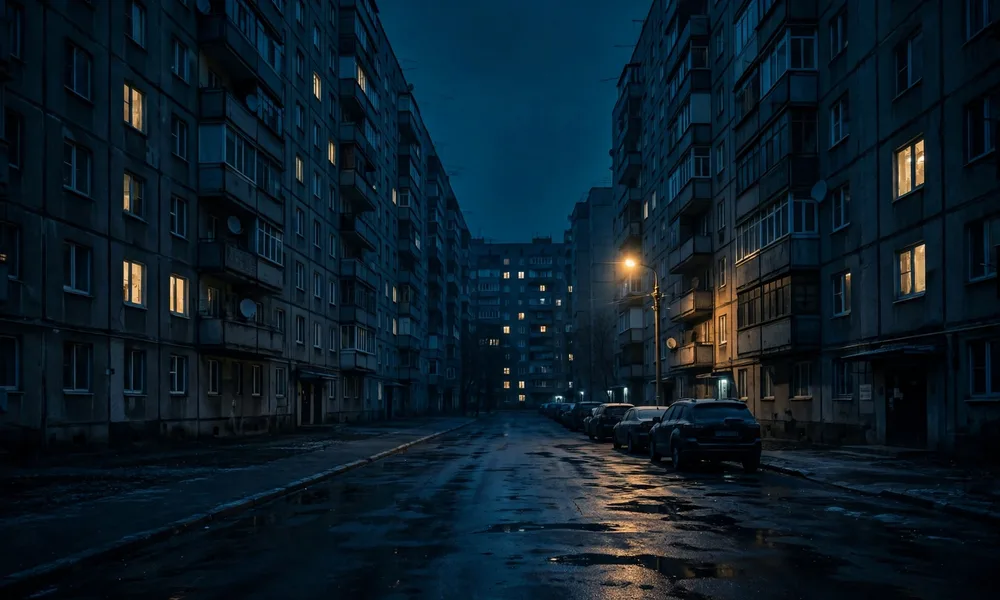
Russian overnight strikes on energy sites in Ukraine left about 850,000 people without electricity on Sunday, November 8, 2026. The worst damage was in the central Dnipropetrovsk region, where more than 600,000 residents lost power, and in the northeastern Kharkiv region, where nearly 250,000 customers were left without power. Power company DTEK said a night attack damaged important energy facilities in Dnipropetrovsk. In Kharkiv, officials said a Russian drone hit a critical infrastructure facility. In the city of Dnipro, public transport stopped and hospitals moved to backup generators. No date has been given for full restoration in the worst hit areas.
| Detail | Fact |
|---|---|
| Date of the strikes | Sunday, November 8, 2026, overnight |
| People without power | About 850,000 in total |
| Dnipropetrovsk region | More than 600,000 residents without power |
| Kharkiv region | Nearly 250,000 customers without power |
| Main target | Energy infrastructure and power facilities |
| Drones launched | 164 drones, including 112 jet powered drones, according to the air force |
| Missiles launched | Three guided missiles, according to the air force |
| Drones stopped | 137 drones shot down or suppressed, according to the air force |
| Transport affected | Metro, trams and trolleybuses stopped in Dnipro |
| Power limits | Hourly power restrictions set by Ukrenergo in several regions |
| Full restoration date | Not given by officials |
What Happened in Dnipropetrovsk
The central Dnipropetrovsk region took the heaviest blow in the overnight attack. Power company DTEK said on Telegram that a night attack damaged important energy facilities and left more than 600,000 residents without power. The head of the regional administration, Oleksandr Hanja, gave the same figure of more than 600,000 consumers without electricity. The fact that two separate sources in the region gave the same number gives it added weight.
The outages spread across five districts: Dnipro, Pavlohrad, Samarivskyi, Kamianske and Synelnykove, according to DTEK. That spread shows the damage was not limited to one town or one site.
In the city of Dnipro, the effect was clear within hours. The metro, trams and trolleybuses stopped running, leaving many people with no easy way to get to work, to school, to a hospital or to a shop. Hospitals and other critical facilities switched to backup generators, which can keep vital equipment running for a time but are not a full answer to a long outage.
DTEK said repairs are being complicated by repeated attacks. Crews must work while the threat of another strike remains, and a site that is fixed can be hit again.
The Strike in the Kharkiv Region
In the northeastern Kharkiv region, the damage came from a drone strike. Zlatopil Mayor Mykola Baksheyev said a Russian drone hit a critical infrastructure facility. Nearly 250,000 customers in the Kharkiv region were left without power after that strike. No casualties were reported from that strike, which is one small point of relief in a night that caused wide disruption.
The Kharkiv figure adds to the Dnipropetrovsk figure to reach the total of about 850,000 people without power. The two regions are far apart, which shows the attack hit energy sites in more than one part of the country on the same night.
For people in Kharkiv, the loss of power brings the same daily problems seen in Dnipro. Lights go out, heating stops, phones cannot charge, and shops and clinics must change their plans. In winter, cold weather makes heating a matter of health, not comfort.
The Scale of the Overnight Attack
Ukraine’s air force gave figures for the size of the overnight attack. It said Russia launched 164 drones, including 112 jet powered drones, and three guided missiles. It said air defences shot down or suppressed 137 of the drones. These figures could not be independently verified, so they should be read as the air force account of the night, not as confirmed fact from a neutral source.
Even with that caution, the numbers help explain why so much damage was done. A large number of drones can stretch air defences, and some will get through even when many are stopped. Jet powered drones move faster, which gives defenders less time to react.
The figure of 137 drones stopped also shows defences were active through the night. The power cuts happened even though many drones were stopped, which shows how hard it is to protect every energy site across a large country.
Readers who want to follow how these attacks have developed can read our earlier report on Russia missile attack Kyiv November 7. That report covers the strikes that came just before this latest attack and helps place the November 8 outages in a wider pattern of pressure on cities and energy sites.
A Campaign Against the Grid Before Winter
The strikes on November 8 did not come out of nowhere. They came a day after Ukraine’s energy ministry said a massive attack on energy facilities had plunged residents in five regions into darkness and significantly hampered electricity transmission in Kyiv. That earlier attack had already left many people without power and had already put strain on the grid in the capital. The November 8 strikes added to that strain and widened it to new areas.
Ukraine’s national grid operator, Ukrenergo, has set hourly power restrictions in several regions. Power is switched off in turn, for set periods, so the limited supply can be shared and the grid can stay stable. Homes and businesses still lose power for hours at a time.
Officials have not given a date for full restoration of electricity and heating in the worst hit areas. That suggests the damage is serious, repairs are hard, and officials do not want to promise a time they cannot meet.
German outlet Tagesschau reported that the occupied Zaporizhzhia Nuclear Power Plant required emergency generators for cooling. In the Zhytomyr region, authorities reported a destroyed substation and damage to a city boiler house, which can supply heat to homes and public buildings.
The attacks are part of a campaign against the power grid as winter approaches, and Ukraine is bracing for another harsh winter of war. A power cut in winter can leave a home cold, dark and without running water, so attacks on energy sites in late autumn carry a special weight.
Pressure Ahead of Talks in Abu Dhabi
Ukrainian President Volodymyr Zelenskyy accused Moscow of intensifying attacks to pressure Kyiv ahead of US brokered trilateral talks scheduled for next week in Abu Dhabi. That claim links the military action to the diplomatic calendar. In his account, the strikes are not only about damaging the grid. They are also about shaping the talks that are about to begin.
Russia’s Ministry of Defence said its forces will continue strikes against Ukrainian fuel and energy infrastructure facilities that it says aid the Ukrainian military. That statement, as reported, gives a different account of the reason for the strikes. It frames the energy sites as military targets. The two accounts do not agree, and readers should note that each side gives its own reason for the attacks.
The talks in Abu Dhabi are a key part of the background to this story. A trilateral meeting brings three sides together, and the outcome could affect the course of the war. Whether the strikes were timed for that reason cannot be confirmed from the facts given here, but the timing is clear. The strikes came just before the talks were due to begin.
For readers following the diplomatic side of the story, our report on Trump Putin envoy Ukraine peace talks Abu Dhabi November 10 and 11 gives more detail on the talks scheduled for next week. It helps explain who is involved and what is at stake when the sides meet.
What Comes Next for People Without Power
The short term question is simple. When will the power come back. Officials have not given a date for full restoration in the worst hit areas, so the honest answer is that no one knows yet from the public statements. Repair crews will work on the damaged facilities, but DTEK has said repairs are being complicated by repeated attacks. That means progress may be slow and may be set back by new strikes.
In the meantime, hourly power restrictions will shape daily life in several regions. Hospitals and other critical facilities will keep using backup generators where they have them. Public transport in Dnipro will need power before the metro, trams and trolleybuses can run as normal again.
The longer term question is about winter. Ukraine is bracing for another harsh winter of war, and the grid is already under strain before the coldest months arrive. What is clear is that the November 8 strikes have made the start of winter harder for about 850,000 people.
Our earlier coverage of the pattern of strikes on energy sites can be found in Ukraine November 4 strikes aid centre power grid. That report covers an earlier attack on the grid and shows that the November 8 strikes are part of a longer run of attacks, not a single event on its own.
Frequently Asked Questions
How many people lost power in Ukraine on November 8?
About 850,000 people were left without power. More than 600,000 were in the Dnipropetrovsk region and nearly 250,000 were in the Kharkiv region, according to the figures given by DTEK, the regional administration and local officials.
Which areas were hit hardest?
The Dnipropetrovsk region was hit hardest, with outages in five districts including Dnipro, Pavlohrad, Samarivskyi, Kamianske and Synelnykove. In Dnipro, the metro, trams and trolleybuses stopped running. The Kharkiv region was also hit hard after a drone struck a critical infrastructure facility.
How many drones and missiles were launched?
Ukraine’s air force said Russia launched 164 drones, including 112 jet powered drones, and three guided missiles. It said air defences shot down or suppressed 137 of the drones. These figures could not be independently verified.
When will power be fully restored?
Officials have not given a date for full restoration of electricity and heating in the worst hit areas. Ukrenergo has set hourly power restrictions in several regions while repairs continue, and DTEK said repairs are being complicated by repeated attacks.
Sources
Final Thoughts
The November 8 strikes left about 850,000 people without power and added to a campaign against Ukraine’s energy grid just as winter approaches. The damage in Dnipropetrovsk and Kharkiv shows how one night of attacks can cut power to whole regions, stop transport in a major city and force hospitals onto backup generators. With no date given for full restoration and talks in Abu Dhabi due next week, the coming days will show whether repairs can keep pace with the attacks and whether the grid can hold through the cold months ahead.