France launched a new G7 ports alliance drug trafficking network on Monday, November 9, 2026, to fight the global narcotics trade through major seaports. The network brings together 14 ports and links the Group of Seven countries with Brazil and South Korea, along with major international ports and global bodies such as Interpol and the United Nations Office on Drugs and Crime. The goal is simple and direct: share intelligence faster, coordinate enforcement across borders, and target the whole drug supply chain, from production and transit countries to the markets where the drugs are sold. French Foreign Minister Jean-Noel Barrot announced the launch at a press conference in Paris.
Quick Facts
| Fact | Detail |
|---|---|
| What was launched | A G7-backed network of major ports to fight global drug trafficking |
| Launch date | Monday, November 9, 2026 |
| Announced by | French Foreign Minister Jean-Noel Barrot |
| Where announced | Paris, France, at a G7 foreign ministers meeting |
| G7 meeting dates | November 9 to 10, 2026 |
| Ports in the network | 14 major ports |
| G7 members | Britain, Canada, France, Germany, Italy, Japan and the United States |
| Other countries involved | Brazil and South Korea |
| Organisations involved | Interpol, the United Nations Office on Drugs and Crime, the International Maritime Organization and the World Customs Organization |
| Main goal | Better intelligence sharing and coordination against narcotics trafficking through major maritime hubs |
| French cooperation | France has concluded more than 20 bilateral cooperation agreements on narcotics trafficking since late 2025 |
What the G7 Ports Alliance Is
The G7 ports alliance is a new cooperation network that links major seaports, national governments and international organisations in a shared fight against drug trafficking. It was launched in Paris on November 9, 2026, during a meeting of foreign ministers from the Group of Seven. The network covers 14 ports, and it is designed to close the gaps that traffickers have used for years to move narcotics across oceans in ordinary shipping containers.
The idea behind the alliance is that no single country can stop the drug trade on its own. A shipment of cocaine may be packed in South America, loaded onto a vessel at one port, transferred at a second port, and unloaded at a third port in Europe or North America. If the officers at each stop do not talk to each other quickly, the shipment slips through. The alliance gives them a shared channel to exchange tips, warnings and intelligence in real time.
The launch came with a clear message from Paris. Drug trafficking is a global business, and it needs a global answer. Ports are the places where that answer can work best, because almost all of the trade passes through them. By linking the busiest maritime hubs together, the alliance aims to make it harder, slower and riskier for traffickers to move their product.
Who Is Part of the Network
The core of the alliance is the Group of Seven: Britain, Canada, France, Germany, Italy, Japan and the United States. These seven countries are among the largest economies in the world, and their ports handle a huge share of global trade. Their foreign ministers were meeting in Paris on November 9 and 10, and the launch of the ports network was one of the main outcomes of that meeting. For more on recent French diplomacy, read about how France blamed Iran for a supermarket fridge cyberattack.
Brazil and South Korea are also part of the network. Brazil sits close to major cocaine production areas in South America, and its ports are part of the routes that carry narcotics toward Europe and other markets. South Korea is a major shipping and trading nation in Asia, with busy ports that handle vast amounts of container traffic. Bringing both countries into the alliance widens the net and gives the network eyes in regions where the G7 alone would have blind spots.
Four international organisations are also involved. Interpol helps police forces in different countries share information and work together on cross border cases. The United Nations Office on Drugs and Crime brings expertise on drug markets, trafficking routes and the law. The International Maritime Organization sets rules for shipping and works on the safety and security of vessels and ports. The World Customs Organization helps customs services around the world standardise their checks and share risk information.
How Drug Trafficking Moves by Sea
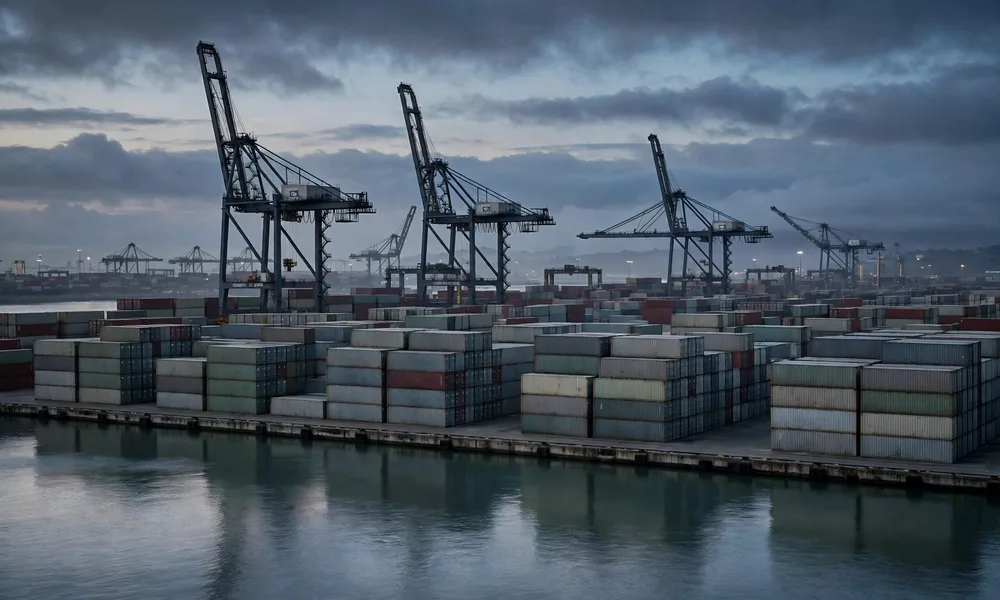
Most cocaine reaching Europe arrives by sea, hidden in shipping containers that pass through large ports. The reason is simple: a single container ship can carry thousands of containers, and only a small share can be opened and searched in detail. Traffickers hide drugs inside legal cargo and rely on the sheer volume of trade to protect them.
The sea route also matters because the drug trade is a supply chain. Cocaine is produced in one region, moved through transit countries, and sold in destination markets on other continents. The port is the point where the chain is most exposed, because the drugs must pass through a fixed, controlled place. That is why the alliance focuses on ports.
What the Alliance Will Do
The main job of the alliance is intelligence sharing. When police or customs officers in one country learn about a suspicious shipment, a vessel linked to trafficking, or a new hiding method, they can pass that information to their partners in the network quickly. Speed matters. A container ship crosses the Atlantic in about a week, and a warning that arrives too late is useless.
Coordination is the second job. Different countries have different laws, different agencies and different ways of working. The alliance gives them a shared way to plan joint checks, follow the same vessel across several ports, and act together when a shipment is found.
The third job is to target the whole supply chain. The alliance does not only look at destination ports in Europe and North America. It also looks at production and transit countries, because stopping drugs early is easier than catching them after they have crossed an ocean.
There are no quick fixes in this fight. Traffickers are wealthy, organised and quick to adapt. When one route is closed, they open another. The alliance does not promise to end drug trafficking. It promises to make the work of traffickers harder by making the work of police and customs officers easier. The same week also brought a major ruling in the United States, as the Supreme Court cleared the Big Bend border wall.
Why France Is Leading the Effort
France has a direct interest in the drug trade through its ports. Large French ports handle cargo from around the world, and France is one of the destination markets for cocaine arriving in Europe. The French government has made the fight against narcotics a public priority.
The launch also fits a wider French diplomatic push. Since late 2025, France has concluded more than 20 bilateral cooperation agreements on narcotics trafficking. The ports alliance takes that approach one step further by bringing many countries into a single network at the same time.
The timing matters too. The G7 meeting in Paris on November 9 and 10 brought together the foreign ministers of the seven countries at a moment when drug trafficking is high on the agenda in Europe. Announcing the alliance during that meeting gave it political weight.
What Happens Next
The launch is the start, not the end. A network of ports needs time to build trust between its members, agree on how information is shared, and set up the practical tools that officers will use every day.
One question is how the network will grow. It starts with 14 ports, the G7 countries, Brazil, South Korea and four international organisations. Other countries and ports may join later if the network proves useful. The drug trade changes its routes often, so the alliance will need to stay flexible and add new partners as routes shift.
The meeting in Paris also covered other major issues, and the ports alliance was one part of a wider agenda. Talks on Ukraine continued alongside the launch, with questions of territory and flexibility in focus, as covered in our report on Russia and Ukraine flexibility on territory in Abu Dhabi.
FAQs
What is the G7 ports alliance?
It is a new network of 14 major ports launched by France on November 9, 2026, to fight global drug trafficking. It links G7 countries, Brazil, South Korea, major international ports and organisations including Interpol and the United Nations Office on Drugs and Crime, so they can share intelligence and coordinate enforcement against narcotics moving by sea.
Which countries are part of the alliance?
The Group of Seven members are Britain, Canada, France, Germany, Italy, Japan and the United States. Brazil and South Korea are also part of the network, along with Interpol, the United Nations Office on Drugs and Crime, the International Maritime Organization and the World Customs Organization.
Why focus on ports to fight drug trafficking?
Most cocaine reaching Europe arrives by sea in shipping containers through large ports, and traffickers hide drugs in legal cargo. Ports are the point where the drug supply chain is most exposed, because the drugs must pass through a fixed, controlled place. Sharing intelligence between ports makes it harder for traffickers to move shipments across oceans without being spotted.
Who announced the launch?
French Foreign Minister Jean-Noel Barrot announced the launch at a press conference in Paris on November 9, 2026, during a meeting of G7 foreign ministers held in Paris on November 9 and 10.
SOURCES
Final Thoughts
The G7 ports alliance is a practical step against a global problem. It does not promise to end drug trafficking, and no single network could do that. What it does promise is better teamwork between the countries and ports that see the trade first hand. If police, customs officers and port staff share what they know, and act on it quickly, traffickers lose the gaps they have relied on for years. France has put its name behind the effort, the G7 has backed it, and the test now is whether the network turns a launch announcement into daily results at the ports.