Foenegriek: Uses, Health Benefits, Side Effects, and How to Use It
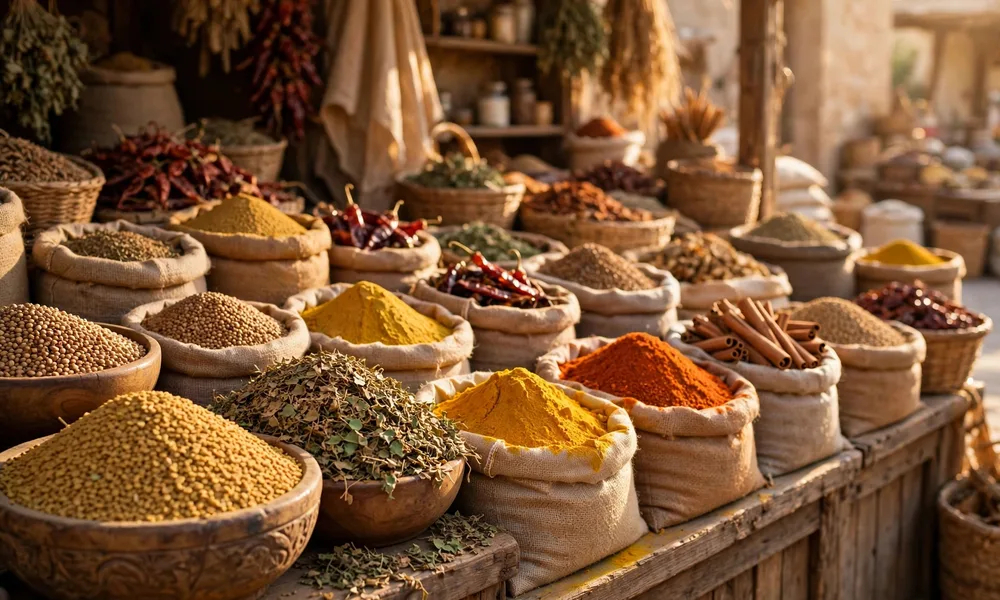
Foenegriek is not a new herb you have somehow missed. It is a scrambled spelling of fenugreek, one of the oldest spice and herb plants in the world, known in Indian cooking as methi. The mix up is easy to forgive, because the plant carries an old Latin name, Trigonella foenum-graecum, that invites spelling mistakes.
This guide explains what fenugreek is, how people use its seeds and leaves in food, what the research actually supports about its possible benefits, and what side effects and cautions matter. It is general information only and is not medical advice. Talk to your own doctor before using fenugreek as a supplement, especially in amounts larger than food.
Quick Facts
| Item | Detail |
|---|---|
| Name note | Foenegriek is a misspelling of fenugreek |
| Latin name | Trigonella foenum-graecum |
| Parts used | Seeds as a spice, leaves as a herb and vegetable |
| Common name in India | Methi for the plant and its leaves and seeds in cooking |
| Long history | Recorded on an ancient Egyptian papyrus dated to about 1500 BC, per a US health fact sheet |
| Evidence picture | Some small studies support a blood sugar effect, while proof for most other uses is limited or uncertain |
| Key caution | Avoid supplement amounts in pregnancy, and check with a doctor if you take diabetes or blood thinning medicine |
What Fenugreek Is
Fenugreek is an annual plant in the legume family, the same broad family as peas, beans, chickpeas, and peanuts. It grows slim pods holding small, hard, golden brown seeds. The seeds are the spice most people know. The fresh leaves are cooked as a green vegetable, and the dried leaves are used as a fragrant herb that gives many curries and flatbreads their warm, slightly bitter finish.
The taste is strong and distinctive. The seeds smell warm and nutty, a little like maple syrup, and taste bitter if you use too many or burn them in hot oil. A natural compound in the seeds also gives the sweat and urine of heavy users a sweet maple note, as you will see later.
The plant has been grown for a very long time around the Mediterranean, the Middle East, and Asia. A fact sheet from the United States National Center for Complementary and Integrative Health notes that the first recorded use of fenugreek is described on an ancient Egyptian papyrus dated to 1500 BC. Few kitchen spices can point to a written record that old.
In modern shops you will meet fenugreek as whole seeds, ground powder, fresh or dried leaves, sprouted seeds, and supplement forms such as capsules, extracts, and teas. Food forms and supplement forms are not the same in strength, and that difference sits behind many safety points in this guide.
Everyday Uses in Food and Around the Home
Food is the oldest and safest home for fenugreek. In Indian cooking, whole seeds are warmed briefly in oil at the start of a dish, often with cumin and mustard seeds, to flavour dals, vegetable dishes, and pickles. Ground fenugreek appears in spice blends, including many curry powders, where a small amount adds depth that is hard to name but easy to miss when it is gone.
The leaves deserve equal billing. Fresh methi leaves are cooked into potato dishes, stirred into dough for flatbreads, and added to lentil dishes. Dried leaves are crumbled over a finished curry to release their aroma. Outside India, the seeds also flavour breads, chutneys, and spice mixes across the Middle East and the Mediterranean.
A second everyday use is tea and soaked seeds. In many homes, seeds are soaked in water overnight and taken in the morning, or brewed into a simple tea, for general wellness and digestion. A traditional habit is a reason to study a plant, but it is not proof that the habit treats any condition.
Supplements are the third use, and the one that needs the most care. Capsules and extracts pack far more of the plant into a day than cooking ever would. People buy them for blood sugar, cholesterol, appetite, and milk supply while breastfeeding. The next two sections look honestly at what is known, and at the risks of stronger doses.
What the Research Says About Possible Benefits
Blood sugar is the most studied area. Fenugreek seeds are rich in soluble fibre, which forms a gel in the gut and slows how fast sugars from a meal are absorbed. The seeds also contain an unusual amino acid that researchers have studied for its effect on insulin. A few small studies have found that fenugreek may help lower blood sugar levels in people with diabetes, and health sources such as WebMD describe some evidence for a lower blood sugar reading after eating. At the same time, the national health fact sheet is careful: there is not enough high quality evidence to settle the question, and study results vary. The fair summary is promising but unproven, never a replacement for diabetes care.
Cholesterol is the second area often mentioned. Early research suggests fenugreek may lower the LDL cholesterol that doctors call the bad kind, while proof for effects on HDL cholesterol and triglycerides is lacking or mixed. That is a reason for more study, not a reason to stop any treatment a doctor has prescribed.
Milk supply while breastfeeding is the third well known use. Fenugreek teas are marketed to nursing mothers, and one study found increased milk production, but other health sources stress that it is not clear the herb truly helps, and the overall evidence is uncertain. New mothers are exactly the readers who should not experiment alone. Talk to your own doctor or midwife first, because both mother and baby are affected by the choice.
Other traditional uses include easing digestion and acid reflux, improving appetite, and applying pastes to the skin for swelling or irritation. Mainstream health sources are direct about these: there is no good evidence that fenugreek works for most of them. Interest and tradition are real, and research continues, but a careful reader should treat long benefit lists on product labels as claims, not findings.
Side Effects, Risks, and Who Should Be Careful
Used as a normal food spice, fenugreek is generally considered safe for most adults. Trouble appears mainly at supplement level doses. The most common side effects reported are digestive: gas, bloating, an upset stomach, nausea, and diarrhoea. Headache and dizziness are also reported by some users. A paste on the skin can irritate it, and allergic reactions are possible. Because fenugreek sits in the legume family, people with peanut or chickpea allergy should be especially careful and should raise it with a doctor before trying supplements.
The maple syrup smell deserves its own line because it worries people. Sweat, urine, and breast milk can take on a sweet maple odour at higher intakes. It is a known and usually harmless effect of the plant, but any new and unexplained change in a baby deserves a proper check rather than a guess, which is one more reason nursing mothers need medical guidance here.
Pregnancy is the clearest caution. In amounts greater than those found in food, fenugreek can stimulate the uterus to contract, and it has a long history of use for inducing childbirth, which is exactly why supplement amounts are to be avoided during pregnancy. Health sources advise women who are pregnant not to take fenugreek supplements. Children, and people with liver or kidney disease, are also advised not to use fenugreek supplements unless a doctor says it is safe for them.
Interactions matter too. Because fenugreek may lower blood sugar, taking it alongside diabetes medicine can push blood sugar too low if nobody is watching. It may also interact with blood thinning medicine and raise bleeding risk. The safe habit is simple and is repeated by every serious source on this plant: tell your doctor about any supplement you take, even a natural one, so they can check for side effects and interactions. Natural does not mean harmless, and this plant is a clear example.
How to Use Fenugreek in the Kitchen
Start with food, where fenugreek has earned its place over thousands of years. For a curry or dal, warm a small pinch of whole seeds in oil for a few seconds at the start of cooking, until they darken slightly and smell nutty, then continue with onion and the rest of the dish. Take them off the heat before they blacken, because burnt fenugreek turns a whole pot bitter.
Ground fenugreek is stronger than it looks. Add it in small amounts, taste, and remember that its flavour grows as the dish rests. Dried leaves are the gentle option for beginners: crumble a spoonful over a finished dish, cover it for a minute, and enjoy the warm aroma without much bitterness. Fresh leaves can be washed, chopped, and cooked like spinach into potatoes, eggs, or dough.
For a simple traditional style drink, seeds can be soaked in water overnight or simmered briefly into a tea and strained. Keep the amounts at a modest kitchen level, treat the drink as a food habit rather than a treatment, and stop if it upsets your stomach. If you are thinking about capsules or extracts for a health goal, that is no longer a kitchen decision. Talk to your own doctor first, tell them what else you take, and follow their answer rather than a label or a video.
Storage is easy. Keep seeds and powder in a sealed jar away from heat and light, and they will hold their flavour for months.
FAQs
Is foenegriek the same as fenugreek?
Yes. Foenegriek is a misspelling of fenugreek, the spice and herb with the Latin name Trigonella foenum-graecum. In Indian cooking the same plant is widely known as methi, both for its seeds and its leaves.
Does fenugreek really lower blood sugar?
Some small studies suggest it may help lower blood sugar in people with diabetes, thanks in part to its soluble fibre, but health authorities say the evidence is not yet strong enough to be sure. It must never replace prescribed diabetes care.
What are the most common side effects?
At higher than food amounts, the common ones are gas, bloating, stomach upset, nausea, and diarrhoea, plus a maple syrup smell in sweat and urine. Allergic reactions can occur, and supplement use in pregnancy is advised against.
Can I take fenugreek supplements while on other medicine?
Do not decide that alone. Fenugreek may interact with diabetes medicines and blood thinners. Talk to your own doctor, tell them every supplement you take, and follow their advice for your situation.
You may also read: Myreadignmnaga: Features, Safety, and Best Alternatives Explained
Final Thoughts
Foenegriek, properly spelled fenugreek, is a fine old plant with a proud place in the kitchen and a careful place in health research. Its seeds and leaves flavour food beautifully, its fibre and chemistry make it a serious subject of study, and its possible help with blood sugar is worth the research it is getting.
Enjoy it first as food. Respect it as something stronger than food at supplement doses, remember the pregnancy warning and the medicine interactions, and talk to your own doctor before chasing any health claim. That balance of appetite and caution is the wisest way to use this ancient spice.


