Cevurı: A Traditional Dish or a Cultural Idea? Find Out Here
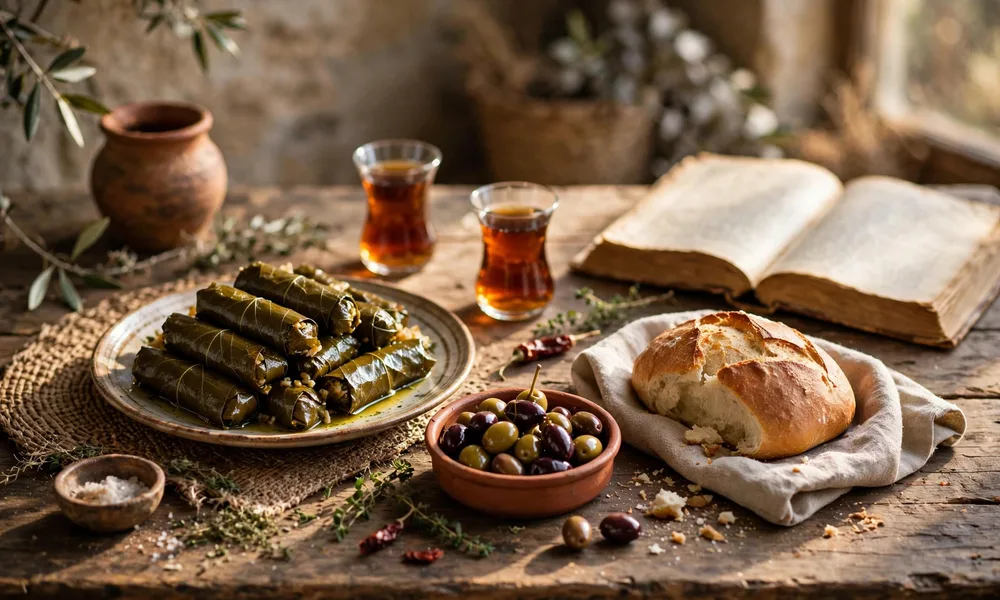
Is cevuri a traditional dish you can order, or is it an idea about language and culture that food writers have picked up by mistake? The short answer is that the strongest evidence points to language, not to the kitchen. Cevuri is best understood as a variant spelling linked to the Turkish word for translation.
That does not make the story dull. It makes it more interesting, because the food claims around this word are a perfect example of how one spelling slip can grow into full recipes online. This guide shows what the word really comes from, why so many different dishes carry its name, and which real dishes you may actually be looking for.
Quick Facts
| Item | Detail |
|---|---|
| Closest standard word | Turkish ceviri, written with special Turkish letters, meaning translation |
| Root verb | Cevirmek, meaning to turn, to translate, or to convert |
| Standard dish status | No standard dish named cevuri is confirmed in reliable Turkish food sources |
| Online dish claims | Conflicting claims name stuffed leaves, stuffed eggplant, liver kebab, and other dishes |
| Likely explanation | A spelling and copying mix up that spread across food and language blogs |
| Core cultural idea | Turning words and meanings from one language and culture into another |
Where the Word Cevuri Comes From
Turkish has a common and useful verb, cevirmek, whose basic sense is to turn something. You turn a key, you turn a page, and you turn a steering wheel. From that physical idea of turning, the word grew a second life: to turn words from one language into another, which is to say, to translate. The noun built from it, ceviri, means translation or a translated text, and a cevirmen is a translator.
Turkish also uses letters that English keyboards do not have, including a c with a small tail and a dotless i. When people type Turkish words quickly, copy them onto non Turkish keyboards, or read them through software that strips the special letters away, spellings drift. Ceviri can become ceviri in plain letters, then cevuri, ceviiri, and other near misses as each new writer copies the last one with a small error of their own.
That drift matters because dictionaries are clear about the standard word and silent about the variants. The Turkish Language Association dictionary has an entry for ceviri as translation. It has no entry establishing cevuri as a separate standard word, and no entry for it as a dish. When a form is missing from the dictionary and the standard form is right there beside it, the simple explanation is usually the right one: cevuri is a spelling variant of the translation word.
Seen this way, the answer to the title question leans strongly to one side. Cevuri is a cultural and language idea first. Its food life is real in one sense, because many people have now read about it as food, but that life began in writing about the word, not in a kitchen tradition that can be traced from cook to cook.
Why So Many Different Dishes Carry This Name
If cevuri were one real traditional dish, the recipes under its name would broadly agree, the way recipes for any known dish agree on their main ingredient and method. They do not. Pages using this name and its close variants describe stuffed grape leaves in one place, stuffed roasted eggplant in another, grilled liver kebab in a third, a citrus cured fish dish in a fourth, and a slow cooked meat and vegetable pot in a fifth. A single dish cannot honestly be all five.
The pattern tells its own story. Each of those dishes is real or close to real on its own. Stuffed leaves, stuffed eggplant, and liver kebab are all established in Turkish cooking, and citrus cured fish is famous in Latin American cooking under a similar sounding name. What happened online is that writers, working fast and copying each other, attached the same drifting word to different real dishes, and each version was then copied again as if it were settled fact.
Details that sound precise are not proof either. Some pages give exact birthplaces, exact centuries, and exact ingredient lists for cevuri, but they give no cookbook, no menu, and no Turkish source that a reader can open and check. Other pages give a different birthplace and a different century. When confident details cannot both be true, the honest move is to set them aside as unconfirmed, which is what this guide does.
None of this means the writers were describing bad food. It means the name on top of the food cannot be trusted. If a recipe under this name looks good to you, judge it as a recipe, cook it safely, and enjoy it, but know that its title is most likely a label added online rather than the name Turkish cooks have used for generations.
The Real Dishes You May Be Looking For
Many readers who search this word are really hunting for a dish they ate or saw, so it helps to name the likely candidates properly. If the dish was small rolls of grape leaves with a rice or meat filling, cooked gently and served with lemon or yogurt, you are most likely thinking of the stuffed leaf dishes found across Turkey and the eastern Mediterranean, widely known as sarma or dolma.
If the dish was a large eggplant, split and filled with seasoned minced meat, onion, tomato, and herbs, then roasted until soft, the famous Turkish names to explore are the stuffed eggplant dishes of the karniyarik and imam bayildi family. One is known for its meat filling and the other, in its classic form, for its rich onion and tomato filling cooked in olive oil.
If the dish was skewered liver grilled over fire and served hot with onion and spices, the name to look for is ciger kebabi, a well known speciality strongly linked with the city of Sanliurfa and also loved in other parts of Turkey. The grilling and turning of skewers over heat may even be part of how the turning word family became tangled with food writing in the first place, though that link is a guess and is marked here as one.
And if the dish was raw fish cured in lime or lemon juice with onion and chilli, that is ceviche, the celebrated dish of Peru and other Latin American coasts. Its name sounds close enough to add one more layer of confusion when writers work across languages. Using these proper names will get you reliable recipes from real food sources, which the mixed up name cannot promise.
Cevuri as a Cultural Idea: Turning Between Worlds
Strip away the recipe confusion and a genuinely good idea is left standing. Translation is a kind of turning. A translator turns a sentence until it faces a new reader, keeping its meaning, humour, and weight while changing almost every word. Done well, it is invisible. Done badly, it is the joke on a badly translated menu that every traveller has laughed at and learned from.
Food and translation meet in real life every day. Dish names travel badly. Ingredients have no exact match across borders. A recipe written in one culture has to be turned, not just copied, to work in another kitchen, with different peppers, different ovens, and different tastes at the table. In that loose and honest sense, every cook who adapts a foreign recipe is doing cevuri work, even if the word itself is only a variant spelling.
The word also shows how language now lives online. A form typed by learners, migrants, and hurried writers can spread faster than the dictionary form, gather stories around itself, and end up feeling like a word with centuries of history. Watching that happen with an open mind, while still checking the facts, is a good way to read the modern internet in general.
So keep both truths together. As a standard dish name, cevuri is not confirmed. As a window into how words turn, travel, and sometimes turn into myths, it is rich and real. The cultural idea is the part of this story that will still be true after the copied recipes are forgotten.
FAQs
Is cevuri a real traditional Turkish dish?
No standard dish with this exact name is confirmed in reliable Turkish food sources or dictionaries. Online recipes under the name describe several different real dishes, which is a strong sign of a naming mix up rather than one tradition.
What does the word actually mean?
It is best read as a variant of the Turkish word ceviri, meaning translation. Its root verb means to turn, to translate, and to convert, which is why the same word family covers turning a page and translating a book.
Why do some sites call it stuffed eggplant or liver kebab?
Because writers copied and expanded each other and attached the name to different real dishes. Stuffed eggplant dishes and ciger kebabi are genuine Turkish foods, but their own proper names are the ones to search for reliable recipes.
How should I use the word?
Use ceviri when you mean translation in Turkish, and use the proper dish names, such as sarma, karniyarik, or ciger kebabi, when you mean food. You can mention cevuri as the popular online spelling, while knowing where it came from.
You may also read: Foenegriek: Uses, Health Benefits, Side Effects, and How to Use It
Final Thoughts
Cevuri turns out to be a better story about language than about lunch. The evidence points to a spelling variant of the Turkish translation word that gathered recipes around itself as it spread from page to page, until it looked like a dish with a long history.
Take the useful parts with you. Search by the proper dish names when you want to cook, enjoy translation as the quiet art of turning meaning between cultures, and let this word remind you to check one good source before repeating a tasty sounding claim.


