Wollmatten: The Natural Wool Mats That Make Every Home Feel Better
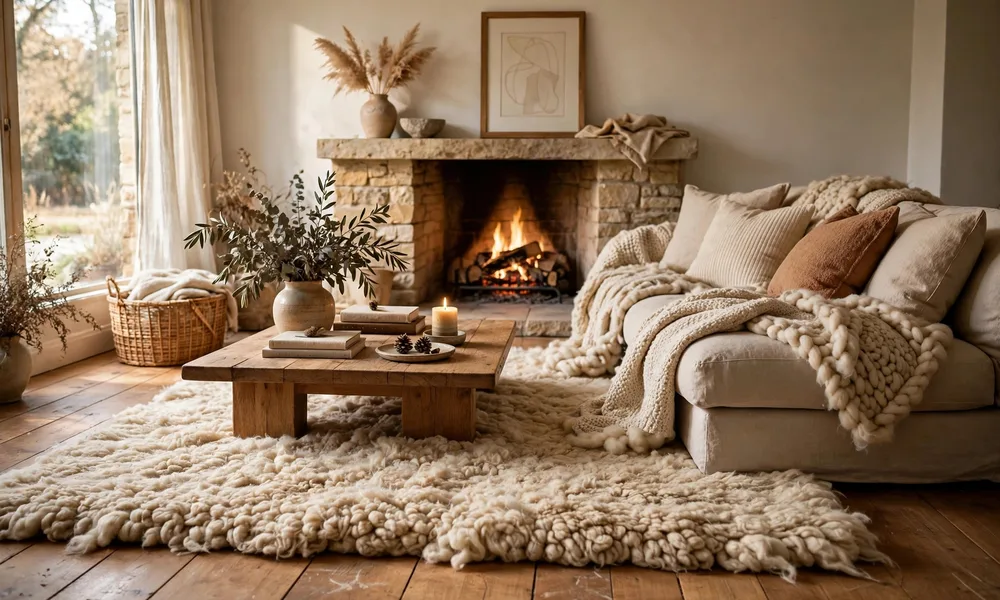
Wollmatten is a German word that simply means wool mats. It is not a single brand. It is the everyday name used in German speaking countries for mats and rugs made mainly from natural sheep wool, and the word is now searched in English as more people look for natural, long lasting home products.
These mats earn their good name honestly. Wool is warm in winter, comfortable in summer, quiet underfoot, and tough enough for daily use. This guide explains what Wollmatten are, how they are made, where they work best in the home, and what to check before you buy one.
Quick Facts
| Fact | Details |
|---|---|
| Meaning | German for wool mats: Woll means wool, Matten means mats |
| Type | A general product term, not a brand name |
| Main material | Natural sheep wool, sometimes in blends or with a backing |
| Common forms | Felt wool mats, woven wool rugs, and long wool runners |
| Main uses | Floor comfort, warmth, sound absorption, and decoration |
| Other uses | Sheep wool insulation mats and garden or soil protection mats |
| Key strengths | Natural insulation, moisture buffering, durability, and a renewable fiber |
| Basic care | Regular vacuuming and spot cleaning |
What the Word Really Means
The word breaks into two simple parts. Woll comes from Wolle, the German word for wool, and Matten is the plural of Matte, which means a mat. Put together, Wollmatten means wool mats. In Germany, Austria, and Switzerland, the term is used the same plain way that English speakers use the words wool rugs or wool mats.
Because it is a general term, products sold under it vary a lot. One seller may offer a thick felt mat for an entryway. Another may offer a woven rug for a living room. A third may sell sheep wool mats made for building insulation or for covering garden soil. The name alone does not tell you the quality, so the details of each product matter.
That is also why there is no single official Wollmatten maker to point to. Many makers, from small workshops to larger textile firms, produce wool mats. When you shop, you are judging the individual product and seller, not a single famous brand.
How Wool Mats Are Made
Most wool mats begin with sheep wool that is cleaned and prepared. Wool is a renewable fiber, since sheep grow a new fleece each year, and it can break down naturally at the end of its life instead of sitting in the ground like plastic based fibers.
From there, makers use one of two main methods. In felting, moisture, heat, and pressure press the fibers together into a dense, firm mat with no weaving at all. Felt mats are strong, flat, and good for busy areas. In weaving, the wool is worked on a loom into a rug with a pattern or texture, which is the common choice for living rooms and bedrooms.
Some mats are left in natural undyed shades of white, grey, and brown. Others are dyed for modern interiors. Some include a backing of felt, fabric, or rubber to keep the mat in place, and blended mats may mix wool with other fibers to change the price or the feel. A good product listing will state the wool content clearly, and that number is one of the first things to check.
Why Wool Feels So Good at Home
Wool fibers have a natural wave, often called crimp. That wave traps tiny pockets of air between the fibers, and trapped air is a natural insulator. This is why a wool mat feels warm on a cold floor in winter, and why it does not feel hot and sticky in summer the way many synthetic mats do.
Wool also handles moisture in a special way. It can absorb a good amount of water vapor from the air and from damp shoes, and then release it again as the room dries. This buffering helps a hallway or entryway feel fresher and helps protect the floor below from sitting damp.
Sound is another quiet benefit. A wool mat softens footsteps and takes the echo out of hard floors, which is why these mats are popular in apartments, offices, and calm spaces such as reading corners and yoga areas. Add the natural spring of the fibers, which helps a mat keep its shape under daily use, and you have a floor covering that is both kind and practical.
The Main Types and Where to Use Them
Felt wool mats are the workhorses of the family. They are dense and firm, so they suit entryways, workshops, and children rooms, and thin versions are often used as exercise or yoga mats by people who prefer natural materials.
Woven wool rugs are the decorative choice. They bring pattern, color, and softness to living rooms and bedrooms, and a good woven rug can anchor a whole room. Wool runners, the long narrow form, are made for hallways and stairs, where they protect the busiest path in the house and cut down noise at the same time.
Beyond the home floor, the same word covers sheep wool insulation mats used inside walls and roofs in natural building projects, and wool mats laid on garden soil to hold moisture, protect young plants, and slowly break down into the ground. If you are shopping, first decide which family you need, floor comfort or building and garden use, because the products are made very differently.
Buying and Caring for Wool Mats
Start with the wool content. A high wool content gives you the warmth, moisture handling, and durability that made you choose wool in the first place. Then check the thickness and density for the job: thick and dense for hallways and doors, softer and lighter for bedrooms and quiet corners.
Ask about the backing and the edges, since these decide how the mat lies and how long it lasts. For homes with underfloor heating or for building insulation use, check the seller guidance for that specific product instead of guessing, because ratings and limits differ by maker and no single rule covers every mat sold under this general name.
Care is simple. Vacuum regularly without a harsh rotating brush if the maker advises it, clean spots quickly with a damp cloth and mild wool safe cleaner, and air the mat now and then. Wool naturally resists dirt and odor better than many fibers, so deep cleaning is needed only rarely. With that basic care, a good wool mat can serve a home for many years.
Wool Mats Compared With Synthetic Mats
Synthetic mats are often cheaper at first, and they come in bright colors that are easy to match with modern furniture. For a short term or rental space, that can be enough. The trade off appears over time, since many synthetic fibers flatten quickly, hold static, and can feel cold in winter and warm in summer.
Wool mats usually cost more at the start, but they tend to earn that price back through longer service. The fibers spring back instead of staying flat, the surface handles daily dirt gracefully, and the comfort stays the same season after season. For a home you plan to stay in, that long and steady comfort is the main reason buyers keep choosing wool.
FAQs
What does Wollmatten mean in English?
It means wool mats. Woll comes from the German word for wool and Matten means mats. It is a general term for mats and rugs made mainly from sheep wool, not the name of one brand.
Are Wollmatten good for cold floors?
Yes. The natural wave of wool fibers traps air, and that trapped air works as insulation. A wool mat makes a cold floor feel warmer and more comfortable, especially in hallways, bedrooms, and entryways.
How do I clean a wool mat?
Vacuum it regularly and wipe spots with a damp cloth and a mild cleaner made for wool. Avoid soaking the mat and avoid strong chemicals. Always follow the care note from the maker of your specific mat.
Are wool mats a good choice for the environment?
Wool is a renewable fiber that grows back on sheep each year, and real wool can break down naturally at the end of its life. Mats with a high wool content and little synthetic backing are the closest to that natural ideal, so check the content list before you buy.
You may also read: Who Is Jacelyn Reeves? Everything to Know About Scott Eastwood’s Mom
Final Thoughts
Wollmatten are popular for a simple reason: wool is very good at the jobs a mat has to do. It warms cold floors, softens noise, handles everyday moisture, and wears well for years, all while coming from a natural and renewable fiber.
Just remember that the word is a category, not a brand. Judge each mat on its wool content, its making, and its fit for the room you have in mind. Choose well, care for it simply, and a wool mat will quietly make your home feel better every single day.


