United Airlines Flight UA82 Emergency: What Really Happened During the Flight?
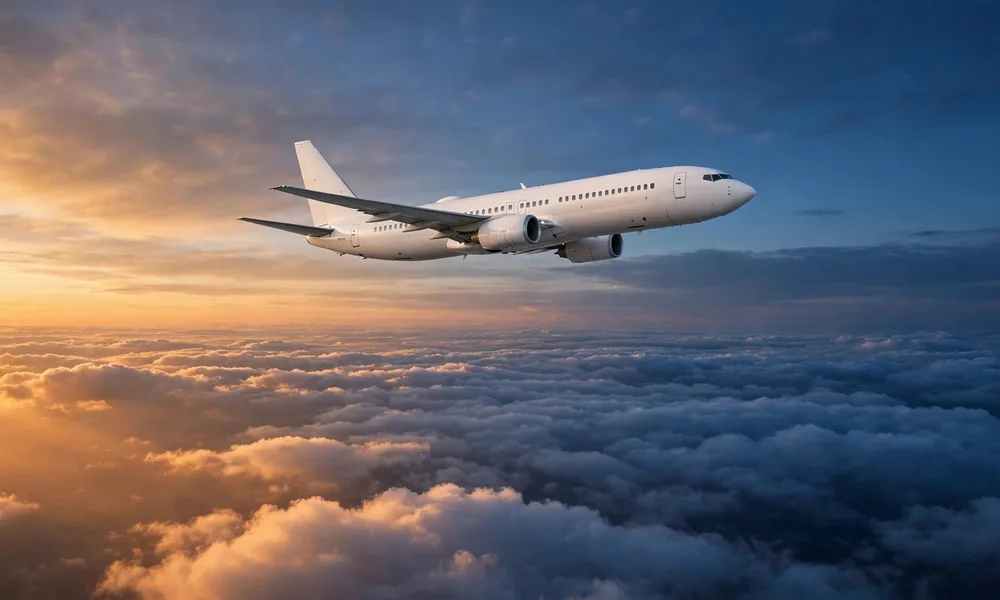
The united airlines flight ua82 emergency is one of those flight stories that sounds frightening in a headline but ends in the best possible way: everyone safe, on the ground, and unharmed. In July 2025, a United Airlines Boeing 787-9 Dreamliner that had just left Newark for Delhi turned back and landed at the same airport after a fault in a system most passengers have never heard of.
This article explains, in simple words, what really happened during that flight, why the crew treated a cooling fault as an emergency, what happened to the passengers afterwards, and what the incident does and does not say about the safety of long haul flying.
| Flight | United Airlines UA82, Newark (EWR) to Delhi (DEL) |
|---|---|
| Date | July 7, 2025, evening local time in Newark (reported as July 8 in some time zones) |
| Aircraft | Boeing 787-9 Dreamliner, registration N23983 |
| Problem | Failure in the electronics cooling system |
| Action Taken | Crew declared an emergency and returned to Newark |
| Landing | Safe landing back at Newark, reported at about 11:15 p.m. local time |
| Injuries | None reported among passengers and crew |
| After Landing | Aircraft taken out of service for inspection; passengers given meal vouchers, hotel help and rebooking |
A Normal Start to a Very Long Flight
United Airlines runs a regular long haul service between Newark Liberty International Airport in New Jersey and Indira Gandhi International Airport in Delhi, India. Flight UA82 is part of that Newark to Delhi pattern, flown with the Boeing 787-9 Dreamliner, a wide body jet built for very long routes, known for fuel efficiency and newer cabin systems.
On the evening of July 7, 2025, the flight departed Newark at about 9:30 p.m. local time, according to flight tracking based reports. On board were passengers settling in for an overnight journey of many hours across the Atlantic and on towards India, along with the flight and cabin crew. Reports later put the total number of people on board at around 250, though exact counts vary slightly between reports.
For roughly the first three quarters of an hour, there was nothing unusual for passengers to notice. The aircraft climbed and reached a cruising altitude of about 33,000 feet, at a ground speed of around 500 knots, and the flight seemed to be following its normal path to Delhi.
The Fault: Why a Cooling System Matters So Much
About 45 minutes into the flight, the crew detected a failure in the aircraft’s electronics cooling system. To a passenger, the word cooling may sound like air conditioning for the cabin. It is not. This system keeps the avionics cool. Avionics are the electronic brains of a modern aircraft: the computers and equipment behind navigation, communication, flight displays and many flight control functions.
Electronics produce heat, and in a sealed equipment bay that heat has nowhere to go without a working cooling system. If avionics overheat, parts can behave in odd ways or shut down. On a short hop to a nearby airport that is already serious. On a long haul flight that is about to spend many hours over the ocean, far from a suitable airport, it is a risk no crew will accept.
Maintenance data linked to the flight, shared in aviation reports, carried a short system message referring to electronic cooling operations on the aircraft, registered as N23983. In plain English, the aeroplane itself was telling the crew and the ground team that this system had a fault. The crew now had a clear choice: continue towards Delhi and hope the fault stayed contained, or turn back while Newark was still close. They chose the safe option, as their training requires.
Declaring an Emergency and Turning Back
The crew declared an emergency and began the return to Newark. Declaring an emergency does not mean a crash is expected. It is a formal step that gives the flight priority from air traffic control, clears its path, and makes sure fire and rescue services are ready on the ground if they are needed. Reports on this incident describe the emergency being declared under standard procedure, including the use of the general emergency transponder code that alerts controllers to a serious problem.
For passengers, this is often the most worrying part of such an event: an announcement, a change in the feel of the flight as the aircraft turns, and the strange sense of flying back towards the lights of the airport they just left. It helps to know that a return like this is a planned, practiced procedure. The pilots of a Dreamliner train for system failures in simulators again and again, and a return to the departure airport, with its long runways and full maintenance base, is usually the safest place to take a sick aircraft.
The aircraft landed safely back at Newark at about 11:15 p.m. local time, roughly an hour and three quarters after it had taken off, and passengers and crew left the aircraft at Terminal C. No injuries were reported. That single fact is the headline that matters most: the system for handling a fault worked exactly as it was meant to.
What Happened to the Passengers Afterwards
A safe landing is not the end of the story for the people on board. A cancelled long haul flight means missed connections in India, missed family events, missed work, and a night that suddenly has no plan. Reports on the UA82 return say United provided stranded passengers with meal vouchers, hotel accommodation and rebooking on later flights to Delhi. That is the normal pattern for a major airline after a technical cancellation, and it was reported in this case by several outlets.
The aircraft itself did not simply fly the next service. It was withdrawn from service and given a thorough inspection by maintenance teams, according to reports, with the Federal Aviation Administration notified and the cause of the cooling fault to be checked. An aircraft with an avionics cooling fault does not return to long haul work until engineers have found the problem, fixed it and tested the system. Passengers were therefore moved to other aircraft and other schedules, not back onto the same jet.
It is also worth clearing up a point of confusion in early social posts. Despite dramatic wording in some headlines, this was not a crash, not a fire, and not a loss of control. No one was hurt, the landing was controlled, and the aircraft taxied in as an aeroplane with a technical fault, not as a wreck. The drama was in the decision, not in the landing.
What This Incident Says About Flying Safety
Stories like the united airlines flight ua82 emergency often raise a fair question: should travellers worry about the Boeing 787 or about long haul flights in general? The honest answer starts with what this event actually shows. A fault was detected early by the aircraft’s own monitoring. The crew followed procedure instead of pressing on. Air traffic control gave the flight priority. The aircraft landed safely at a major hub with full support. Every layer of the safety system did its job.
Aviation reports also noted that United had other 787 technical returns in 2025, on different routes and for different reasons, and commentators have debated what that pattern means. A single cooling fault on one flight does not prove a fleet wide problem, and this article will not claim one. What can be said is that technical returns are a known, if uncommon, part of airline operations, and that a return is a sign of caution, not of failure. The dangerous choice would have been to continue over the ocean with overheating avionics. The crew made the opposite choice.
For passengers, the practical lessons are simple. Build slack into tight connections on very long trips when you can. Keep the airline app on your phone so rebooking messages reach you fast. Keep medicine, chargers and one change of clothes in your cabin bag, so an unplanned hotel night is an inconvenience rather than a crisis. None of this is special to UA82. It is just good long haul practice, and this flight is a neat example of why it helps.
You may also read: MathPlayZone: A Fun Way to Learn Math Through Games
FAQs
What happened on United Airlines Flight UA82?
On July 7, 2025, UA82 left Newark for Delhi on a Boeing 787-9. About 45 minutes into the flight the crew found a failure in the electronics cooling system that keeps the avionics cool. They declared an emergency, returned to Newark and landed safely at about 11:15 p.m. local time. No one was injured.
Why is an electronics cooling failure treated as an emergency?
Avionics run navigation, communication and many flight systems. Without cooling, they can overheat and fail. On a long flight over the ocean, far from a suitable airport, that risk is unacceptable, so crews return early while a safe airport is still close.
Was anyone hurt in the UA82 emergency?
No. All reports on the incident state that passengers and crew were unharmed. Passengers left the aircraft normally at Newark Terminal C and were given meal vouchers, hotel help and rebooking by the airline.
Did the same aircraft fly to Delhi later that night?
No. Reports say the Boeing 787-9, registration N23983, was taken out of service for inspection after the return. Passengers were rebooked onto other flights rather than being put back on the same aircraft.
Final Thoughts
The full story of the united airlines flight ua82 emergency is less dramatic, and more reassuring, than the word emergency suggests. A hidden system failed. The aircraft reported it, the crew believed the warning, and they brought a quarter of a thousand people safely back to the airport they had just left, less than two hours after departure.
Flights like this rarely make the history books, and that is the point. Good aviation safety is mostly quiet decisions made early, before a fault can grow into a danger. UA82 in July 2025 is a clean example of that idea in action.


