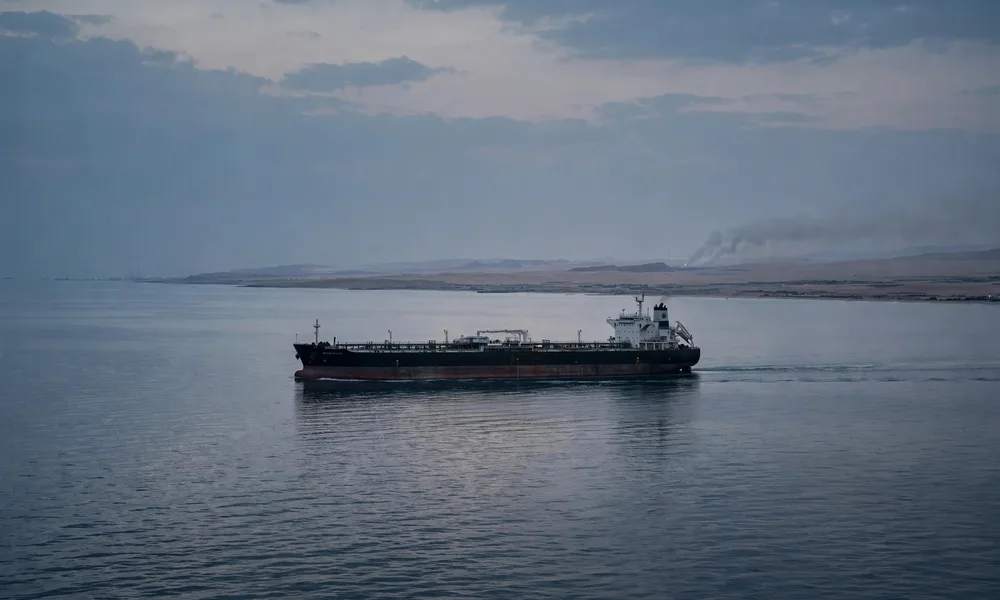
A tanker was struck by two unidentified projectiles about 50 nautical miles north of Madinat ash Shamal, Qatar, in the Persian Gulf. The United Kingdom Maritime Trade Operations centre, known as UKMTO, reported the attack in Warning 196-26 and placed it at 11:20 p.m. UTC on Wednesday, November 4, 2026. The vessel has not been named, and its flag, cargo, owner, crew status, damage level and any environmental impact remain unconfirmed. No group has claimed responsibility.
Separately, Iran has claimed that five tankers and a tugboat caught fire in the Strait of Hormuz after striking mines. That claim has no independent confirmation so far, and no vessel names, flags or casualty details have been given. The Qatar incident is separate from the Hormuz fires and sits about 500 km west of Hormuz.
Quick Facts
| Detail | What we know |
|---|---|
| Incident near Qatar | Tanker struck by two unidentified projectiles about 50 nautical miles north of Madinat ash Shamal, Qatar |
| Time | 11:20 p.m. UTC, Wednesday, November 4, 2026, UKMTO Warning 196-26 |
| Vessel details | Name, flag, cargo and owner not identified |
| Crew and damage | Crew status, damage and environmental impact unconfirmed |
| Responsibility | No group had claimed responsibility |
| Iran claim | Five tankers and a tugboat caught fire in the Strait of Hormuz after striking mines, Iran claims |
| Confirmation | No independent confirmation, no vessel names, flags or casualty details given |
| Location gap | Qatar incident is about 500 km west of the Strait of Hormuz |
| Oil markets | Brent rose Thursday after falling more than 8 percent Wednesday, WTI had dropped to about 88.12 dollars |
| Wider toll | More than 120 commercial ships hit in the region since the US-Israel war on Iran began in February, per IMO and UKMTO data |
What UKMTO Reported About the Qatar Incident
The report came from UKMTO, the centre that shares maritime security warnings with commercial shipping. Its warning gives a clear time and a clear position, but it leaves out almost everything else readers would want to know. The tanker was struck by two unidentified projectiles. The report does not say what kind of projectiles they were, where they came from, or who fired them. It does not name the ship, and it does not say which flag it sailed under, what it was carrying, or who owned it.
That gap matters. Without a name or a flag, other shipping sources cannot yet match the incident to a known vessel or voyage. Without cargo details, it is not possible to say whether the ship was carrying crude oil or another cargo. The crew status was unconfirmed, so there was no public confirmation that the crew was safe or that anyone was hurt. Damage and any environmental impact were also unconfirmed. UKMTO warnings are short by design. They are meant to alert ships quickly, not to give a full investigation. A fuller picture usually comes later, when the ship reaches a port or the owner speaks. Until then, the honest position is simple. A tanker was hit north of Qatar on the night of November 4, and the rest is still unknown.
How the Qatar Incident Differs From the Strait of Hormuz Fires
The Qatar incident and the Strait of Hormuz fires are two separate reports, and it helps to keep them apart. The Qatar incident was reported by UKMTO, with a time, a position, and a description of two projectiles. The Hormuz fires were reported by Iran, with a claim that ships struck mines. The two reports come from different sources, describe different causes, and sit in different places. The distance between them is about 500 km. A ship near northern Qatar is not in the Strait of Hormuz, and a ship in the Strait of Hormuz is not near northern Qatar.
The reported cause is also different. In the Qatar case, the report speaks of projectiles. In the Hormuz case, the Iranian claim speaks of mines. A projectile strike and a mine strike are different kinds of events, with different signs and different ways of checking what happened. Our earlier report covered the first Iranian claim about two tankers and a tugboat on fire in the Strait of Hormuz. You can read that earlier report here: Iran says two tankers and a tugboat caught fire in the Strait of Hormuz. This new article is a follow-up. It adds the Qatar incident and the later claim that the total had risen to five tankers. It does not repeat the earlier Hormuz report as if it were new.
What Iran Has Claimed About Five Tankers and a Tugboat
On Thursday, November 5, the Islamic Revolutionary Guard Corps, known as the IRGC, said that two oil tankers and a tugboat caught fire in the Strait of Hormuz after striking mines while using routes Iran calls unauthorised. According to that account, one large tanker hit a mine south of the strait, a supertanker caught fire while leaving the eastern end, and a tugboat that approached it also caught fire. That was the claim covered in our earlier report.
Later, the Iranian army said that three more tankers had struck naval mines and caught fire in waters east of the strait. If that later claim is added to the earlier IRGC claim, the total in the Iranian accounts reaches five tankers and a tugboat on fire. That is the figure now being used in headlines. It is important to be clear about how that figure was built. It is not one single statement about five ships at one time. It is an earlier claim about two tankers and a tugboat, plus a later claim about three more tankers. The day before, on November 4, the IRGC had claimed that four tankers were destroyed after hitting mines. The changing numbers do not prove that any one claim is false, but they do show why outside confirmation matters. So far, there has been no independent confirmation, and no vessel names, flags or casualty details were given.
Why Confirmation Matters and What Remains Unknown
Shipping incidents in the Gulf are often reported in pieces. A warning gives a position. A state media report gives a claim. A market moves on a headline. A fuller account comes later, or it never comes at all. That pattern makes careful reading more important than fast reading. The Qatar incident has a named source in UKMTO and a clear time and position, but it still lacks a vessel name, a flag, a cargo, an owner, a crew update, a damage report, and an environmental update. The Hormuz claims have a named source in Iran, but they lack vessel names, flags, casualty details, and any independent check.
No group had claimed responsibility for the Qatar incident. That fact is worth stating plainly. A lack of a claim does not point to any one side. It leaves the question open. It also means that any post that names a culprit for the Qatar strike without a source is adding a guess, not a fact. The same care applies to the Hormuz claims. A claim from a state military force is a real statement, and it should be reported. Reporting a claim is not the same as confirming it. The claim that five tankers and a tugboat caught fire is an Iranian claim until vessel names, images, tracking data, or statements from owners support it. Data from the International Maritime Organization and UKMTO says that more than 120 commercial ships have been hit in the region since the US-Israel war on Iran began in February. That figure gives context, but it does not prove who was behind any one incident.
Oil Markets and the Wider Shipping Picture
Oil markets reacted fast to the news. Brent crude rose on Thursday after falling more than 8 percent on Wednesday. WTI had dropped to about 88.12 dollars. The swing shows how quickly traders respond to a headline about tankers and the Strait of Hormuz. The strait is a key route for oil, so any report of fires or mine strikes there can move prices even before the facts are confirmed. A sharp fall one day and a rise the next day also shows how uncertain the market is. Traders are reacting to risk and to headlines, not to a settled account of what happened to each ship.
For ship owners and crews, the market move is only one part of the picture. The more direct question is safety. A projectile strike north of Qatar and claims of mine strikes near Hormuz both raise the same practical concerns about which routes are safe and what warnings are in force. A single warning does not close a sea route, but a series of warnings can change how owners plan voyages. Other transport disruption this week shows how quickly a security scare can spread. In Europe, bomb threats led to 25 flights being diverted, as covered here: Europe bomb threats saw 25 flights diverted. For now, the oil price move tells us that markets are nervous, not that the full story is known.
Where exactly was the tanker struck north of Qatar?
UKMTO said the tanker was struck about 50 nautical miles, about 93 km, north of Madinat ash Shamal, Qatar, in the Persian Gulf, at 11:20 p.m. UTC on Wednesday, November 4, 2026.
Did any group claim responsibility for the Qatar tanker strike?
No. No group had claimed responsibility for the Qatar incident in the reports available so far. The vessel name, flag, cargo and owner were also not identified.
Are five tankers confirmed to be on fire in the Strait of Hormuz?
No. The figure of five tankers and a tugboat comes from Iranian claims, with no independent confirmation and no vessel names, flags or casualty details given.
Did oil prices rise after the reports?
Yes, in part. Brent crude rose on Thursday after falling more than 8 percent on Wednesday. WTI had dropped to about 88.12 dollars.
Sources
- OilPrice: Iran Reports More Tanker Fires in Strait of Hormuz
- Malaysia Brief: Iran says five tankers and a tugboat caught fire in Strait of Hormuz
- The Good Morning: Report on tanker incidents and Hormuz claims
Final Thoughts
This story has two clear parts, and they should not be blurred. A tanker was struck by two projectiles north of Qatar, and UKMTO gave a time and a position but no vessel name and no crew or damage update. Iran claims that five tankers and a tugboat caught fire in the Strait of Hormuz after striking mines, but that claim has no independent confirmation. The next useful facts will be simple ones: a vessel name, a flag, a crew update, and any independent check on the Hormuz claims. Until those facts arrive, the honest summary stays short. One tanker hit near Qatar. Five tankers claimed on fire near Hormuz.