What Is Simpcitu? The Simple Life Idea Everyone Is Talking About in 2026
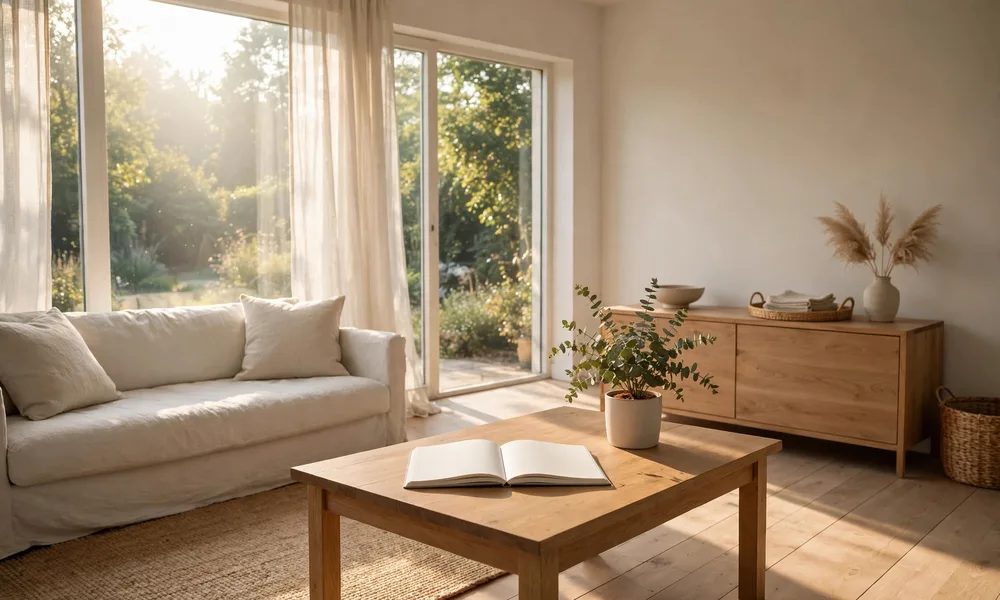
Simpcitu is a playful modern word for a very old idea: living simply on purpose. Writers who use the term describe it as a way to clear clutter from your home, your schedule and your mind, so that more time and energy go to the things that truly matter to you.
In 2026 the word keeps appearing in lifestyle blogs and social posts, sometimes as a pure life philosophy and sometimes, in a different set of posts, as a name for smart and simple technology. Those two uses do not fully match, and there is no single official definition. This guide explains the main lifestyle meaning in clear terms, notes the other use honestly, and shows how people put the idea into daily practice.
Quick Facts
| Detail | Information |
|---|---|
| What simpcitu means in most lifestyle writing | A modern spin on simplicity and intentional living |
| Word link | Presented by bloggers as a variation of the word simplicity – the exact origin is unconfirmed |
| Core ideas | Intentional choices, less clutter, mindfulness, quality over quantity, sustainability |
| Official founder or organisation | None verified – no single founder or body defines the term |
| Second use found online | Some tech blogs use simpcitu for simple smart living systems – this use is separate and unconfirmed as a real product |
| How people start | Small steps such as decluttering one space, simplifying a routine or limiting screen time |
A Simple Word for Intentional Living
Most lifestyle writers treat simpcitu as simplicity with a friendly, modern name. The point is not to own almost nothing, and it is not about poverty or strict rules. The point is to remove excess that adds stress but adds no value, and to keep what supports a calm and useful life.
That excess can take many forms. It can be physical, such as drawers full of items you never use. It can be digital, such as endless notifications, unread emails and feeds that leave you tired. It can be social and emotional, such as commitments you accepted out of habit and worries you replay without solving anything. Simpcitu, as described across many blogs, asks you to look at all three kinds with the same question: does this add real value to my life?
Writers often connect the idea to the Latin root simplicitas, meaning simplicity, and describe simpcitu as a fresh spelling for a new audience. That word history is repeated often online, but it has not been verified from a formal language source, so it is best read as a popular explanation rather than a proven origin. What is clear is the intent behind the word. It is meant to feel lighter and more personal than a strict movement name.
Because no organisation owns the term, definitions vary a little from writer to writer. One blog may stress home decluttering. Another may stress mental clarity and rest. A third may stress money or work habits. The shared centre is consistent enough to be useful: choose less, but choose it well, and let your choices match your values.
The Core Principles Behind Simpcitu
The first principle is intentionality. Instead of buying, accepting or doing things by habit or pressure, you pause and decide with purpose. A purchase, a plan or a new app has to earn its place. This one habit, repeated daily, quietly changes a home and a calendar.
The second principle is quality over quantity. In relationships, that can mean a few close connections cared for well, rather than a wide circle kept up in a rush. In belongings, it can mean fewer items that work well and last. In work, it can mean one clear priority done properly rather than ten tasks half done.
The third principle is mindfulness. Simpcitu writing often suggests short, plain practices: a few deep breaths, a morning that starts without a screen, full attention in a conversation with the phone put away. None of this needs special equipment. The aim is presence, being where you are instead of split across five demands at once.
The fourth principle is clear and kind communication. Saying what you mean, without extra drama or guessing games, removes a surprising amount of daily friction. So does saying no, politely and early, to requests that would overload a week. Simpcitu treats an honest no as a form of care for everyone involved.
The fifth principle is sustainability. Buying less, reusing more, choosing reusable bags and bottles, wasting less food and supporting careful local makers all appear in simpcitu guides. The logic is simple. A life with less excess usually uses fewer resources, so what calms a home can also be kinder to the wider world.
How Simpcitu Looks in Daily Life
At home, the practice usually starts small. Declutter one drawer a day. Build a simple wardrobe of pieces that mix well. Keep clear surfaces in the room where you rest. Small wins matter because they are visible, and visible progress makes the next step easier. A full house reset in one weekend often ends in exhaustion and a quick return to old habits.
With technology, simpcitu does not mean rejecting devices. It means making devices serve you. Common steps in guides include curating social feeds, unsubscribing from emails you never read, closing unused tabs and apps, setting screen limits, and keeping the workspace clean. Some writers report making dozens of small choices all day long, and argue that fewer, clearer digital defaults reduce that tired feeling by the afternoon. The exact numbers vary by source and are not needed for the point to hold: less digital noise usually means better focus.
At work or school, the same thinking becomes a clean desk, a short task list, blocked time for one job at a time, and breaks planned on purpose. Rest is treated as part of a good system, not as a reward after collapse. A short walk, a read, or ten quiet minutes can protect the quality of the hours that follow.
Simpcitu, Minimalism and the Tech Use of the Word
People often ask how simpcitu differs from minimalism. The comparison that appears most often in blogs is useful. Minimalism is usually described as focusing first on physical belongings and owning less. Simpcitu is described as wider, covering mental and emotional clarity as much as objects, with a goal stated as living better rather than simply owning less. In feel, minimalism is often presented as sparse, while simpcitu is presented as peaceful and warm. These are general descriptions from lifestyle writing, not formal definitions, but they explain why some readers who found minimalism too strict prefer the simpcitu framing.
There is also a second, quite different use of the word online. A separate group of tech blogs describes simpcitu as a smart living concept that links homes, workplaces and even city systems through connected devices, data and automation, with principles such as automation, efficiency and personal settings. No verified product, company or platform by that name was confirmed in research for this article, and those posts do not match the lifestyle sources in detail. If you meet the word in a tech context, read it as a writers concept for simple, connected living, not as proof of a specific system you can buy.
This double use is worth knowing because search results mix the two freely. A reader looking for calm living advice may land on automation claims, and a reader looking for a platform may land on decluttering tips. Checking which meaning a page is using, and whether it names any verifiable source, will save confusion.
What both uses share is a dislike of needless complexity. Whether the subject is a home, a phone or a city system, the promise is the same: fewer layers, clearer choices, and tools that work quietly in the background instead of demanding constant attention.
Common Misunderstandings and How to Start
One misunderstanding is that a simple life must be boring. Writers pushing back on this argue the opposite. Removing clutter creates time and attention, and time and attention are what hobbies, learning and good company need. Simpcitu aims at a fuller life with fewer distractions, not an emptier life.
Another misunderstanding is that simpcitu is only for people with no family or career demands. The guides are mostly written for busy people. Their methods are deliberately small: one drawer, one clear priority, five quiet minutes, one honest no. A method that only works on a retreat would help very few readers, and the writers know it.
A third misunderstanding is that you must do it perfectly. The repeated advice is that progress beats perfection. A simpler life is built by returning to the same small choices, not by one dramatic clear out followed by guilt when normal life returns.
If you want to try it, start where friction is highest. If mornings feel chaotic, simplify the morning. If your phone steals evenings, change the evening defaults first. If one room stresses you every time you enter it, begin with that room. Let one calm area show you what the practice feels like, then expand slowly and in your own order.
FAQs
Is simpcitu an official movement or brand?
No official movement or brand by that name was verified in research for this article. It is a popular online term used by many independent writers, mostly for a simple and intentional way of living. Definitions vary because no single source controls the word.
How is simpcitu different from minimalism?
Blogs usually describe minimalism as centred on owning fewer physical things, while simpcitu is described as wider, covering mental clarity, time, digital habits and relationships as well. The goal is often stated as living better and calmer, not only owning less.
Do I need to buy anything to practise simpcitu?
No. The common starting steps cost nothing: declutter a small space, simplify a routine, limit notifications, plan rest and choose one priority at a time. Spending money on special products is not part of the core idea.
Why do some sites call simpcitu a technology platform?
A separate set of tech blogs uses the word for simple, connected smart living systems. No specific verified platform by that name was confirmed for this article, so treat that use as a concept description and check any product claim on its own official source before trusting it.
You may also read: Lufanest: The Smart Idea That Could Change Technology Forever
Final Thoughts
Simpcitu is popular in 2026 because the problem it names is familiar: too much clutter, too much noise and too little calm attention for the people and work that matter. Its answer is not dramatic. Decide on purpose, keep what adds value, clear what does not, and protect rest and focus as real parts of a good life.
Read the term with a little care, since no official definition exists and some sites use it for technology concepts instead. But the lifestyle idea at its centre is clear and practical enough to test in a single week. Start with one drawer, one quieter morning or one honest no, and notice the difference. For most people, that small proof is worth more than any definition.


