Pyntekvister: Meaning, Origin, Decorating Tips, and Why It Is So Popular
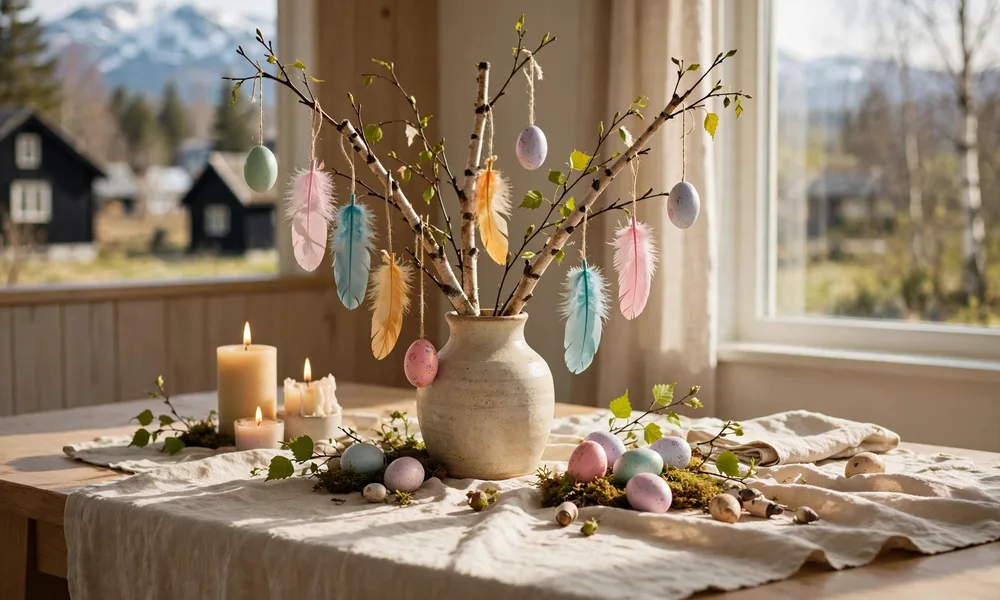
Pyntekvister is a Norwegian word for decorative twigs and branches brought indoors to dress a home. It sounds fancy, yet the idea is as simple as it gets. Take a few clean branches, place them with care, and let their natural shape do the work.
What makes pyntekvister more than a bunch of sticks is the tradition and meaning behind them. In Norway and across Scandinavia, decorated branches mark the seasons, brighten long winters, and turn Easter and Christmas tables into something warm and personal. This guide covers the meaning, the origin, and the decorating tips that explain why the trend keeps growing far beyond Norway.
Quick Facts
| Item | Detail |
|---|---|
| Word parts | From Norwegian pynte, to decorate or adorn, and kvister, twigs or small branches |
| Simple meaning | Decorative twigs or ornamental branches |
| Home tradition | Norway and wider Scandinavia |
| Classic Easter form | Birch twigs with coloured feathers and painted eggs, linked to the paskeris and paskekvist customs |
| Popular branch types | Birch, willow, and other clean local branches, sometimes with buds or blossom |
| Design ideas linked to it | Simplicity, balance, and a calm natural feel at home, often tied to hygge and lagom in modern writing |
| Cost | Can be free if you gather fallen branches where it is allowed, or low cost from craft and home shops |
The Meaning of the Word, Part by Part
The word breaks down neatly. Pynte means to decorate, to adorn, or to make something look nice for an occasion. Kvister is the plural of kvist, a twig or small branch. Put together, pyntekvister simply means twigs used for decoration. Norwegian speakers will also meet close cousins of the idea in words for Easter twigs, such as paskekvist for a decorated Easter twig and paskeris for a bunch of birch twigs dressed for Easter.
That plain meaning is part of the charm. There is no hidden brand and no special product you must buy. A pyntekvist can be a single birch branch in a tall bottle, a bundle of willow with paper eggs at Easter, or a painted branch with small lights in winter. If a twig has been chosen and arranged to decorate, it fits the word.
Modern decor writing sometimes loads the word with extra meanings, such as mindfulness, slow living, and a return to nature. Those ideas are not in the dictionary parts of the word, but they do describe why people like the practice. A branch display asks for very little, lasts a long time, and changes with the season, which suits a calmer style of home.
Pronunciation is friendlier than the spelling looks. The word is said roughly as pin-teh-kvis-ter, with a soft flow. You do not need to say it perfectly to use the idea well, but knowing the parts of the word helps you remember it.
Origin: Seasonal Branches in Nordic Homes
The roots of pyntekvister sit in the long northern seasons. In Norway, winter is dark and spring is deeply felt when it returns. Bringing branches indoors was a simple way to mark that change. A twig placed in water can wake up early, push out small green leaves, and give a home a sign of life while snow is still on the ground.
The Easter branch is the best documented part of the tradition. Across Norway and Sweden, families decorate birch twigs with coloured feathers and painted eggs for Easter. Norwegian sources describe the paskekvist as small twigs decorated with painted eggs, and wider Nordic accounts describe birch twigs with feathers placed on tables and in windows to help spring arrive. The look is bright and playful, with yellow chicks, eggs, and feathers standing for new life.
Older accounts link the custom to earlier spring rites that were later folded into Easter customs. Birch branches also appear in older Lenten and Good Friday practices in parts of the Nordic region. As with many folk customs, exact lines between old pagan practice, church practice, and family habit are hard to draw after so many centuries, and writers do not all agree. What is clear and well attested is the living custom itself, which families still practice each spring.
Christmas gives branches a second season. Bare twigs and evergreen sprigs can carry small stars, paper hearts, lights, and baubles during the dark weeks, in the same spirit of bringing nature inside. Spring blossom branches, autumn branches with berries or coloured leaves, and plain winter branches extend the idea through the whole year, even if Easter remains its most famous moment.
Decorating Tips That Actually Work
Start with the branch. Look for clean, dry twigs with an interesting shape, a gentle curve, side shoots, buds, or blossom. Birch is the classic choice for its pale bark and fine twigs. Willow gives long, flexible lines and soft catkins in spring. Fruit tree prunings, such as cherry or apple, can blossom indoors in water and look lovely for a short season.
Gather with care. Take fallen branches or prunings from your own garden where you can, and follow local rules for parks and forests. A few branches are enough. The whole look depends on restraint, so a small bundle beats a crowded one.
Choose the vessel to match the branch, not the other way round. Tall, heavy branches need a tall, steady vase or bottle that will not tip. A clear glass vessel shows the stems and water and suits the light Nordic look. A ceramic jug suits a rustic table. Put a little water in the vessel if you want buds to open, and change it now and then to keep it fresh.
Decorate in one direction at a time. For Easter, tie on a few coloured feathers and hang two or three light painted eggs, then stop and look before you add more. For winter, a short string of warm small lights or a handful of paper stars is enough. Space between decorations is what makes the display feel calm instead of busy.
Place the display where light reaches it. A windowsill, the centre of a dining table, or a hall console are classic spots. Keep tall arrangements away from busy walkways and candles, and check that hanging eggs or ornaments are light enough not to bend fine twigs down.
Refresh by season instead of replacing everything. The same vase and main branches can carry feathers in spring, a plain green sprig in summer, berries or leaves in autumn, and lights in winter. That habit is cheap, low waste, and true to the origin of the practice.
Why Pyntekvister Is So Popular Now
The first reason is cost. At a time when decor prices rise fast, a display that can start with gathered branches and one good vase feels honest and reachable. People can join the trend today, with what they already own.
The second reason is calm. Modern homes are full of screens, plastic, and straight factory lines. A real branch brings an uneven, natural line that softens a room at once. Designers often pair pyntekvister with the Scandinavian ideas of hygge, for warmth and comfort, and lagom, for balance and not too much. You do not need to study those ideas to feel the effect. A simple branch display just makes a room rest.
The third reason is sharing. A vase of decorated twigs photographs well, changes with every season, and invites personal touches, a child painted egg, a feather found on a walk, a paper star folded at the table. Social media loves that mix of simple and personal, and each shared photo teaches the word to new readers.
The last reason is care for nature. A long lasting branch display replaces cut flowers that travel far and fade in days, and it can be composted or returned to the garden at the end of its season if it is natural and untreated. Painted or artificial versions last for years, which is also a fair choice for homes that want zero upkeep.
You may also read: Matarecycler: The Smart Way to Recycle at Home and Work
FAQs
What does pyntekvister mean in English?
It means decorative twigs or ornamental branches. It comes from the Norwegian words pynte, to decorate, and kvister, twigs or small branches.
Which branches are best for a first display?
Birch is the classic choice, and willow is a close second for spring. Any clean, dry branch with a nice shape can work. Start with three to five branches in a steady vase and add only a few light decorations.
Are pyntekvister only for Easter?
No. Easter is the most famous season for them, with feathers and painted eggs on birch twigs, but the same idea works at Christmas with lights and stars, and in plain form all year as a calm natural accent.
How long does a branch display last?
Bare dry branches can last for months or longer. Branches placed in water to open buds or blossom will look their best for a shorter time, often a few weeks, and should have their water changed to stay fresh.
Final Thoughts
Pyntekvister earns its popularity the honest way. The word means something simple, the custom behind it is real and still lived at Easter and beyond, and the result looks good in almost any room. Few decor ideas ask for so little and give back so much.
If you try one display this season, keep it small. Choose a few good branches, one steady vase, and a handful of decorations with meaning to you. That is the whole tradition in one action, nature brought inside, arranged with care, and enjoyed slowly.


