Messeregge: A Simple Tool for Better Soil
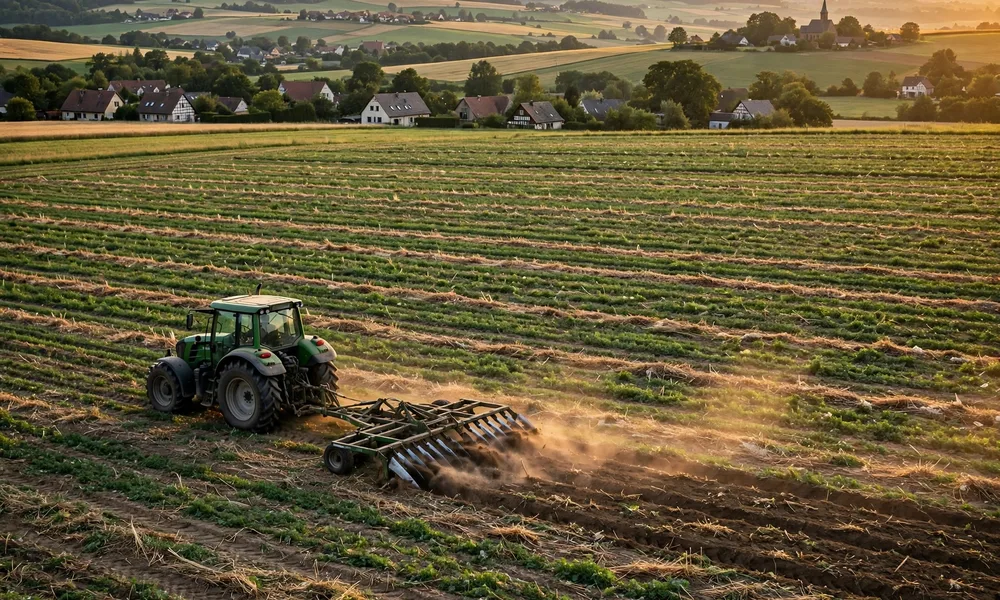
If you farm or garden in Europe, you may have seen the word messeregge on a machine or in a farming guide and wondered what it means. In simple words, a messeregge is a knife harrow, a farm tool that slices the top layer of soil with rows of sharp blades.
It does not turn the field upside down like a plow. Instead, it cuts crust, chops leftover plant material and levels the surface, leaving the soil ready for seeds. This guide explains what it is, how it works and when farmers choose it.
Quick Facts
| Name | Messeregge |
|---|---|
| Meaning | From German Messer, meaning knife, and Egge, meaning harrow |
| English Name | Knife harrow |
| Main Job | Slicing and leveling the top layer of soil |
| Working Depth | Shallow, about 1 to 5 centimeters in published guides |
| Best Known For | Seedbed finishing, crust breaking and residue cutting with low soil disturbance |
| Type | A tool category, not a single brand name |
What the Word Messeregge Means
The name tells you exactly what the tool does. In German, Messer means knife and Egge means harrow, the farm frame with teeth or blades that breaks up and smooths soil. Put the two words together and you get knife harrow, a harrow that works with knives instead of simple teeth.
In German speaking regions, messeregge is a normal working term, not a brand. Different makers build their own versions, just as different makers build plows or seed drills. Farming guides in English have picked up the German word because the tool is most common in central and northern European farming.
Some makers named in European coverage of this tool type include firms such as Kerner and Fliegl, which sell front mounted and combined tillage equipment. The important point for a buyer or a student is the function, not the badge: if the machine slices shallow soil with angled flat blades, it is doing the messeregge job.
A small warning is useful here. The internet also uses the word messeregge in a few newer, looser ways, for example as a stylish label in exhibition design writing. Those uses borrow the farm image as a metaphor. The original and practical meaning, and the one farmers mean, is the knife harrow described in this article.
How a Knife Harrow Works
The design is simple to picture. A strong frame carries one or more toolbars. Along those bars sit rows of flat or slightly curved steel knives, set at chosen angles. As a tractor pulls or pushes the frame across the field, the knives cut through the top few centimeters of soil.
That slicing action is the heart of the tool. The blades cut through a hard surface crust, slice crop residue left after harvest, and shave down small ruts and clumps. Because the blades work shallow and at an angle, most residue stays near the surface as a protective mulch instead of being buried deep.
Most versions let the farmer adjust the working angle of the knives. A sharper angle cuts more aggressively and moves more soil. A flatter angle is gentler and leaves the surface smoother. Springs or hydraulic systems add downforce and help the knives follow uneven ground and ride over stones.
Many messeregge units are front mounted on the tractor, or combined with other tools in one pass, such as a packer roller behind them or a seeder above them. That combined use saves time and fuel, because the field is leveled, firmed and sometimes seeded in a single trip.
How It Is Different From Other Tillage Tools
Farmers own many soil tools, and each one treats the land in a different way. A moldboard plow is the most aggressive: it cuts a deep slice and turns it over, burying weeds and residue. It leaves a clean field, but it uses a lot of fuel, takes time and can harm soil structure if it is used too often.
A disc harrow uses rows of round, curved discs that scoop, cut and mix the soil. It works faster and shallower than a plow, but it still mixes the profile quite strongly and can, in some soils, help form a hard layer under the worked depth.
A rotary tiller is different again. Powered blades spin and chop the soil into a fine bed. It is useful in small areas and gardens, but it is slow across big fields, uses a lot of power and can break soil structure down too much.
The messeregge sits at the gentle end of this family. Its knives slice rather than turn or pulverize. Published comparisons describe it as low in fuel use, fast across the field, and kind to soil structure, with most of the natural pores and channels in the soil left intact for water and roots.
When Farmers Use a Messeregge
The most common job is seedbed finishing. After earlier tillage or after winter, a field can be rough, crusted or uneven. A shallow pass with a knife harrow levels the surface and makes a fine, even top layer, which helps seeds sit at an even depth and meet moist soil on all sides.
A second job is the stale seedbed method. The field is prepared early, weed seeds near the surface are allowed to sprout, and then a shallow knife pass cuts those young weeds just below the surface before the real crop is planted. The crop then starts in a cleaner field with less competition.
Cover crops are a third fit. Many farmers grow a protective crop between main crops to guard the soil. When it is time to plant again, a messeregge can cut and manage that cover growth, leaving much of it on the surface as mulch while the new seed is placed.
Organic farmers value the tool for a simple reason: it kills small weeds by cutting their roots, without sprays. No tool removes the need for careful timing, and big, deep rooted weeds will survive a shallow pass, but for young weeds in the top layer, a well timed pass can be very effective.
Benefits for Soil Health and the Farm Budget
Soil is not just dirt. Healthy soil has structure, tiny channels made by roots and worms, and a living layer of microbes near the surface. Deep, heavy tillage breaks that structure. Shallow slicing keeps much of it in place, so rain soaks in more evenly and the surface is less likely to wash or blow away.
Leaving residue on the surface helps too. The chopped stems and leaves shade the soil, slow drying in hot weather and feed soil life as they break down slowly. Because the messeregge chops residue without burying all of it, it speeds that contact between residue and microbes while keeping the cover.
There is also a money side. A light, shallow tool needs less pulling power than a deep plow, so the tractor uses less fuel per hectare and the pass can be faster. Less fuel, fewer passes and less wear are real savings, especially on large farms where tillage is a major cost each season.
Care still matters. Knives wear down and must be checked, sharpened or replaced. Working soil that is too wet can smear the surface with any tool, and working too dry and hard can bounce blades over the crust. Stone protection, such as spring release systems on better models, helps knives swing back from rocks and reset without damage.
FAQs
What is a messeregge in simple words?
It is a knife harrow: a farm frame with rows of sharp, flat blades that slice the top layer of soil. The German name joins Messer, meaning knife, with Egge, meaning harrow. It levels and cleans the surface without turning the soil over.
How deep does a messeregge work?
Published farming guides put the working depth at roughly 1 to 5 centimeters. It is a shallow tool by design, made for crust breaking, residue cutting and seedbed finishing, not for deep loosening of compacted ground.
Can a messeregge replace a plow?
Not in every case, and it is not meant to. It fits conservation and shallow tillage systems, seedbed work, cover crops and young weed control. Deep problems, heavy burial of residue or a full restart of a field may still call for deeper tools.
Is messeregge a brand name?
No. It is a German functional term for a type of tool, like the words plow or harrow in English. Several European makers build machines in this category, in different widths and with front mounted or combined designs.
You may also read: What Is Inomyalgia? Easy Guide to Pain Symptoms and Treatment
Final Thoughts
The messeregge is a good example of a simple farming idea done well. Take a harrow, give it knives instead of teeth, work shallow instead of deep, and you get a tool that prepares a clean, level seedbed while leaving the soil’s living structure mostly alone.
For farmers who want to save fuel, protect their fields from erosion and manage weeds and cover crops with less disturbance, it earns its place in the shed. Better soil is built in small, careful passes, and that is exactly the kind of pass this tool was made for.


