What Is Kovových? Learn the Meaning and Everyday Uses
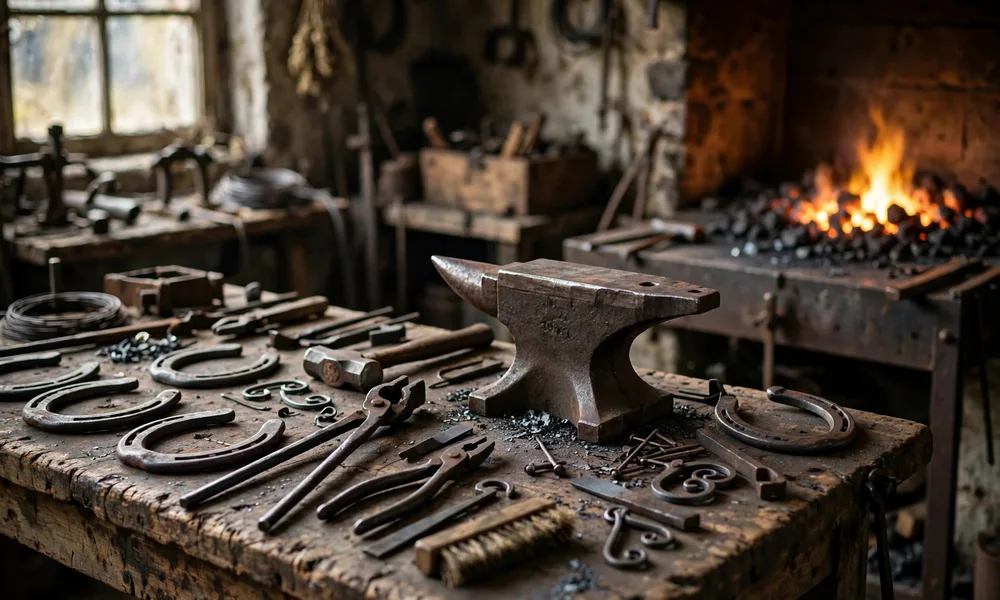 If you have seen the word kovovych in a product listing, a manual, or a page from Central Europe, it can look confusing at first. It is not a brand name and it is not a company. Kovovych is a word form from the Czech and Slovak languages, and it is all about one simple idea – metal.
In this guide, we explain where the word comes from, what it means in plain English, why it ends with that unusual ending, and where you will meet it in everyday life, from doors and tools to cars and buildings.
Quick Facts
| Item | Detail |
|---|---|
| Word | Kovových – written without marks as kovovych in plain text and web addresses |
| Languages | Czech and Slovak |
| Root word | Kov – which means metal |
| Base adjective | Kovový – which means made of metal or metallic |
| Plain English sense | Of metal things, or of metallic items |
| Grammar form | A plural form often used after words meaning of, from, without, or a number |
| Common partners | Words for parts, materials, products, and constructions |
The Basic Meaning, in Simple Words
Start with the shortest word in the family: kov. In both Czech and Slovak, kov means metal. It is the plain noun, like the English words iron, steel, or metal in general talk, though kov covers metal as a material rather than one single type.
From kov, the languages build the adjective kovovy, with an accent on the last letter in proper spelling. Kovovy means made of metal, or metallic. Dictionaries translate the English word metallic into Czech as kovovy. A metal door, a metal part, or a metal surface would all be described with a form of this adjective.
Kovovych is one step further. Czech and Slovak adjectives change their endings to match the words around them. Kovovych is the form the adjective takes in the plural in certain sentence positions. In plain English, it carries the sense of of metal ones, or of metallic things. You will rarely see it alone. It almost always sits in front of a plural noun.
That is why a direct one word translation is hard. English does not change adjective endings in this way, so the meaning only becomes clear in a full phrase. Once you see a few real phrases, the pattern is easy to follow.
Why the Ending Changes
Czech and Slovak are languages with cases. That means the ending of a word shows its job in the sentence – whether it is the subject, the object, or linked with words like of, from, without, to, or with. English mostly uses word order and small helper words for this job. Czech and Slovak often use endings instead.
The ending in kovovych is linked to the genitive plural. The genitive is the case of belonging and quantity – the case of of. It appears after many numbers, after words for amounts, and after certain prepositions. So a phrase built with kovovych usually answers a question like: made of what? A set of what? Without what?
For a reader who does not speak these languages, there is a simple trick. When you see kovovych in a text, read it as of metal or metallic, then look at the next word. The next word tells you what the metal thing actually is – parts, sheets, products, elements, or structures.
The spelling also changes when the word travels online. Proper Czech and Slovak use marks over some letters. In web addresses, file names, and plain English keyboards, those marks are dropped. Kovovych with a plain y is simply the no marks version of the same word, which is why searches for it lead to Czech and Slovak pages about metal goods.
Everyday Phrases You May Meet
The word appears most often in trade, industry, and shopping language. A phrase meaning metal parts is one of the most common. Shops and factories use it for screws, brackets, fittings, hinges, and small machine pieces – the unglamorous items that hold the modern world together.
Metal materials is another common pairing. In that setting, kovovych points to raw or semi finished metal used for making things – sheet, bar, tube, and wire. Metal products or metal goods is a wider phrase used by sellers for finished items, from metal cabinets and shelving to garden tools and kitchen ware.
In building and engineering texts, you will meet it with the word for constructions or structures. Metal constructions means frames, supports, stairs, railings, and other load carrying parts made from steel or other metals. In that world, the word signals strength, fire resistance, and a long working life.
At home, the same word family shows up in quieter places. Product labels talk about metal elements in furniture. Care guides talk about cleaning metal surfaces. Recycling advice talks about sorting metal waste. The word is ordinary working vocabulary, not a technical secret.
Everyday Uses of Metal Behind the Word
Because kovovych simply points to metal things, its everyday uses are the everyday uses of metal itself. In the home, that means door handles, locks, taps, pots, cutlery, radiators, and tools. Metal is chosen for these jobs because it is strong, it handles heat, and it can be cleaned again and again.
In transport, metal parts carry the load. Car bodies, bicycle frames, rail tracks, and ship hulls all depend on steel and other metals. In building, metal beams and frames let architects span wide spaces and raise tall structures safely. In medicine, fine metal instruments are used because they can be made precise and kept sterile, though any medical detail belongs with professionals, not a word guide.
Metal also has a second life, which is part of its everyday story. Unlike many materials, most common metals can be recycled many times without losing their basic quality. Old metal parts and products are collected, melted, and made into new ones. When Czech or Slovak recycling texts use this word family, that loop from old metal goods to new metal goods is usually the subject.
For shoppers, there is a practical lesson here. When a listing from a Czech or Slovak seller uses this word, it is usually telling you the material, not a model name. A product described with kovovych is being sold on the fact that it is made of metal – which often means it should feel solid, weigh a bit more than a plastic version, and last longer with basic care, like keeping it dry and clean.
What Kovovych Is Not
It helps to clear up two common points of confusion. First, kovovych is not a surname in this use. Central Europe does have famous smith surnames built on the same root kov, such as Kovac and Kovar, which come from the old word for a smith, a person who works metal. Those names share the root, but they are a different branch of the word family.
Second, kovovych is not a single product, standard, or brand that you can buy. Some English language websites have dressed the word up as if it were a new technology or a special material. There is no documented evidence for that. The honest answer is simpler and more useful: it is a normal grammar form of a normal word, and its meaning depends on the noun that follows it.
If you are translating a document and meet the word, translate the whole phrase, not the word alone. If you are buying from a Central European seller and meet it in a listing, treat it as a material note – of metal – and then check the rest of the listing for the exact metal, size, and finish, which the seller should state separately.
You may also read: Mr3juice: The Truth Behind This Popular Online Search
FAQs
What does kovovych mean in English?
It means of metal things or of metallic items. It is the plural form of the Czech and Slovak adjective kovovy, which means made of metal or metallic.
Which language does kovovych come from?
The form is shared by Czech and Slovak, two closely related languages. The root word kov means metal in both of them.
Why does the word look different on Czech websites?
Proper spelling uses accent marks over some letters. In web addresses and plain text, those marks are often dropped, so the word appears as kovovych.
Is kovovych a brand or a product I can buy?
No. There is no documented brand or product with this name. It is an ordinary grammar form used to describe metal parts, materials, products, and structures.
Final Thoughts
Kovovych looks mysterious only until you break it down. Kov means metal. Kovovy means made of metal. Kovovych is the plural form you meet in phrases about metal parts, metal materials, and metal structures in Czech and Slovak texts.
Once you know that, the word stops being a puzzle and becomes a helpful label. It tells you what something is made of, which is often the most practical fact on the page – whether you are reading a manual, sorting recycling, or choosing between a plastic fitting and a metal one that will do the job for years.


