What Is Holisticke? A Simple Guide to Better Health and Balanced Living
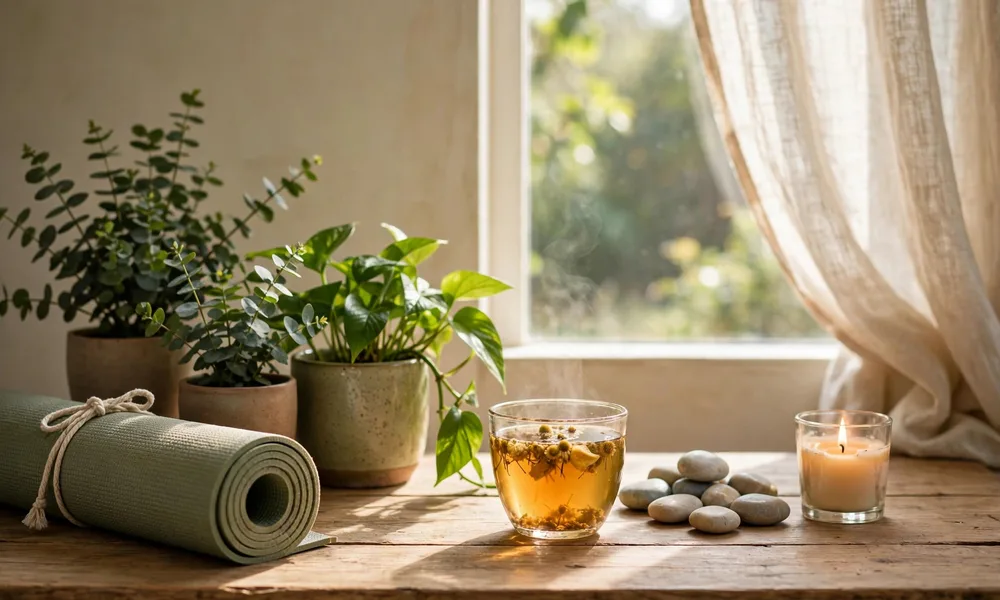
Holisticke is a word you may have seen on wellness blogs and social pages in the last few years. It is used as a fresh spelling for a very old idea, holistic living, which means caring for the whole person, body, mind, feelings, and daily habits, as one connected system.
There is an honest point to make at the start. Holisticke is not a medical term, not a registered treatment, and not one single company or program that experts agree on. It is an online name for a general way of living. This guide explains that idea in simple terms, without big promises.
Quick Facts
| Term | Holisticke |
|---|---|
| Type | Modern online spelling for holistic living and wellness |
| Core idea | Body, mind, emotions, and environment are connected |
| Main areas | Food, movement, sleep, stress, relationships, purpose |
| Medical status | Not a diagnosis, treatment, or replacement for medical care |
| Best use | General lifestyle information and daily habit building |
What Holisticke Means in Plain Words
The word holistic comes from the idea of a whole. Instead of looking at one part of life on its own, a holistic view asks how the parts affect each other. Poor sleep can affect mood. Stress can affect eating. Loneliness can affect energy. A holistic approach tries to notice those links.
Holisticke takes that same idea and presents it as a lifestyle label. Pages that use the word usually talk about simple daily choices, whole foods, regular movement, quiet time for the mind, good sleep, time in nature, and strong social bonds. None of that is new. What is new is only the name and the way it is packaged online.
It helps to be clear about what Holisticke is not. It is not a cure for any illness. It is not a diet plan with proof behind a brand name. It is not a product you must buy. If a page uses the word to sell an expensive cure or to tell you to stop normal medical care, that is a warning sign, not good wellness advice.
Used in a safe way, the word is just a reminder. Your health is more than one number, one meal, or one workout. Small habits across the whole day add up, and balance matters more than perfection.
The Main Pillars of Balanced Living
Most holistic guides, whatever name they use, return to the same few pillars. Food is the first. A balanced pattern usually means regular meals, plenty of vegetables and fruit, whole grains, beans, nuts, and enough protein, with less reliance on highly processed food and sugary drinks. It does not require a strict label or a costly shopping list.
Movement is the second pillar. The body is made to move most days, and that movement does not have to be hard training. Walking, cycling, swimming, dancing, gardening, and gentle stretching all count. The best activity is the one you will actually repeat next week, not the hardest one you do once and quit.
Sleep is the third pillar, and it is often the one people skip. Adults generally feel and function better with regular sleep times, a dark and cool room, and less screen time late at night. Tiredness affects hunger, mood, focus, and patience, so fixing sleep often helps every other habit feel easier.
The fourth pillar is the mind. Stress is a normal part of life, but long periods of stress with no rest wear people down. Quiet breathing, time outdoors, music, prayer or reflection for those who practise it, journaling, and talking honestly with a trusted person are all simple tools. None of them is magic. Together, they give the mind regular chances to settle.
Relationships and purpose form the last pillar. People tend to do better when they feel connected and when their days have some meaning. Family time, friendship, community work, faith life, or a hobby with real interest can all support that sense of connection.
How to Start in a Simple, Safe Way
Start smaller than you think. Pick one habit from one pillar and keep it for two weeks. Drink a glass of water with breakfast. Walk for ten minutes after lunch. Set a fixed time to put your phone away at night. Small steps that you repeat beat big plans that collapse in three days.
Build a gentle daily rhythm rather than a strict rule book. Wake and sleep at close to the same times. Eat at regular times where you can. Move a little in the morning light if possible. Take short breaks during work. A rhythm helps the body know what comes next, and that steadiness is at the heart of balanced living.
Keep a simple note of how you feel. Energy, mood, sleep, and hunger over a week tell you more than one good or bad day. If a habit helps you feel steadier, keep it. If a trend, supplement, or routine makes you feel worse, stop and rethink it. Your own record is more useful than online hype.
Be careful with products sold under wellness names, including pages that use the word Holisticke. Check who is selling, what proof they offer, and whether they promise results that sound too good. A trustworthy source talks about general habits, admits limits, and never tells you to ignore a doctor, a medicine, or a test you need.
This article is general information only and is not medical advice. If you have pain, long term tiredness, low mood, a health condition, or questions about food, exercise, or supplements, talk to your own doctor or another qualified health professional who knows your history.
What Holistic Living Can and Cannot Do
Balanced habits can support daily wellbeing in normal, believable ways. Regular movement can support fitness and mood. Regular sleep can support focus and patience. A varied diet can support energy through the day. Time with people you trust can make hard weeks easier to carry. These are steady benefits, not overnight changes.
What this approach cannot do is just as important. It cannot diagnose illness. It cannot replace treatment for infection, injury, heart disease, diabetes, depression, or any other condition. It cannot promise weight loss, clear skin, or a longer life for any one person. Any page that promises those results from a lifestyle label is going beyond the evidence.
There is also a money trap to watch. Balanced living is mostly free or low cost. Walking is free. Sleep is free. Cooking simple food at home often costs less than buying special products. If a version of Holisticke needs constant buying, it has moved away from the simple idea it claims to teach.
A good test is honesty. Does the advice still make sense if you remove the brand word. Eating vegetables, walking daily, sleeping well, and managing stress are sound general habits under any name. If the value disappears when the name does, the name was the product.
A Balanced Day, As an Example
A balanced day does not look perfect, and it does not need special equipment. It might start with waking at a steady time, drinking water, and getting some daylight. Breakfast could be a normal meal with protein and whole grains, eaten without rushing where life allows.
The middle of the day might include work in blocks, short standing or walking breaks, and a lunch with vegetables and enough food to avoid a late day crash. A short walk outside can clear the head better than another coffee for many people, though habits differ and there is no single right pattern.
The evening might include light movement, time with family or friends, and a meal that is filling but not heavy close to bed. Screens can be set aside a little earlier, lights can be lowered, and the room can be kept cool and dark for sleep.
Notice what is missing from that day. There is no costly powder, no extreme fast, no punishing workout, and no fear about one imperfect choice. Balance means the overall pattern is kind and steady, even when one day goes off track.
FAQs
Is Holisticke a real company or medical program?
No single company, clinic, or official program by that name could be verified from reliable sources. The word is used online as a general label for holistic living. Treat any seller using the name as an individual business to check on its own, not as proof of quality.
Is Holisticke the same as holistic health?
In practice, yes. Pages using Holisticke describe the same whole person idea as holistic health, covering body, mind, emotions, and environment together. The longer word holistic is the standard term used by health writers and professionals.
Can a holistic lifestyle replace a doctor?
No. Healthy habits can support wellbeing, but they do not replace diagnosis or treatment. Keep your normal medical care, take prescribed medicine as directed, and talk to your own doctor before making big changes to diet, exercise, or supplements.
What is the easiest first step?
Pick one small habit and repeat it daily for two weeks. A ten minute walk, a regular sleep time, or water with breakfast are all good starts. Small and steady is safer and more lasting than a full life overhaul in one week.
You may also read: Connie Koepke: Everything to Know About Willie Nelson’s Ex-Wife
Final Thoughts
Holisticke is best understood as a modern online name for a simple, old idea. Care for the whole person. Eat in a balanced way, move most days, sleep with a steady rhythm, give your mind time to rest, and stay connected to people and purpose.
Hold on to the idea, and stay careful with the label. You do not need to buy the word to live the habits, and you should never let a lifestyle page replace real medical care. Balance, patience, and honest information will take you further than any trend name.


