Freeoners Guide: How It Works, Benefits, and Future Explained
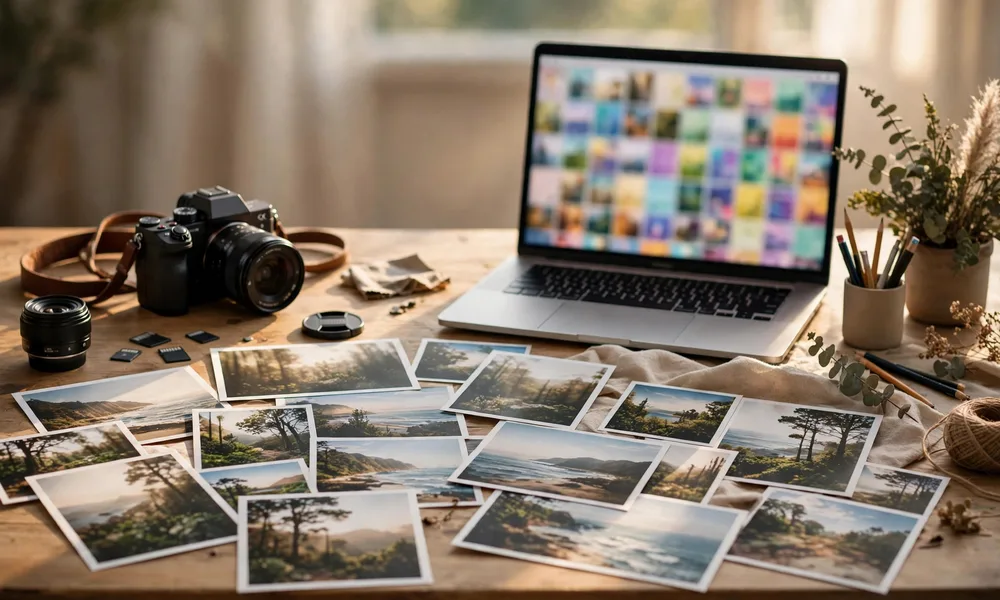
Freeoners is one of those internet words that sounds clear until you try to pin it down. Search for it and you will find two main ideas sharing one name. Some pages use freeoners for free visual content, like short clips and reaction images shared online. Other pages use it for a business style where a basic product is free and money comes from extra features or ads.
This guide explains both uses in simple words, shows how each one works, and is honest about the limits. Freeoners is not a formal term with one owner, one dictionary meaning, or one official platform. Points that could not be confirmed from strong sources are marked as unconfirmed, so you can enjoy the idea without being misled by it.
Quick Facts
| Item | Details |
|---|---|
| Term | Freeoners |
| Type | Informal internet term – no single official definition confirmed |
| Use one | Free, shareable visual content such as GIFs, short loops, and micro-video clips |
| Use two | A free-first business model, close to freemium and ad-supported models |
| Origin | Unconfirmed – described online as growing organically in online communities |
| Main users | Creators, bloggers, social media users, and small online businesses |
| Main caution | Free does not always mean free to reuse – always check the licence and credit rules |
What Are Freeoners? The Two Meanings Explained
The first meaning is about visuals. In this use, freeoners are short pieces of visual content that people share for free. Think of a reaction GIF under a funny post, a tiny looping clip in a story, or a meme-ready image in a blog post. The point is speed and feeling. A two-second loop can say well done, no way, or that is so funny faster and warmer than a line of text. Pages that use the term this way describe it as growing out of GIF culture, where communities made and remade short visuals together and passed them around at no cost.
The second meaning is about business. Here, freeoners describes offers that give the main value away for free and earn money in another way. That can mean a free app with a paid premium plan, a free tool supported by ads, or a free trial that hopes you stay and pay later. This is very close to the well-known freemium model used by many apps and online services. Writers who use freeoners in this sense are often just giving that older idea a fresh name.
Why does one word carry two meanings? Because the internet often works that way. A catchy word spreads first and settles later. People in different groups pick it up and shape it to fit their own topic. Until a dictionary, a major platform, or a clear original source fixes one meaning, both uses may live side by side. That is why context matters so much with this term. Read the page around the word before you decide which meaning the writer had in mind.
How Freeoners Work in Daily Online Life
For visuals, the flow is simple. Someone creates or finds a short clip or image, posts it where others can save and share it, and other people reuse it in chats, posts, lessons, and stories. Good free visual content is short, clear, and easy to understand without sound. It loads fast, works on a phone, and still makes sense when it is shared far from its first post. Creators often add a small credit line or keep the file light so it travels well.
For free-first business offers, the flow has a few more steps. First, the free offer removes the fear of trying. A new user can test the tool without paying, which builds trust faster than any advert. Second, the service learns what users actually do, which features they love, and where they get stuck. Third, the business earns money from the smaller group who need more: more storage, pro features, no ads, or team tools. The free group is not a loss in this model. Free users share the product, write about it, and bring in the paying users of tomorrow.
In both meanings, sharing is the engine. A visual is shared because it is useful or funny. A free tool is shared because it solved a problem at no cost. That is also the risk. Things shared fast can lose their source, their credit, or their true terms along the way. A careful user saves the original page link, not just the file, so the rules that came with it are not lost.
Benefits People Get From Freeoners
The clearest benefit is access. Students, small creators, teachers, and new businesses often have more ideas than money. Free visuals let them make a lesson, a post, or a small shop page look alive without a photo budget. Free tools let them test an idea before spending anything. In places where every cost counts, that open door can be the difference between starting and never starting at all.
Speed is the second benefit. A ready-made reaction clip or a free design tool saves hours. Instead of filming, drawing, or coding from zero, you start from something that already works and adjust it to your need. For social media, where timing is often the whole game, that speed is real value. A funny and fitting visual posted in the first hour of a trend will beat a perfect one posted next week.
The third benefit is learning and community. People who share free work often get feedback, new followers, and better skills. A young editor who posts free loops learns what audiences love. A small app with a free plan learns from thousands of real users, not from guesses. Done with respect, the freeoners style creates a loop where giving away value brings back attention, trust, and skill. Done badly, it can also bring copying without credit, which is why the next section matters.
Risks, Limits, and the Licence Question
Free to view is not the same as free to reuse. This is the most important point in this whole guide. A GIF, clip, or image may be easy to download and still belong to a film studio, a sports league, a photographer, or an artist. Using it in a personal chat is very different from using it in an advert, a product, or a monetized video. Rules change by country and by platform, and this article is general information, not legal advice. When in doubt, use content from libraries that clearly state a free licence, keep the credit the creator asked for, and do not use clips of brands, teams, or famous faces to sell things.
Quality is another limit. Free visuals are often small, compressed, or watermarked, and a blurry clip can make a good page look cheap. Free business tools can also change without warning. A feature that is free today may move to a paid plan next year, or the whole service may close. Smart users keep their own copies of important work, export their data where the tool allows it, and avoid building their whole business on one free service they do not control.
There is also a privacy side. Some free tools earn money from ads and data. That does not make every free tool bad, but it means you should skim the privacy policy, use a strong password, and be careful about uploading private files to a free service you just found. Free is a price model, not a promise. Reading the small print for two minutes can save a lot of trouble later.
The Future of Freeoners: What Looks Likely and What Is Guesswork
Some future points are safe to expect because they follow clear trends. Short visual content is still growing, phones keep getting better cameras, and editing tools keep getting simpler. That means more free clips, loops, and templates will be made and shared every year. Free-first business offers are also well established, so apps and tools will keep using free plans to win users in a crowded market. In both senses, the habit behind freeoners is not going away.
Other future claims are guesswork and should be marked as unconfirmed. No reliable source for this guide could confirm that freeoners will become a formal industry term, a single platform, or a new technology with its own rules. Pages that promise a freeoners revolution or offer to sell you a place in it should be read with care. The word may settle into one clear meaning, split into two separate terms, or fade as fast as it rose. Internet words do all three, and no one can honestly promise which path this one will take.
The most useful way to treat the future is practical. If you create, share some good work freely with a clear licence and your name on it, and keep your best work easy to find. If you use free content or free tools, credit creators, back up your files, and have a backup plan if a free service changes. That approach wins in every future, whatever happens to the word itself.
FAQs
Is freeoners an official platform or company?
No official platform or company by that name could be confirmed from reliable sources for this guide. It is an informal term used online in more than one way.
Can I use freeoners visuals in my own posts?
Only when the licence allows it. Check the source page, keep any credit asked for, and avoid using clips or images to sell products unless you are sure you have the right to do so.
How is the business meaning different from freemium?
In practice, very little. Freemium is the older, well-documented term for a free basic offer with paid upgrades. Freeoners in business articles is mostly a newer label for the same basic idea.
Why do people share work for free at all?
For reach, feedback, goodwill, and trust. Free work can bring followers, clients, and paying users later, even though that result is never guaranteed.
You may also read: What Is Fonendi? The Simple Medical Tool Every Doctor Still Needs
Final Thoughts
Freeoners is a small word with a useful lesson inside it. The internet grows when people share value first, whether that value is a perfect two-second reaction clip or a free tool that helps a stranger get a job done. Just keep your eyes open while you enjoy it. Check licences, credit creators, protect your privacy, and remember that the term itself is still informal and unconfirmed in its details. Used with that mix of openness and care, the freeoners idea can save you time and money today, whatever name it goes by tomorrow.


