Fanquer: How Fans Are Changing the Way We Enjoy Online Content
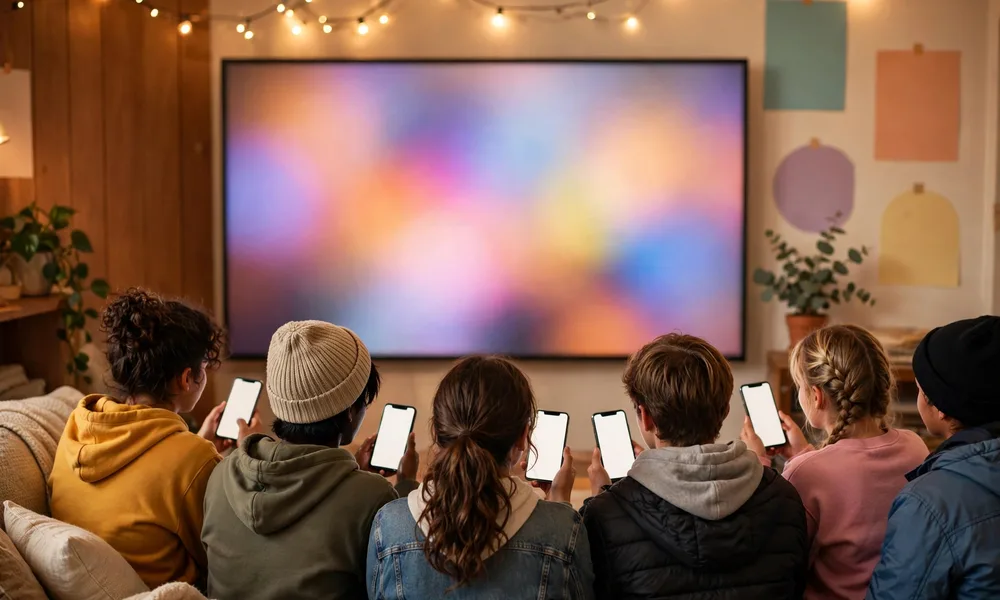
Not long ago, being a fan meant watching from a distance. You saw the show, heard the song, or played the game, and that was the end of it. Today fans vote on endings, fund new projects, clip the best moments, build wikis, and sometimes know a subject better than the people who made it. The word fanquer has started to appear online for exactly this new kind of fan.
Fanquer is not an official dictionary word, and it is not one confirmed company that everyone uses. Different websites use it for an emerging idea, and a few describe it as a platform, but those platform details do not agree with each other and could not be verified from one official source. This article explains the idea honestly: a fanquer is a fan who does not just consume content, but joins in, shapes it, and helps build the community around it.
Quick Facts
| Topic | Details |
|---|---|
| Word | Fanquer, an emerging internet term, not a standard dictionary word |
| Often explained as | A blend of fan and conquer, or a deeply active fan |
| Core idea | Fans as active participants, not passive viewers |
| Where it appears | Social media, gaming groups, creator communities, and fan forums |
| Typical actions | Voting, discussing, creating fan content, joining live events, supporting creators |
| Tone of the word | Mostly positive, linked to dedication and deep knowledge |
| Status | Informal concept with no single official platform or owner confirmed |
What Fanquer Means in Simple Words
A normal fan enjoys content. A fanquer studies it, discusses it, and helps it grow. Imagine two people watching the same series. The first watches each episode once and moves on. The second joins the weekly discussion, learns the backstory of every character, makes short videos explaining hidden details, votes in polls about the next season, and welcomes new viewers into the group chat. Online writers would call the second person a fanquer.
The name itself is often explained as a mix of fan and conquer. The thought behind it is that fans are no longer waiting outside the gates. They have entered the creative process itself. Their choices affect what gets made, their clips decide what goes viral, and their early support can fund a project before any large company believes in it. In that sense, fans have conquered a seat at the table that used to belong only to producers and editors.
Other writers use the word more loosely, for any very committed community member. Under that use, a fanquer is close to a superfan, but with one difference. A superfan may simply love something loudly and collect everything about it. A fanquer adds work and knowledge. They answer other fans’ questions, correct errors in guides, organize events, and keep the community healthy. The value is not just love. It is useful participation.
Because the term is new, its borders are fuzzy, and that is normal for internet language. Words like meme, selfie, and stan also began as loose community slang before wider use settled their meanings. Fanquer may follow the same path, or it may fade. What will not fade is the behavior it names, because that behavior is now built into how online content works.
How Fans Became Part of the Content
The change began with simple tools. Comment sections let viewers talk back to creators for the first time. Likes and shares told creators what worked within hours, not months. Live streaming went further. On a live show, the chat is half the entertainment. A creator reads questions aloud, reacts to jokes, and changes direction based on what the audience asks for in real time. The audience is no longer watching a finished product. It is inside the product while it is being made.
Polls and votes gave fans formal power. Musicians ask followers to pick the next cover song. Game makers let players vote on new characters and maps. Writers test story ideas with their communities before they commit months of work to them. Each vote is small, but together they teach creators to treat fans as partners whose taste is data, not noise.
Fan made content then became a force of its own. Fan art, fan fiction, reaction videos, guides, podcasts, and short clips now reach audiences as large as official releases. Many people discover a show through a fan’s sixty second summary before they ever see a trailer. Smart creators welcome this. They repost fan work, credit its makers, and design moments in their content that fans will want to clip and share. The line between the content and the conversation about the content has almost disappeared.
What This Means for Fans and Creators
For fans, the gain is belonging. A good fan community is not just a feed of posts. It is a group of people who share a passion and recognize each other. Members get early news, behind the scenes material, live question sessions, and the simple pleasure of talking to people who care about the same details. For many people, especially in gaming, music, and sports, that community is a real part of their social life.
For creators, active fans are gold, but they are demanding gold. A loyal community watches everything, forgives honest mistakes, and defends the creator in hard weeks. It also notices laziness fast, dislikes being treated as a wallet, and can leave loudly when trust breaks. Creators who thrive in the fanquer age share decisions early, explain changes honestly, and reward participation with credit and access rather than empty praise.
Brands have noticed the same shift. A company gains more from one hundred committed community members who test products, answer buyers’ questions, and create honest content than from a single advert that a million people skip. That is why marketing writers discuss fanquer style communities so often. The risk for brands is control. A real community cannot be scripted, and fans can smell a fake community built only to sell to them.
The Good Side and the Hard Side of Fan Power
The good side is easy to see. Fan power has saved cancelled shows, funded independent games and films, preserved old content that companies ignored, and built vast free knowledge bases that help millions of people. Fans translate, subtitle, archive, and teach, mostly for love. Whole creative industries now plan around this energy instead of pretending it does not exist.
The hard side is real too. Deep attachment can slide into entitlement, where a loud part of a fandom demands that creators obey it and attacks them when a story goes another way. Review bombing, harassment of actors, and wars between rival fan groups are the dark mirror of participation. The same tools that let fans build also let a minority spoil the space for everyone, including for other fans.
There is also a question of unpaid work. Communities run on the free labor of moderators, guide writers, and clip makers. Good creators and platforms are learning to reward that work with status, access, early information, and sometimes paid roles. Fans are learning to ask what they receive for their effort. A healthy fanquer style community is a fair exchange, not a one way extraction of free work and free loyalty.
Privacy and safety belong in this discussion as well. Younger fans join communities early, and live chat, direct messages, and paid tiers all need clear rules and active moderation. The strongest communities are not the loudest ones. They are the ones with known rules, visible moderators, and a culture where new and young members are protected. Participation is only a gift when the space is safe enough to join.
Is Fanquer a Platform, and What Comes Next
Some websites describe fanquer as a specific platform with features like fan tokens, tiered memberships, live call ins, and private community spaces. Other sites describe the same word as pure slang with no product behind it at all. These accounts do not match, and research for this article found no single official platform source that confirms one feature list, one company, or one launch history. Readers should therefore not pay for, or hand personal data to, anything using this name without checking an official store listing and company record first.
That warning does not shrink the idea itself. Whether or not a lasting product takes the name, the direction of travel is clear. Content is becoming more participatory every year. Expect more voting inside shows and games, more live formats where the audience steers the event, more fan work treated as part of the official story world, and more direct payment between fans and the creators they love.
Creators who plan for this future ask fans questions they truly intend to use, publish clear community rules, and build small loyal spaces instead of chasing raw follower counts. Fans who plan for it choose communities that respect their time, protect their safety, and credit their work. Both sides are learning the same skill: turning attention into a relationship.
The word fanquer may or may not survive. Internet slang is a fast river, and most new words sink. But the fan it describes, informed, active, creative, and impossible to treat as a passive viewer, is already the normal fan of the online age. Content will keep being made with that fan in the room, because that fan now helps decide what succeeds.
FAQs
Is fanquer an official word?
No. It is an emerging internet term, not a standard dictionary word. People use it informally online for a deeply active and knowledgeable fan. Clearer words like superfan, enthusiast, or community member are better for formal writing.
Is fanquer a real platform or app?
Some websites describe it as a platform, but their feature lists disagree and no single official source confirms them. Treat platform claims as unconfirmed. Check official app stores and company records before signing up, paying, or sharing personal data with any service using the name.
How is a fanquer different from a normal fan?
A normal fan mainly enjoys and follows content. A fanquer, as the term is used online, also participates deeply: joining discussions, creating fan content, voting on decisions, helping other fans, and supporting creators directly over a long period.
Is being a fanquer a good thing?
Most uses of the word are positive, praising dedication, knowledge, and helpful participation. Like all strong fandom, it has a healthy form based on respect and a harmful form based on entitlement and harassment. The difference lies in how fans treat creators and each other.
You may also read: Schedow: The New Planning Idea That Can Change Your Daily Life
Final Thoughts
Fanquer names a real change in online life. Fans have moved from the edge of the audience to the center of the creative process. They discuss, decide, fund, translate, teach, and promote. Creators ignore that power at their own risk, and fans who use it with respect can build communities that are among the best places on the internet.
Use the word lightly and the idea wisely. If you are a fan, join in, learn deeply, and help others enjoy what you love. If you create, invite your fans in early and treat their work and loyalty fairly. That exchange, more than any single platform or buzzword, is how fans are changing the way we all enjoy online content.


