Dubolsinho: Meaning, Origins, Dance Style and Why People Love It
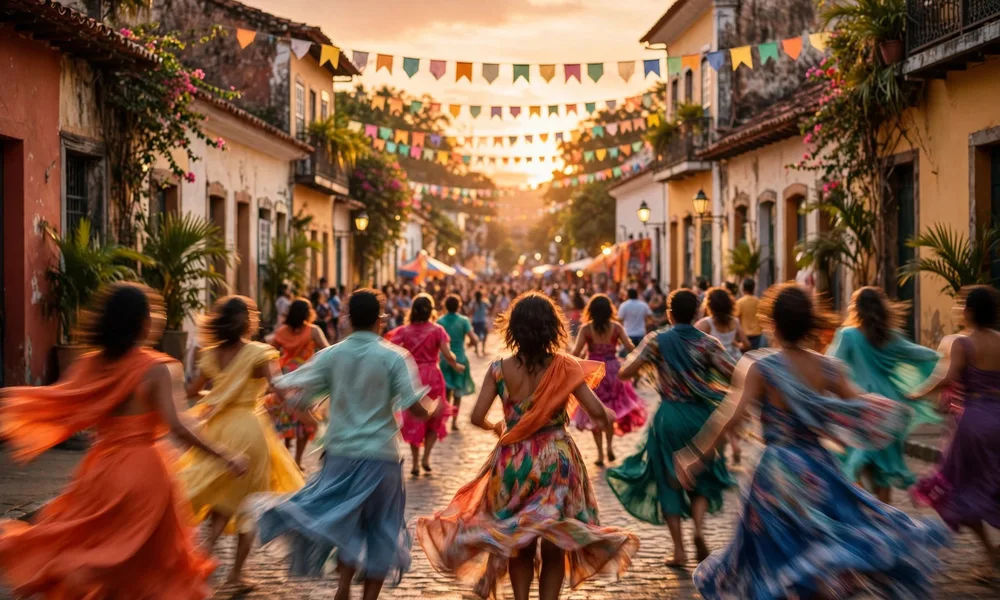
Dubolsinho is a word that has started to appear in online posts about Brazilian dance and street culture. The posts describe it as a fast, free and joyful dance style linked to Brazilian funk music, samba feeling and hip hop freestyle. People share short videos, use the word as a hashtag and talk about it as a small pocket of joy in a busy day.
This guide explains what can be checked, what is only claimed online and what is still unconfirmed. That honest approach matters here. Dubolsinho does not have a clear entry in a major dictionary or encyclopedia at the time of writing, and most of the pages about it are recent blog posts that do not always agree with each other. So this article separates the simple facts from the online story around them.
Quick Facts
| Item | What Can Be Said |
|---|---|
| Word | Dubolsinho |
| Language linked to the word | Portuguese, as used in Brazil |
| Part that is easy to check | Bolsinho means little pocket in Portuguese. Bolso means pocket, and the ending inho makes a word smaller or more friendly. |
| Country linked in online posts | Brazil |
| Main use online today | A dance and culture topic in blogs and short videos |
| Official history | Not confirmed in a major reference source. Treat detailed origin stories with care. |
What Does Dubolsinho Mean?
The clearest part of the word is the ending. In Portuguese, bolsinho is the small form of bolso, which means a pocket. So bolsinho means little pocket. The inho ending is very common in Brazilian Portuguese. People use it to make a word sound small, warm or friendly. A big thing becomes a little thing, and a plain word becomes a kind word.
The first part of the word is harder to pin down. Some online posts try to split dubolsinho in different ways, and they do not agree. Some say the du part points to the number two. Others link the full name to an older project or name, but they give no clear source for that claim. Because those stories cannot be checked in a trusted reference, this article does not present them as fact.
What can be said with care is this. Online writers use dubolsinho as a warm and playful name. They connect it with small moments of joy, quick dance moves and hands moving near the waist or pockets during a dance. That picture fits the little pocket idea, but it is still an online reading of the name, not a proven history of the word.
Readers should also know that Brazil has a rich dance culture with well documented styles such as samba and funk carioca. Funk carioca is a real and well known music style that grew in Rio de Janeiro. Samba is a real and deeply rooted Brazilian music and dance tradition. Those two styles are confirmed parts of Brazilian culture. The question is only how dubolsinho, as a newer online term, fits beside them.
The Online Story of Its Origins
Most blog posts about dubolsinho place its roots in city neighborhoods in Brazil, often naming Rio de Janeiro and Sao Paulo. They describe street parties, community gatherings and young dancers copying and changing each other’s moves. In that story, the dance grew in a free way, without a school, a rule book or a single founder.
That kind of story is common for street dance in general. Many real street styles did grow in parties and public spaces, and they spread because people watched, joined in and added their own steps. So the general picture is believable as a picture of street culture. But for dubolsinho by name, the dates and details in online posts change from page to page. Some posts speak of the late 1990s and early 2000s. Others speak as if the trend is very new and driven by short video apps.
A second claim appears on a few pages. They say the same name was used by a small Brazilian book publisher for children. Those pages name a founder and a town in Minas Gerais, but this article could not confirm that claim in a strong independent source. It may be true, partly true or mixed up with another name. Until a catalog record or a trusted news source confirms it, readers should treat the publisher story as unconfirmed.
The honest summary is simple. Dubolsinho is a real word being used online now, mainly for a dance topic. Its deeper history, as told in blogs, is not yet well documented. That does not make the dance fun any less real for the people who enjoy it. It only means the history should be read with open eyes.
What the Dance Style Looks Like
Online posts describe dubolsinho dance as freestyle first and fixed steps second. That means the dancer listens to the beat and moves in his or her own way, instead of copying one set routine from start to finish. Fast footwork is mentioned again and again. Dancers shift their weight quickly, take small quick steps and stay light on their feet.
The upper body is described as loose and flowing. Shoulders roll, arms swing and the body makes small isolations, which means one part moves while the rest stays still. Hands sometimes move near the waist, which is where the little pocket picture comes from in many posts. The look is playful rather than formal.
The music named in most posts is Brazilian funk, often called funk carioca, with its heavy bass and fast beat. Some posts also mention samba rhythm and electronic beats mixed in. That mix would make sense for a party dance in Brazil, where different styles often meet in the same street or hall. Still, there is no single official dubolsinho song list, teacher group or rule book that this article could verify.
Because the style is described as freestyle, beginners are usually told in online posts to feel the beat first and worry about steps later. That is general dance advice, not a formal dubolsinho method. Anyone who wants to learn in person would do better to find a local Brazilian dance or funk class and ask the teacher what styles they actually teach.
Why People Love It
The first reason is freedom. A freestyle dance does not punish a wrong step, because there is no single right step. That makes it friendly for shy beginners and fun for skilled dancers at the same time. Each person can bring his or her own energy to the same song.
The second reason is the music. Brazilian funk has a strong and simple pull. The beat is easy to feel in the body, even for someone who does not know the words of the song. When a beat is that clear, people who would never join a formal dance class will still move at a party or in their kitchen.
The third reason is short video. A quick and lively dance fits a short clip very well. One good moment, a fast foot move or a funny pocket gesture, can be shared in seconds. Online posts claim very large view numbers for the hashtag, but those numbers could not be checked in a reliable way, so they are not repeated here as fact. What is clear is that short video is the main road by which most people outside Brazil meet the word.
The fourth reason is community. Street dance is social. People learn by watching friends, not only teachers. They laugh, they copy, they fail and they try again together. Online writers often describe dubolsinho in exactly those warm terms, as connection and celebration. Even if the early history is unclear, that social feeling is easy to understand and easy to love.
How to Enjoy Dubolsinho With Care
Start with the music. Listen to Brazilian funk and samba playlists from well known artists and radio stations, and get used to the beat. Then watch dance clips with a careful eye. Enjoy them as entertainment and ideas, not as proof of a long history.
If you share a video, use the word as the online community uses it, but avoid making strong claims you cannot back up. Saying a dance is fun and popular online is fair. Saying it is hundreds of years old, or naming a founder, needs a real source.
Respect also matters. Brazilian street culture was built by real communities, many of them poor neighborhoods that created music and dance with very few resources. Crediting Brazilian culture in general, and not treating the style as a joke, is a simple way to enjoy it well.
You may also read: Antarvacna: How Your Inner Voice Shapes Your Daily Life
FAQs
What does dubolsinho mean in simple words?
The part that can be checked is bolsinho, which means little pocket in Portuguese. Online writers use the full word as a playful name linked to joy, dance and small happy moments. A full proven meaning for the whole word is not confirmed in a major dictionary.
Is dubolsinho a traditional Brazilian dance?
That is not confirmed. Samba and funk carioca are well documented Brazilian traditions. Dubolsinho is mainly documented in recent online posts, which give different origin stories. It is safer to call it an online dance trend linked to Brazilian street culture.
What music fits the dubolsinho style?
Online posts most often name Brazilian funk, also called funk carioca, with some mention of samba rhythm and electronic beats. There is no verified official song list for the style.
Can a beginner try this dance style?
Yes, in the simple sense that the style is described as freestyle. Start with the beat, keep steps small and light, and learn from a real Brazilian dance or funk class if you want proper teaching.
Final Thoughts
Dubolsinho shows how a word can travel fast online. A playful Portuguese name, a strong Brazilian beat and short video clips have turned it into a dance topic that many people now search for. The fun part of the story is easy to see in the clips themselves.
The careful part also matters. The little pocket meaning can be checked, and the link to Brazilian funk and street parties is the common online story. But the detailed history, the dates and the other claims about the name are still unconfirmed. Enjoy the dance, enjoy the music, and keep that honest line in mind. That way, readers get both the joy of the trend and the truth about what is really known.


