Kimi Antonelli Becomes Formula One’s Youngest World Champion at 20
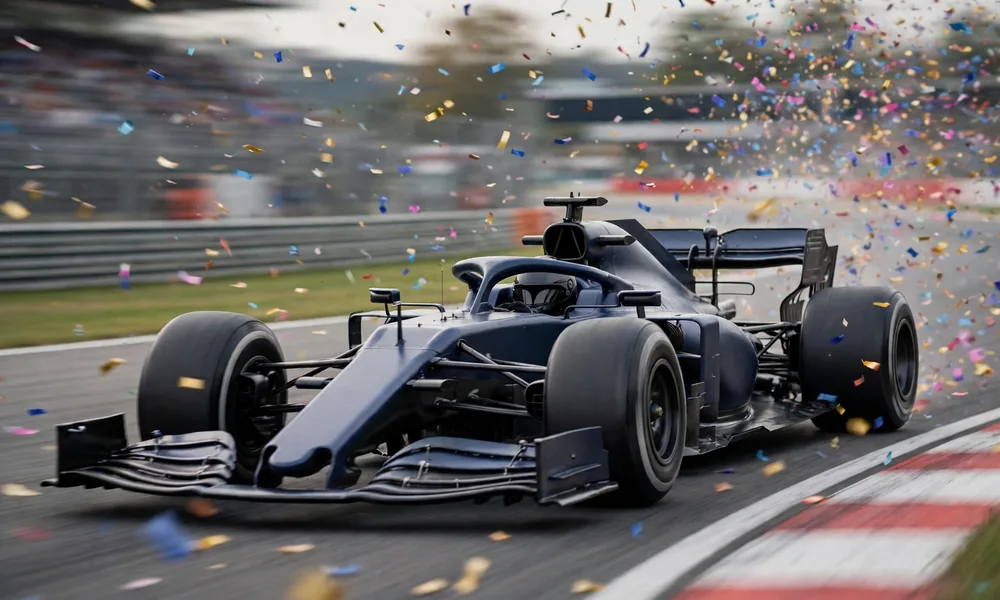
Formula One has a new world champion, and he is younger than anyone who has ever won the title before. Kimi Antonelli, the 20 year old Mercedes driver, clinched the championship on Sunday, November 1, 2026, by finishing third at the Mexico City Grand Prix. The result was enough to make his lead unassailable, and it wrote his name into the record books in a sport that usually rewards experience as much as speed.
Antonelli arrived in Mexico knowing the maths was simple. He needed only a ninth place finish or higher to seal the title, no matter what his rivals did. He did far better than that, driving a calm and controlled race to third place behind race winner Max Verstappen and second placed Lewis Hamilton. When he crossed the line, the celebrations began: first over the team radio, then in the pit lane, then on the podium, where a teenager in racing terms became a world champion.
The numbers underline how complete his season has been. Antonelli finished the Mexico race with 380 points and a lead of 119 points that no rival can now overcome. That margin, with races still to run, shows a campaign built on consistency as well as victories: scoring strongly almost every weekend, avoiding costly mistakes, and keeping pressure on rivals who needed near perfect results to stay in touch.
Quick Facts
| Driver | Kimi Antonelli, Mercedes |
| Age at title | 20 years and 68 days, born August 25, 2006 |
| Title clinched | Sunday, November 1, 2026, Mexico City Grand Prix, finishing third |
| Race result | Max Verstappen won, Lewis Hamilton second, Antonelli third |
| Requirement | Ninth place or higher was enough to clinch the title |
| Points | 380 points, lead unassailable at 119 points |
| Previous youngest champion | Sebastian Vettel, 23 years and 134 days in 2010 |
| Historic note | First Italian champion since Alberto Ascari in 1953 |
| Next race | Sao Paulo Grand Prix, November 6 to 8 |
A Record That Stood for Sixteen Years
The previous youngest world champion was Sebastian Vettel, who won his first title in 2010 at 23 years and 134 days. That record had stood for sixteen years, through a generation of young talents who arrived in Formula One earlier and earlier but never quite broke it. Antonelli has now beaten it by more than three years, a gap that shows just how exceptional his rise has been.
Age records in Formula One matter because the sport is unforgiving. A driver must handle cars that demand immense physical fitness, react in fractions of a second at speeds above 300 kilometres per hour, manage tyres, fuel, strategy, and team communication, and do it all under global scrutiny. To master those skills at 20, against rivals with a decade more experience, is a rare achievement, and it places Antonelli in a conversation that includes the greatest names in the sport’s history.
The comparison with Vettel is also instructive. Vettel went on to win four titles in a row, proving that an early first championship can be the start of dominance rather than a one off. Antonelli will face the same question now: can he build on this title, handle the pressure of defending it, and keep improving when every rival is studying his driving? His age gives him time, but time in Formula One is never guaranteed.
Italy’s First Champion Since 1953
For Italian motorsport, this title ends a wait of more than seven decades. The last Italian world champion was Alberto Ascari, who won in 1953, in an era when Formula One was a very different sport: fewer races, far less safety, and cars that bore little resemblance to the machines of today. Since then, Italian drivers have come close, Italian teams have won titles, and Italian fans have kept the passion alive, but no Italian driver had lifted the drivers’ crown.
Italy is central to Formula One culture. The Italian Grand Prix at Monza, known as the Temple of Speed, draws huge crowds in red, and Ferrari remains the sport’s most famous team. An Italian champion driving for Mercedes, rather than Ferrari, adds a twist to the story, but it does not lessen the celebration in Italy. Young fans who grew up watching Antonelli in junior categories now have a homegrown champion to follow, and older fans who remember Ascari only through history books have finally seen the wait end.
The title also reflects how global the driver pipeline has become. Antonelli came through junior racing in Europe, learning his craft in karting and feeder series before stepping up to Formula One. His success will encourage academies and young drivers across Italy, and it will remind teams that talent can emerge from anywhere, provided the support and opportunity are there at the right time.
The Mercedes Journey and Replacing Hamilton
Antonelli joined the Mercedes young driver program at a young age, and the team invested years in his development before giving him a race seat. That pathway matters in modern Formula One, where teams scout drivers as teenagers, guide them through junior series, and prepare them for the pressure of a top team. Mercedes clearly believed Antonelli was ready, and this season has justified that faith.
The context made the task even harder. Antonelli replaced Lewis Hamilton at Mercedes, one of the most successful drivers in the sport’s history and a seven time world champion. Replacing a legend brings instant comparison, intense media attention, and a fan base that is slow to accept change. Many young drivers would have struggled under that weight. Antonelli, instead, made the seat his own, building a relationship with his engineers, learning the car quickly, and delivering results from the start of the season.
Teamwork has been central to the story. A championship is never won by a driver alone. Engineers, strategists, mechanics, and factory staff all contribute, from designing upgrades to executing pit stops under pressure. Antonelli’s calm radio messages and consistent feedback helped the team make the right calls, and the team’s trust in him allowed him to race freely rather than defensively when the title was on the line in Mexico.
The Mexico City Race That Sealed It
The Mexico City Grand Prix itself was a fitting stage for a title decider. The Autodromo Hermanos Rodriguez sits at high altitude, which changes how cars behave: thinner air reduces downforce and cooling, engines work harder, and braking distances shift. Drivers must adapt quickly, and mistakes are punished. Antonelli managed those challenges with maturity, keeping his car in contention without taking unnecessary risks.
Max Verstappen won the race, reminding everyone why he remains one of the fastest drivers on the grid, and Lewis Hamilton finished second, showing the experience that made him a champion many times over. Antonelli in third was exactly where he needed to be. He did not need to win to become champion, and he did not chase a victory that might have risked a crash. That discipline, choosing the championship over a single race win, is often what separates champions from fast drivers who never quite win a title.
The podium celebrations told the rest of the story. Verstappen and Hamilton congratulated the new champion, the Mercedes team celebrated in the garage, and fans around the world shared clips of a 20 year old who had just made history. For Antonelli, the moment will stay with him forever, even as the season continues and attention turns to the next race.
What Comes Next in Sao Paulo and Beyond
The season is not over. The next race is the Sao Paulo Grand Prix from November 6 to 8, where Antonelli will race for the first time as a confirmed world champion. That brings a different kind of pressure: the freedom of having already won the title, balanced against the desire to keep winning and to help Mercedes in the constructors’ championship. Young champions often use the remaining races to experiment, learn, and build confidence for the following year.
Beyond this season, the questions will multiply. Can Antonelli defend his title in 2027, when rivals will have studied his strengths and weaknesses? Will Mercedes keep its performance advantage, or will another team close the gap? How will he handle the fame, sponsorship demands, and media attention that come with being the youngest champion in history? Those are challenges for the future, and they are good problems to have.
For now, Formula One has a fresh face at the top, a record broken, and a story that will be told for years: a 20 year old from Italy, developed by Mercedes, who replaced a legend and became a legend himself in Mexico City. The sport thrives on such moments, when a new generation announces itself not with promise, but with a trophy.
FAQs
How old is Kimi Antonelli?
Antonelli is 20 years and 68 days old at the time of winning the title. He was born on August 25, 2006, which makes him the youngest world champion in Formula One history.
Who held the youngest champion record before him?
Sebastian Vettel held the record, winning his first title in 2010 at 23 years and 134 days. Antonelli has beaten that mark by more than three years.
What did Antonelli need in Mexico to win the title?
He needed only a ninth place finish or higher in Mexico City. He finished third, behind winner Max Verstappen and second placed Lewis Hamilton, which sealed the championship with an unassailable lead.
When was the last Italian champion before Antonelli?
The last Italian world champion before Antonelli was Alberto Ascari in 1953. Antonelli is therefore the first Italian champion in more than seventy years.
Final Thoughts
Kimi Antonelli’s title is more than a record. It is proof that youth, preparation, and calm under pressure can beat experience when the package is right. He handled the weight of replacing Lewis Hamilton, the intensity of a full season, and the maths of a title decider in Mexico with a maturity beyond his years, and he did it with 380 points and a lead that no rival could catch.
Formula One now moves to Sao Paulo, where the new champion will race with the crown already secured. Fans can follow official updates through Formula 1, and read more sport coverage on The Akron Magazine. Whatever happens next, November 1, 2026 will be remembered as the day a 20 year old changed the history books.