
Joe Santagato Net Worth: Where Does His Money Come From?
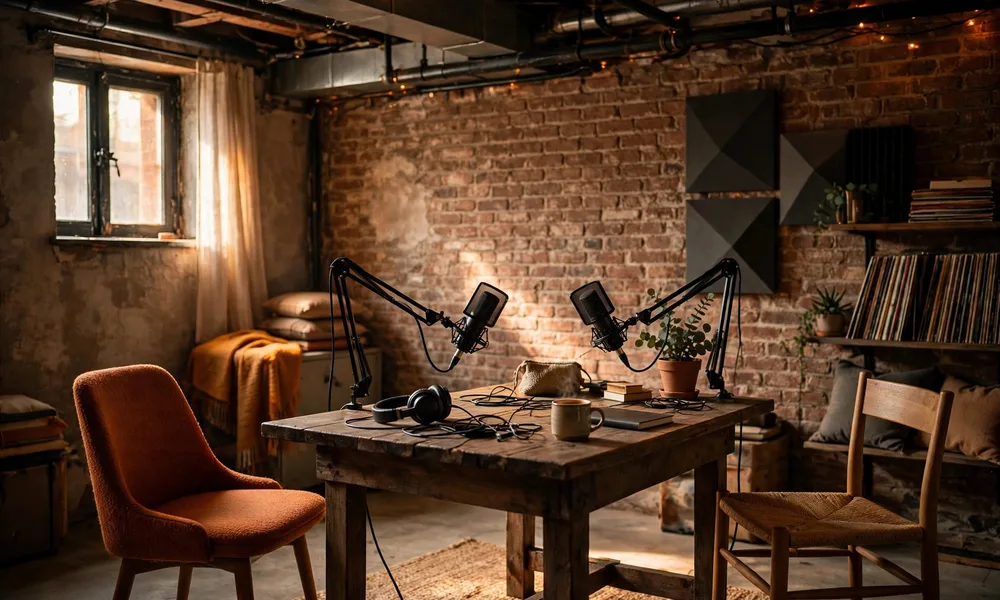
Joe Santagato has been making people laugh on the internet for more than a decade. He started with short comedy videos, built a loyal YouTube audience, and then found his biggest success behind a podcast microphone. The Basement Yard, the show he hosts with Frank Alvarez, grew from a small weekly podcast into sold out live shows and one of the most loved comedy podcasts in the United States.
Fans who have followed that long climb often ask about Joe Santagato net worth. Published estimates range from under 1 million dollars on some tracking sites to around 3 million dollars or more on biography sites. This article explains the range, and more importantly, it explains the work behind the money.
Quick Facts
| Full Name | Joseph Patrick Santagato |
|---|---|
| Date of Birth | February 25, 1992 |
| Place of Birth | Queens, New York, United States |
| Profession | Comedian, YouTuber, and podcast host |
| Known For | The Basement Yard podcast and the Idiots of the Internet series |
| Company | Santagato Studios |
| Family | Raised with siblings Keith, Shannon, and Thomas |
| Estimated Net Worth | Published estimates vary, commonly from about 1 million to 3 million dollars, with some higher guesses |
A Queens Kid With a Camera
Joseph Patrick Santagato was born on February 25, 1992, in Queens, New York, and raised in the Astoria area in a close Italian American family. His parents are Elizabeth and Joseph Santagato, and he grew up with his brothers Keith and Thomas and his sister Shannon. Family has stayed at the centre of his work, and his brothers later became part of his podcast world.
As a teenager he loved sports and being in front of a camera. He received a camera at about 13 years old and began making short sketches and parody songs with friends. That habit of filming everything became the base skill of his career. He later studied at Fordham University, but the classroom was never the main stage for him.
Before full time internet work, he held regular jobs, including bartending, and later worked as a host and producer at Elite Daily. He also built a popular account on Vine, the short video app that trained a whole generation of online comedians. When Vine closed, creators who had real comic timing had to rebuild elsewhere, and Santagato was one of them.
YouTube, Idiots of the Internet, and Settle Down Kids
On YouTube, Santagato found a format that fit him. His self titled channel grew with comedy commentary, vlogs, and series such as Idiots of the Internet and Mad Lib Madness. The videos were simple: a funny person reacting honestly to the strangest corners of the internet. The channel passed millions of subscribers and gave him a direct audience that no television network controlled.
He was also part of the group channel Settle Down Kids before leaving in 2015 to focus on his own work. Group channels were a common path for early YouTube comedians, but Santagato bet on his own name. That choice mattered financially, because a personal channel and a personal podcast can be owned, sponsored, and toured in ways that a shared channel cannot.
Other channels followed over the years, including extra vlog content and sports talk. Not every side project became huge, and that is normal in creator careers. The important point is that by the time podcasting exploded, Santagato already had years of practice speaking to a camera, editing a joke, and keeping an audience through slow weeks as well as viral ones.
The Basement Yard Becomes the Main Event
Santagato started The Basement Yard in 2015 as a personal podcast about his thoughts, stories, and friends. For years it grew steadily rather than suddenly. The turning point came when Frank Alvarez, a childhood friend, became his permanent co host in 2020. Their chemistry, part argument, part brotherly teasing, turned a good podcast into a habit for hundreds of thousands of listeners.
The show reached the top of podcast charts, built a large YouTube audience of its own, and expanded through Patreon, where paying fans receive extra episodes. Podcast money comes from several places at once: advertising read by the hosts, platform revenue, subscriptions, merchandise, and live tickets. A top comedy podcast can earn strongly from each stream, but it also carries studio, staff, and production costs.
Live shows changed the scale again. The Basement Yard moved from theatres to very large rooms, including a headline show at Madison Square Garden that fans treated as a landmark for podcasting. One arena night can gross a large sum, though the performer share is only part of that gross after venue, promoter, travel, and production costs are paid. Even so, touring is now a central part of the Santagato business.
Santagato Studios and Other Income
Behind the jokes sits a company. Santagato Studios is the home for his podcast and related shows, including content with his brothers and friends. Owning the studio means owning the shows, the back catalogue, and the sponsor relationships, instead of taking a salary from someone else who owns them. In creator business terms, ownership is the difference between a good income and lasting wealth.
Merchandise is another steady stream. Limited clothing drops tied to the podcast sell to an audience that already feels like part of a club. Brand sponsorships add more, and Santagato has also given money away publicly, including a widely shared donation of 100,000 dollars to Make a Wish in late 2025, a sign of both success and of the community image he protects.
When sites estimate Joe Santagato net worth, they usually work from YouTube data alone, which understates a podcast and touring business. Tracking sites have put him as low as a few hundred thousand dollars on YouTube maths alone, while biography sites that count the whole business place him nearer 3 million dollars, and some fan sources guess higher. The truth is private, but the full business picture supports the higher end of the common range more than the lowest figures.
What Comes Next for Joe Santagato
Santagato and Alvarez have spoken about taking a break from heavy touring in 2026 after their world tour run, and about lifting the show to a new level. A rest from the road usually cuts ticket income for a while, but it can also protect the product. Podcasts built on friendship suffer when the hosts are exhausted, and this audience can tell the difference quickly.
His career is a useful lesson in patience. There was no single viral week that made him rich. There was a camera at 13, years of sketches, a closed app, a rebuilt channel, a slow podcast, and then a co host who made the show complete. Each stage added a skill or an asset that the next stage could use.
That slow build is also why his finances look durable. YouTube revenue can fall, but a loyal podcast audience, a Patreon base, a studio, and live demand do not all fall at once. Whatever the exact figure is, Joe Santagato net worth rests on work he owns, and that is the strongest position a creator can be in.
FAQs
What is Joe Santagato net worth?
Published estimates vary a lot. YouTube tracking sites give low figures based only on ad revenue, while biography sites that count his podcast, studio, and touring place him around 1 million to 3 million dollars or higher. He has not confirmed a figure.
How does Joe Santagato make money?
He earns from The Basement Yard podcast through advertising, Patreon, and live shows, plus YouTube revenue, merchandise, sponsorships, and his company Santagato Studios.
When did The Basement Yard start?
Santagato started the podcast in 2015. Frank Alvarez became his permanent co host in 2020, and the show then grew into a chart topping podcast with large live tours.
Where is Joe Santagato from?
He was born on February 25, 1992, in Queens, New York, and raised in the Astoria area. His brothers Keith and Thomas also appear in his podcast world.
You may also read: Alex Aniston: The Private Life of Jennifer Aniston’s Brother
Final Thoughts
Joe Santagato net worth is best understood as the result of ownership and time. He owns his shows, he kept his audience for more than a decade, and he turned a small podcast into an arena act without giving the business away.
Estimates will keep changing as tours pause and new projects start. The base, however, is solid: a loyal audience, several income streams, and a studio with his name on the door.
Featured photo: Joe Santagato – photo by Bob Watson, CC BY-SA 4.0, via Wikimedia Commons