How to Start a Vegetable Garden: A Beginner Guide to Growing Your Own Food
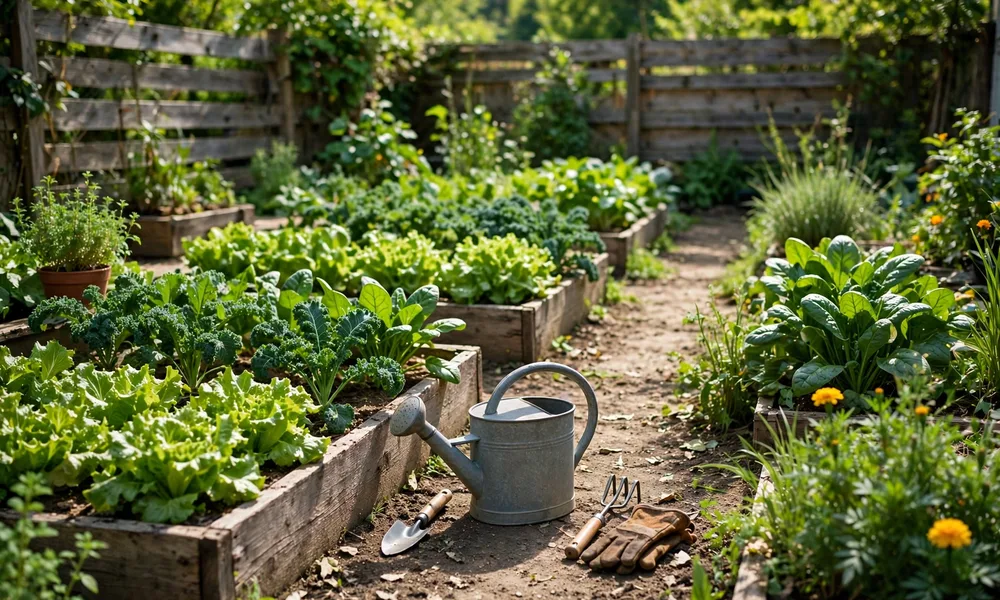
To start a vegetable garden, pick a spot that gets six to eight hours of direct sun a day, start small with a bed about four feet by four feet, fill it with loose soil rich in compost, and plant a few easy crops like lettuce, radishes, beans, and zucchini. Water deeply at the base of the plants, mulch to hold moisture, and harvest often so plants keep producing. You do not need a large yard, fancy tools, or years of experience to grow food you can actually eat.
The biggest beginner mistake is starting too big. A small bed you can weed in fifteen minutes is far better than a large plot that turns into a jungle by July. Grow what you like to eat, plant only a few of each crop at first, and learn your soil, sun, and watering rhythm in one season. Next year you can expand with confidence, because you will know exactly what worked in your own yard.
| Quick Fact | Detail |
|---|---|
| Sunlight needed | Most vegetables need six to eight hours of direct sun each day |
| Good beginner size | A bed about four feet by four feet, or a few large containers |
| Best beginner crops | Lettuce, radishes, beans, zucchini, tomatoes, and herbs |
| Water rule | About one inch of water per week, watered deeply at the roots |
| Soil goal | Loose, well drained soil with plenty of compost mixed in |
| Time needed | About fifteen to thirty minutes a few times a week in the growing season |
Pick the Sunniest Spot You Can Find
Sunlight is the first thing to get right, because no amount of fertilizer fixes a shady bed. Walk around your yard during the day and notice which spots stay sunny from morning to afternoon. Most vegetables need at least six hours of direct sun, and fruiting crops like tomatoes, peppers, and zucchini do best with six to eight hours. Avoid spots under large trees, where roots compete for water and leaves block the sun, and avoid low spots where water pools after rain.
Put the garden close to your house and close to water if you can. A bed near the back door gets weeded, watered, and harvested far more often than one at the far end of the yard, simply because it is easy to reach. A nearby tap or hose saves countless trips with a watering can. If your only sunny space is a patio or balcony, containers work well: use large pots with drainage holes, good potting mix, and a saucer underneath, and grow compact crops like lettuce, herbs, cherry tomatoes, and peppers.
Start Small and Grow What You Like to Eat
A four foot by four foot raised bed is a great first garden. It is small enough to manage, large enough for a real harvest, and easy to reach from all sides without stepping on the soil. Choose up to five crops for your first season, and plant a few of each rather than a whole row of one thing. That way a failure in one crop still leaves you with food, and you learn several plants at once instead of betting the season on one variety.
Easy first crops include lettuce and salad leaves, radishes, green beans, zucchini, and cherry tomatoes. Radishes are ready in about a month, which gives beginners a fast reward, while beans and zucchini produce heavily once they start. Herbs like basil, parsley, and mint are also forgiving, although mint should stay in its own pot because it spreads aggressively. Grow what your household actually eats, not what looks impressive in a seed catalogue, because a garden full of food nobody wants is a chore, not a joy. Fresh produce from your own bed also makes planned meals cheaper and tastier, as this budget meal prep guide shows.
Prepare Soil That Plants Will Love
Good soil is loose, dark, and full of organic matter, so roots can spread, water can drain, and worms and microbes can do their quiet work. If you are digging into existing ground, remove grass and weeds, loosen the top eight to twelve inches with a fork, and mix in several inches of compost. If you are building a raised bed, a mix of topsoil and compost works well for most vegetables. Avoid soil that stays soggy after rain or sets like concrete when dry, because roots struggle in both.
Do not overthink fertilizer in your first season. Compost provides slow, steady nutrition and improves soil structure at the same time, which is more valuable than a bag of fast acting chemicals. A simple soil test from your local extension service can tell you if your soil lacks a major nutrient or has an unusual pH, and it costs little. Mulch the bare soil between plants with straw, shredded leaves, or grass clippings once seedlings are established. Mulch holds moisture, suppresses weeds, and keeps soil cool, which means less watering and less work for you.
Plant, Water, and Feed With a Simple Routine
Read the seed packet or plant label before you plant anything. It tells you how deep to sow, how far apart to space plants, and whether the crop prefers cool or warm weather. Cool season crops like lettuce, peas, spinach, and radishes grow in spring and autumn, while warm season crops like tomatoes, peppers, beans, and zucchini need warm soil and no frost. Planting a warm season crop too early is a common beginner error, so check your last expected frost date and wait for warm soil before planting tender crops.
Water deeply and less often rather than giving a light sprinkle every day. Deep watering encourages roots to grow downward, where soil stays moist longer, while shallow watering keeps roots near the surface where they dry out fast. As a rough guide, vegetables need about one inch of water per week from rain or watering combined. Water at the base of the plants in the morning, so leaves dry during the day and disease has less chance to take hold. A soaker hose or drip line makes this easy and saves water. Gardening pairs well with listening and learning, and many beginners enjoy this guide to starting a podcast from home for ideas to listen to while they work in the garden.
Deal With Pests, Weeds, and Harvest Time
Weeds are easiest when they are small, so spend ten minutes pulling them a few times a week rather than facing a jungle once a month. Mulch helps a lot, and so does planting closely enough that crop leaves shade the soil once plants grow. For pests, start with the gentlest approach: pick large insects off by hand, spray aphids off with a strong jet of water, and protect young seedlings with netting or row cover if birds or insects attack them. Healthy, well watered plants resist pests better than stressed plants, so good watering and soil care are pest control too.
Harvest often and at the right time. Lettuce leaves can be picked a few at a time from the outside, beans taste best when young and tender, zucchini should be picked small before it turns into a baseball bat, and tomatoes taste best when fully coloured and slightly soft. Frequent picking tells many plants to keep producing, so a plant you harvest regularly often gives you more food than one you leave alone. Taste as you go, share surplus with neighbours, and freeze or cook extra produce promptly. A garden that feeds you all season is built on small regular jobs, not heroic weekend sessions.
What if my yard does not get six hours of sun?
Grow leafy crops that tolerate partial shade, such as lettuce, spinach, kale, chard, and herbs, which can manage with about four hours of direct sun. Root crops like carrots and radishes can also work with four hours. Fruiting crops like tomatoes and peppers will struggle in shade, so save those for your sunniest container or a friendlier spot.
Is it better to start from seeds or seedlings?
Both work. Seeds are cheaper and offer more varieties, and crops like beans, peas, radishes, and lettuce are easy from seed sown directly in the bed. Seedlings from a garden centre give tomatoes, peppers, and zucchini a head start, which helps in short seasons. Beginners often do best with a mix: direct seed the easy crops and buy seedlings for the slow starters.
How often should I water my vegetable garden?
Aim for about one inch of water per week, adjusted for rain and heat. Check the soil by pushing a finger an inch or two down: if it feels dry at that depth, water deeply. Water in the morning at the base of the plants, and water more often in hot weather or for containers, which dry out faster than beds.
Do I need to use pesticides in a home vegetable garden?
Usually no. Good soil, proper spacing, crop rotation, and hand picking handle most beginner problems. Remove affected leaves, encourage helpful insects by growing flowers nearby, and use netting for birds and flying pests. If a problem is severe, identify the pest first and ask your local extension service for the safest option before spraying anything.
Sources
Sunlight, spacing, and watering guidance in this article reflects the Better Homes and Gardens beginner garden guide, the Garden Gate guide to starting a vegetable garden, and the HGTV vegetable gardening tips for beginners. Planting dates and varieties vary by climate, so check local guidance for your area before you sow.
Final Thoughts
Starting a vegetable garden is simpler than most beginners fear, and the reward is real food grown a few steps from your kitchen. Pick a sunny spot, start small, feed your soil with compost, water deeply, and harvest often. Your first season will teach you more than any book, because every garden has its own sun, soil, and quirks. Plant a few easy crops this season, enjoy the first radish or salad leaf you grew yourself, and let that small success grow into a bigger garden next year.