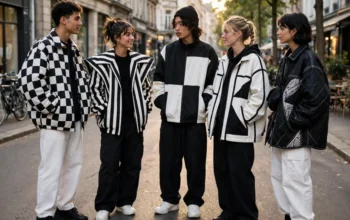
CDG x Peace in War: Where Avant-Garde Meets Streetwear

The title of this article pairs two very different fashion worlds. On one side is CDG, short for Comme des Garcons, the Japanese label founded by Rei Kawakubo that changed how the fashion world thinks about shape, beauty, and gender. On the other side is Peace in War, a small modern streetwear brand built around one idea – calm and conflict living in the same design.
An honest note comes first. As of writing, we could not confirm an official joint collection between Comme des Garcons and Peace in War from either brand official channels or from major fashion press. That point is unconfirmed. So this article does not invent a launch date, a price list, or a product catalog. Instead it explains both brands from documented facts, shows where their ideas genuinely meet, and tells you how to check any claimed collaboration before you buy.
| Quick Facts | Details |
|---|---|
| CDG full name | Comme des Garcons, French for like boys |
| CDG founded | 1969 in Tokyo by Rei Kawakubo |
| CDG Paris debut | 1981, known for deconstructed and monochrome designs |
| CDG Play symbol | Red heart with eyes, designed by Filip Pagowski |
| Peace in War | Independent streetwear brand built on contrast between peace and conflict |
| Peace in War staples | Oversized hoodies, graphic tees, sweatpants, denim, limited seasonal drops |
| Joint collection status | Unconfirmed – no official announcement found in public sources checked |
| Category | Fashion |
CDG: The Avant-Garde Side, in Plain Terms
Avant-garde means work that pushes ahead of accepted taste. Comme des Garcons is one of the clearest examples in fashion. Rei Kawakubo started the label in Tokyo in 1969 after working in advertising for a textile company. She had studied fine art and literature, not fashion design, and that outside view shaped everything that followed.
When the label showed in Paris in 1981, the clothes shocked many critics. The designs used black heavily, left edges rough, tore and layered fabric, and ignored the polished feminine ideal that dominated Paris at the time. Some critics mocked the look. Others saw that a serious question was being asked – why must clothes flatter the body in only one approved way?
Later collections kept asking that question. The famous Spring and Summer 1997 show, often called Lumps and Bumps, placed padded shapes under gingham dresses so the body looked changed and unfamiliar. It was not made to be pretty in a simple sense. It was made to make viewers think about what a body is and how dress changes it. That thinking-first approach is the heart of CDG.
At the same time, CDG learned how to reach the street. Sub-lines such as Comme des Garcons Play brought the ideas down to T-shirts, knitwear, and sneakers that young buyers could actually wear daily. The red heart with eyes became one of the most copied symbols in modern casual fashion. Collaborations with large sneaker and streetwear names, sold through stores such as Dover Street Market, which Kawakubo co-founded in London in 2004, helped CDG speak to two audiences at once – the art fashion world and the sneaker crowd.
Peace in War: The Streetwear Side
Peace in War works at a very different scale, and that difference is part of the interest. Public material from the brand own site describes a label built on contrast. Peace stands for balance and calm. War stands for struggle and raw energy. The designs put those opposites together – for example a peace symbol placed beside the word hate, or soft relaxed shapes carrying hard gothic lettering.
The core products are familiar streetwear pieces. Oversized heavyweight hoodies are the center of the range, supported by graphic T-shirts, sweatpants, shorts, and denim. Fits run loose by design, prints carry the message, and collections are sold as limited seasonal drops and pop-up events rather than as endless year-round stock. The brand has promoted pop-up shopping and music afterparty events in New York, tying the clothes to underground music culture in the same way many young streetwear labels do.
Because Peace in War is small and young compared with CDG, public documentation is thin. Its history, sales figures, and production details are not covered by major fashion reference sources in the way CDG is. Readers should treat bold claims on fan pages and resale listings with care. What is consistent across the brand own material is the visual language – contrast, symbolism, oversized fits, and graphic statements on everyday pieces.
Where the Two Ideas Genuinely Meet
Even without a confirmed joint collection, it is easy to see why people pair these names in conversation. Both brands reject plain clothing with no message. CDG does it by changing shape, proportion, and the rules of beauty. Peace in War does it by printing a tension – peace against war, love against hate – onto clothes anyone can wear.
Both also understand symbols. The CDG Play heart is a symbol so simple that a child can draw it, yet it carries the weight of a famous fashion house. Peace in War graphics work the same way at street level. A cracked peace sign or a saint-like figure on a tee can be read in a second, from across a street or inside a phone photo. In modern fashion, that instant reading is power.
There is also a shared love of black, white, and strong contrast. CDG built its early identity on monochrome. Peace in War uses black and white graphics, gothic type, and sudden blocks of color against plain bases. Put a deconstructed CDG jacket over a graphic Peace in War tee and the outfit makes visual sense, even if the pieces were never designed together. Much of what social media calls a collaboration look is really this kind of styling – fans mixing labels that share a mood.
The honest difference is depth and intent. CDG collections are conceptual works that museums collect and scholars write about. Peace in War pieces are direct and emotional, made for daily wear and quick impact. Avant-garde questions the system. Streetwear speaks inside the system in a loud voice. A real meeting of the two would need to protect both – the thinking and the wearability – or it would satisfy neither audience.
How to Check a Claimed Collaboration Before You Buy
Step one is to look for the announcement on official channels only. A real CDG collaboration is normally confirmed by Comme des Garcons, by Dover Street Market, or by established fashion press. If the only source is a discount shopping site or a social post selling the product, treat the claim as unconfirmed.
Step two is to check the product itself. Official CDG pieces carry clear branding, quality labels, and consistent sizing and fabric information. Peace in War pieces are sold through the brand own store in limited drops. A product that uses both logos but is sold by an unknown seller, with no drop announcement and no official listing, is far more likely to be an unofficial mashup or a copy.
Step three is to watch the price and the story. Sellers of fake collaboration pieces often invent urgency – secret drop, factory outlet, or last stock at a huge discount. Real limited pieces do sell out, but the brands themselves announce dates and places. If you cannot find the drop mentioned anywhere except the selling page, pause and search again before paying.
Step four is simple. If you love the look, you can create it legally by styling genuine pieces from each brand together. Mixing labels in your own outfit needs no official collaboration, and it is how most strong street looks are actually built.
How to Style the Meeting Point Yourself
Start with one statement piece, not five. A graphic hoodie or tee from a brand like Peace in War already carries a strong message. Keep the rest of the outfit quiet – plain black trousers, clean sneakers, and one structured outer layer. That balance is the main lesson CDG teaches. Contrast works when it is controlled.
Play with proportion next. Avant-garde styling often pairs something oversized with something fitted. An oversized hoodie over slim denim, or a long loose shirt under a cropped jacket, gives the eye a clear shape to follow. If everything is oversized, the outfit loses form. If everything is tight, the streetwear ease disappears.
Use color with intent. A black and white base lets one graphic or one red detail do all the work, much like the single red heart on a plain CDG Play shirt. Adding many bright graphics at once turns a thoughtful look into noise. Fashion fans who get this mix right usually look calm, not busy, even when the message on the clothing is loud.
Finally, wear the message honestly. Peace and conflict graphics mean something to many young buyers who live with real stress and real hope at the same time. Wearing the idea because you understand it will always look stronger than wearing a logo only because it is trending this week.
You may also read: How AI, Augmented Reality, and Digital Visualization Are Changing Home Design and Property Marketing
FAQs
Is there an official CDG x Peace in War collection?
We could not confirm one from official brand channels or major fashion press as of writing, so the collaboration should be treated as unconfirmed. Check the Comme des Garcons and Dover Street Market channels for any future official announcement before trusting a seller claim.
What does CDG stand for?
CDG is short for Comme des Garcons, a Japanese fashion label founded by Rei Kawakubo in Tokyo in 1969. The French name means like boys, and the label is famous for deconstructed, thought-provoking designs and for the Play line heart logo.
What is Peace in War clothing known for?
Based on the brand own material, it is known for oversized hoodies and graphic tees built around contrast – peace symbols against hard words and images, relaxed fits, and limited seasonal drops sold through its own store and pop-ups.
How can I get the avant-garde streetwear look without a collaboration piece?
Mix genuine pieces yourself. Pair one graphic streetwear item with plain, well-shaped basics and one structured layer. Keep colors mostly black and white, control proportion, and let a single symbol or print carry the message.
Final Thoughts
CDG x Peace in War is best understood today as an idea, not a confirmed product line – the meeting of museum-level avant-garde thinking with direct, message-driven streetwear. That idea is still worth exploring, because it explains where fashion energy now lives, between concept and daily wear. Just keep the facts straight. Enjoy the styling, learn from both brands, and let official sources – not sales pages – tell you if the collaboration ever becomes real.