New Zealand voted in its 2026 general election on Saturday, November 7, 2026. The early New Zealand election 2026 results show a race too close to call, with 5.7 percent of the results counted, the ruling center-right National Party had 31.58 percent of the party vote and the opposition center-left Labour Party had 28.37 percent, according to Electoral Commission figures reported by Reuters. Other early reports put National on nearly 31 percent and Labour on almost 30 percent. No winner can be declared from these early figures, and the count was still moving when this article was written.
The contest pits incumbent Prime Minister Christopher Luxon, leader of the National Party, against Chris Hipkins, leader of Labour and a former prime minister. A final opinion poll released on Friday put Labour at 30 percent of the vote, just ahead of the National Party. Neither major party is likely to win a governing majority under New Zealand’s mixed-member proportional system, known as MMP, so coalition talks are expected. The main issues were the rising cost of living and general economic problems.
Quick Facts
| Detail | What is known |
|---|---|
| Election day | Saturday, November 7, 2026 |
| Polling hours | Voting places open from 9.00am to 7.00pm local time |
| Advance voting | From October 26, with almost 1.7 million of 3.8 million eligible voters having voted by Thursday |
| Polls closed | 7.00pm local time, which is 0600 GMT |
| Early count reported | 5.7 percent of the results counted |
| National Party early party vote | 31.58 percent, described in other early reports as nearly 31 percent |
| Labour Party early party vote | 28.37 percent, described in other early reports as almost 30 percent |
| Final pre-election poll | Labour at 30 percent, just ahead of the National Party |
| Electoral system | Mixed-member proportional, known as MMP |
| Electorate seats | 71 |
| Count timetable | 50 percent of voting places expected by 10.00pm, 95 percent by 11.30pm local time |
| Official results | Expected on Friday, November 27, 2026 |
| Main issues | Rising cost of living and general economic problems |
| Leaders | Christopher Luxon for National and Chris Hipkins for Labour |
What the Early New Zealand Election 2026 Results Show So Far
The first numbers from election night told a simple story, and it was a story of a very tight race. With only 5.7 percent of the results counted, National led Labour by a little more than three percentage points in the party vote, at 31.58 percent against 28.37 percent. That gap sounds clear on its own, but it means very little at such an early stage, because the places counted first are not a neat sample of the whole country. Early results can move a long way as more voting places report, so readers should treat every figure in this article as early and preliminary.
Other early reports gave a similar picture in rounder numbers, putting National on nearly 31 percent and Labour on almost 30 percent. Preliminary results are released progressively from 7.00pm on electionresults.govt.nz, and a lead of one or two points at this stage can shrink, grow, or reverse before the night is over.
Why Neither Major Party Is Likely to Govern Alone
New Zealand uses the mixed-member proportional system, known as MMP, and that system makes it very hard for one party to win a governing majority on its own. Under MMP, voters cast a party vote and an electorate vote, and the party vote largely decides how many seats each party gets. A party needs more than half of the seats to govern alone, and neither National nor Labour was polling near that level before election day.
That is why coalition talks are expected, and why the story of this election will not end when the last voting place reports on Saturday night. Party leaders will have to work out which combination of parties can command a majority. Those talks can take days or weeks, and they often turn on the smaller parties, whose seats can make the difference between a government and an opposition.
Cost of Living and the Economy at the Centre of the Vote
The main issues in this election were the rising cost of living and general economic problems, after a period in which household budgets have been under pressure across New Zealand. When voters say the cost of living is their top concern, they usually mean the everyday costs that add up week after week, from food and housing to transport and energy.
Luxon and the National Party went into the election as the incumbent government, which meant they had to defend their record on the economy as well as promise what comes next. Hipkins and Labour went in as the opposition, which meant they had to persuade voters that a change of government would make life more affordable. The closeness of the early results suggests that neither side had won that argument outright.
How Voting Worked and What Happens Next
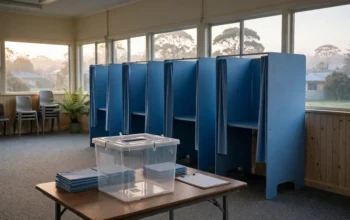
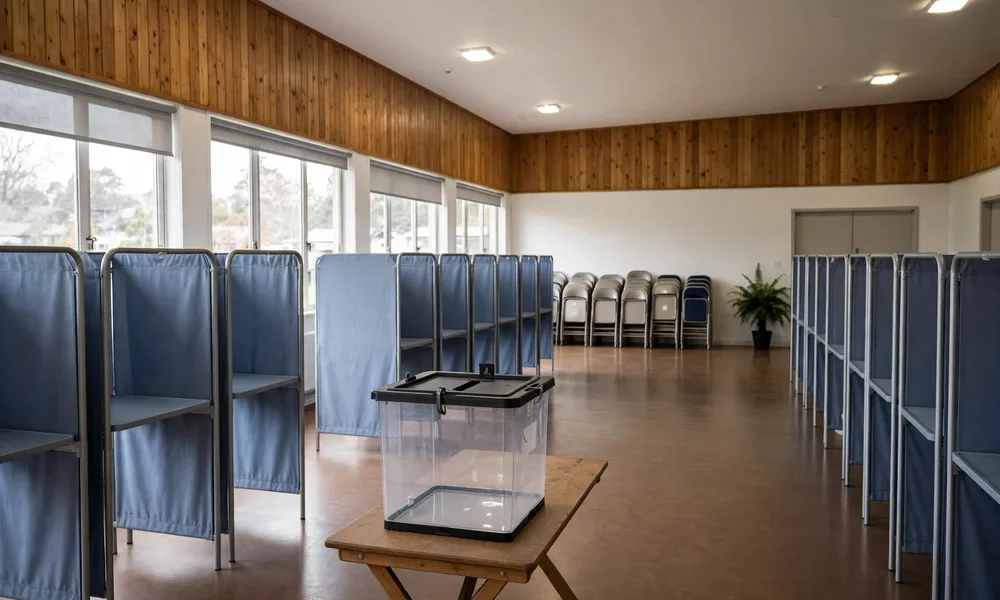
Voting places were open from 9.00am to 7.00pm local time on Saturday, November 7, 2026. Advance voting had run from October 26, and by Thursday almost 1.7 million of the country’s 3.8 million eligible voters had already cast ballots, according to the Electoral Commission. That means a large part of the result was already decided before election day.
Polls closed at 7.00pm local time, which is 0600 GMT, and preliminary results were released progressively from 7.00pm on electionresults.govt.nz. The Electoral Commission expects to report preliminary results from 50 percent of voting places by 10.00pm and 95 percent by 11.30pm local time. By 11.30pm the preliminary result should be close to its final shape, even though it will still not be official.
Preliminary results do not include special votes, including overseas votes, which are counted after election day and can shift seat numbers. That is why official results are not expected until Friday, November 27, 2026. New Zealand’s strict election laws also ban media reporting and political campaigning on the final day of voting. There are 71 electorate seats in the election.
What to Watch as the Count Continues
The first thing to watch is how far the National lead holds as more voting places report. A lead built on 5.7 percent of the count can fade quickly, and the 10.00pm checkpoint, when 50 percent of voting places are expected to have reported, will be the first real test of whether the early pattern is holding.
The second thing to watch is the smaller parties, because under MMP they often decide who governs. Their final shares will decide whether National or Labour can build a coalition, and with whom. The third thing to watch is the special vote count and the official result on November 27, 2026. Election night gives a preliminary picture, but the official result is the one that counts.
Elections in other countries also show how quickly a night can turn. Our earlier coverage of the Mississippi Senate race counting battle and the Colom lead on November 6 looked at a race where the counting process shaped the headlines, and the same lesson applies here. The leadership fight facing Chuck Schumer from incoming Senate Democrats on November 6 is a reminder that election results also reshape party leadership, and the story of Senfronia Thompson as the sole candidate for Texas House Speaker shows how a single contest can change the balance of power in a legislature.
Frequently Asked Questions
Who is winning the New Zealand election 2026?
No winner can be named yet, and the race is too close to call. With 5.7 percent of the results counted, National had 31.58 percent of the party vote and Labour had 28.37 percent, according to Electoral Commission figures reported by Reuters. Those are early and preliminary figures, and the count was still moving.
When will the final New Zealand election results be known?
The preliminary results are released progressively on election night, with 50 percent of voting places expected to have reported by 10.00pm and 95 percent by 11.30pm local time on Saturday, November 7, 2026. Preliminary results do not include special votes, including overseas votes. The official results are expected on Friday, November 27, 2026, and that is the date when the final shape of Parliament will be known.
Why is neither National nor Labour likely to win a majority?
New Zealand uses the mixed-member proportional system, known as MMP, under which the party vote largely decides how many seats each party wins. Winning a governing majority means winning more than half the seats, and neither major party was polling near that level before election day. That is why coalition talks are expected after the votes are counted, with smaller parties likely to play a decisive part in deciding who governs.
What were the main issues in the New Zealand election 2026?
The main issues were the rising cost of living and general economic problems. Voters were weighing household budgets and the state of the economy as they chose between incumbent Prime Minister Christopher Luxon of the National Party and Chris Hipkins of Labour, a former prime minister.
Sources
Facts in this article are drawn from the following sources. All reporting in this article is presented in the writer’s own words, and no sentence has been copied from these sources.
- TradingView, Reuters: New Zealand election voting ends, early results due shortly
- Devdiscourse: New Zealand election voting ends, early results due shortly
- Vote NZ: 2026 General Election key dates
Final Thoughts
The early hours of the New Zealand election count gave voters a familiar picture, a close race between two big parties, a lead too small to trust, and a long night of counting still to come. National ahead on 31.58 percent and Labour on 28.37 percent with 5.7 percent counted is a real result, but it is only the first checkpoint, not a verdict. The final poll had Labour just ahead, the early count had National just ahead, and the gap between those two pictures is small enough to vanish as more votes are counted.
What happens next will matter more than what happened first. The count will move toward 50 percent by 10.00pm and 95 percent by 11.30pm, the smaller parties will come into focus, and the coalition talks that MMP makes almost certain will begin to take shape. The official results on November 27, 2026 will settle the questions that election night cannot. Until then, the honest summary is the simplest one, that New Zealand voted, the race is too close to call, and the country will have to wait for the count to finish.