Doujen Moe: The Real Meaning Behind the Popular Search
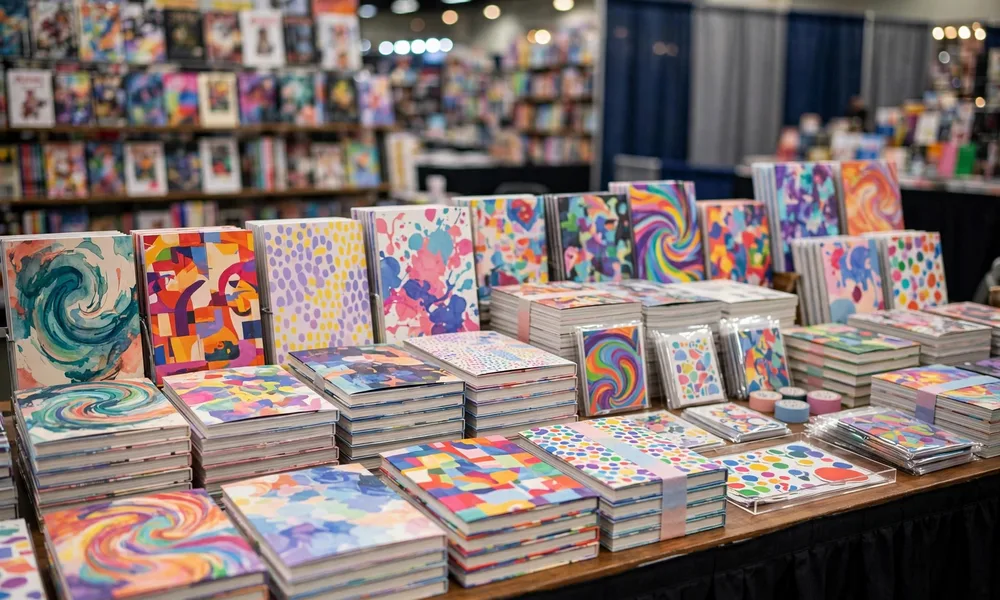
Doujen moe is one of those search phrases that sounds clear to fans and confusing to everyone else. Type it into a search engine and you will find art sites, fan pages, and long explainers that do not always agree with each other. So what does the phrase really mean, and where did it come from?
The simple answer is that doujen moe is an informal, often misspelled phrase built from two real Japanese pop culture words: doujin and moe. It is not an official brand, genre label, or company name. Once you understand those two root words, the whole phrase becomes easy, and this guide explains both in plain language.
Quick Facts
| Item | Detail |
|---|---|
| Phrase | doujen moe |
| Status | Informal search phrase, not an official term in Japanese |
| First root word | Doujin, meaning self published works by fans or small groups |
| Second root word | Moe, meaning a warm feeling of affection for fictional characters |
| Related spelling | Doujin moe, doujinshi for self published publications |
| Common linked topics | Fan manga, fan art, indie games, art books, fan conventions |
| Well known doujin event | Comiket, or Comic Market, in Japan |
| Official definition | None, meanings vary by site and community |
The Two Words Behind the Phrase
Start with doujin. In Japanese fan culture, doujin refers to works made and published by fans or small independent groups rather than by large companies. The most famous form is doujinshi, which are self published books, usually manga, but doujin work also includes novels, music, art books, and even video games. Creators often work in small groups called circles, built around a shared interest.
Now add moe. Moe is a Japanese slang word for the strong, warm feeling of affection a fan feels toward a fictional character. Fans use it when a character feels cute, gentle, or easy to care about, and the feeling is about fondness and protectiveness rather than about story quality alone. The word became widely used in anime and manga fandom in the late 1990s and early 2000s as that culture spread around the world.
Put the two together and doujen moe points to self published, fan made work built around cute and much loved characters. The spelling doujen is best read as a common typing variation of doujin. It is not a separate Japanese word, which is why searches for it lead to such mixed results.
A Short History of Doujin Culture
Doujin culture in Japan is much older than the internet. Self published writing circles existed in Japan from the late 19th and early 20th centuries, and the habit of making and sharing your own work grew slowly through the century. In the 1970s and 1980s, manga fans took the idea much further, printing their own comics and trading them at fan events.
The best known of those events is Comiket, short for Comic Market, which began in 1975 and grew into the largest fan convention of its kind in the world. At Comiket, thousands of circles sell their doujinshi directly to readers. Some of those creators later became professional artists, which shows how seriously this fan world takes craft and practice.
When anime and manga spread across the world in the 1990s and 2000s, doujin habits spread with them. Fans outside Japan began making their own comics, art books, music, and games, and sharing them at conventions and later online. Famous independent works showed how far the model could go. The Touhou Project games, for example, began as doujin work and built a huge global following.
What Fans Actually Make and Share
Under the wide doujen moe umbrella, fans make many kinds of work. The most common is fan manga that tells new stories with well loved characters, or short comics that show quiet, everyday moments the official series never covered. Fan art books collect drawings in a moe style, with soft colors, expressive faces, and gentle scenes.
Other fans write fan fiction and light novels, compose music albums inspired by a series, or build small indie games. Some works are based on existing anime, manga, or games, and some are fully original, with new characters drawn in the same cute and emotional style. What joins all of them is the method: the work is made by fans, for fans, outside the normal publishing system.
Sharing happens in many places. Creators sell printed books at conventions, post art in online communities, and release digital work through fan platforms and social media. Readers support the work because it feels personal. A doujin story is shaped by one artist’s love for a character, not by a marketing plan, and that personal touch is the heart of its appeal.
You may also read: Who Is Nichole Beattie? All About Michael Rapaport’s Ex-Wife
Why the Search Term Is So Confusing
The confusion starts with spelling. Because doujen is not the standard spelling of doujin, search engines return a mix of pages about doujin culture, pages about moe style art, and pages about older fan websites that used similar names. Some older sites with names close to doujin moe were content sharing sites, and their history adds another layer to the results. A new reader can easily think these are all the same thing. They are not.
There is also no official body that defines the phrase. No studio, publisher, or dictionary has given doujen moe a fixed meaning. Blog writers fill the gap with their own readings, and each new explainer repeats the phrase a little differently. That is why one site calls it an art movement, another calls it a website, and a third calls it a style.
The careful way to use the term is to treat it as a pointer, not a definition. If a page uses doujen moe, check what it is actually showing: fan manga, fan art, a game, or a download library. The content tells you the meaning in that case. And if a site asks for downloads or sign ups, check that it is a known and trusted place, and respect the work of the original creators and rights holders when you read or share fan work.
How the Internet Changed Fan Creation
Printing and conventions once set the limits of doujin life. A circle saved money, printed a small run of books, and sold them face to face at an event. That system built strong local communities, but it also meant a work could reach only the people in the room that day.
The internet removed that limit. Artists now post single drawings, short comics, and songs that can reach readers in many countries within hours. Fans outside Japan, who once could only import printed books, can now follow circles directly, support digital releases, and publish their own work beside the creators they admire. The moe feeling travels just as easily, because a cute character drawing needs no translation.
This wider reach also changed the tone of the work. Online fan art often favors soft, quiet, everyday scenes over big action moments, because those scenes are easy to share and easy to feel. That gentle, personal style is what many newer explainers are describing when they use spellings like doujen moe or dojen moe, even if they present it as a brand new trend rather than a long fan tradition.
FAQs
Is doujen moe an official Japanese term?
No. Doujin and moe are real and well documented words in Japanese fan culture, but doujen moe as a combined phrase is informal. Doujen is best understood as a common spelling variation of doujin used in online searches.
What is the difference between doujin and doujinshi?
Doujin is the wider idea of self published work by fans or small groups. Doujinshi usually refers to the printed publications themselves, most often self published manga or books sold at events like Comiket.
Does moe only mean cute characters?
Not only. Cute design is a big part of it, but moe is mainly the feeling: affection, warmth, and a wish to protect a character. Fans can feel moe for characters with many different looks and personalities.
Is doujin work legal?
Doujin culture has a long history in Japan, where many rights holders tolerate fan work sold in small runs at events. Rules differ by country and by series, so creators and readers should check the guidance of each rights holder and each platform.
Final Thoughts
Doujen moe becomes simple once you split it into its parts. Doujin is the world of self published fan work, and moe is the feeling of affection for fictional characters. Together, in this informal and often misspelled search phrase, they point to fan made manga, art, music, and games built around characters people truly love.
There is no official definition, no single website that owns the term, and no fixed rules, and any page that claims otherwise is going beyond the facts. What is real is the culture behind it: decades of fans making their own work, sharing it at events like Comiket and online, and keeping beloved characters alive in new stories. That creative habit, more than the spelling, is what the search is really about.