Why Is Beit Bart So Interesting? Meaning History and More
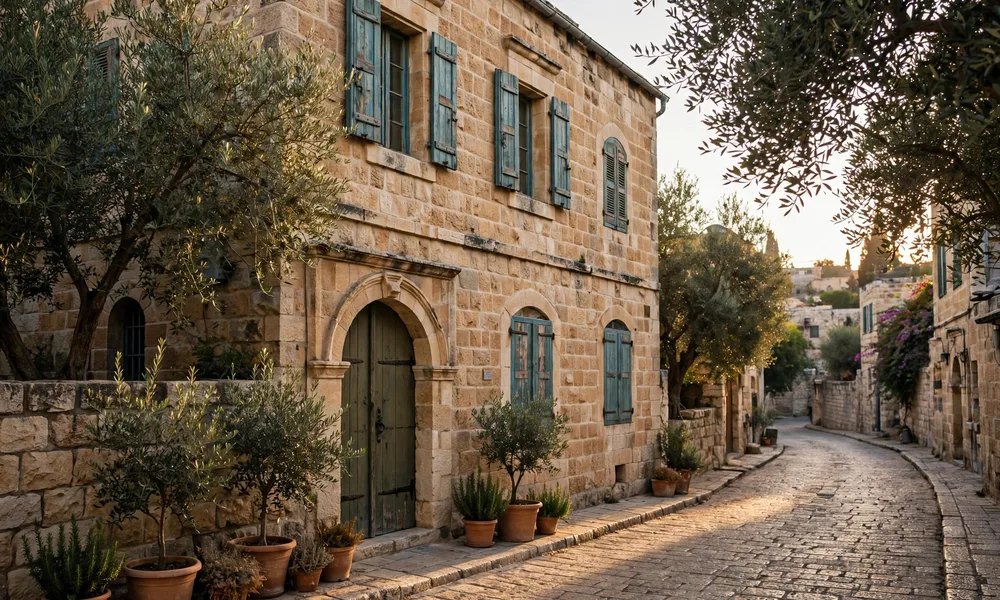
Beit Bart is interesting for a simple reason. Behind a short name sits a real place in Jerusalem, a much older idea about what a house means, and a lot of confused writing online that mixes the two together. Sorting out which is which makes the story far richer.
In Hebrew, beit means house. In Jerusalem, Beit Bart, also listed as Beit Barth in some directories, is a residence for older people at 56 Hebron Road. Around that real address, the name also carries the wider meaning of home, family, and belonging that the word beit has held for thousands of years.
Quick Facts
| Detail | Information |
|---|---|
| Name | Beit Bart, also listed as Beit Barth |
| Meaning of beit | House or home in Hebrew |
| Location | 56 Hebron Road, Jerusalem, in the Baka area |
| Type of place | Residence for independent older people, with some chronic care rooms in listings |
| Community character | Religious, described in listings as a Dati Leumi community |
| Listed facilities in directories | Residential units of various sizes, close to shops and bus routes |
| Documented in print | Mentioned in a 1994 Jerusalem Post notice at the same address |
The Meaning of the Name
Beit is one of the most common building blocks in Hebrew place names. It means house, but it can also mean household, family, or the people who live together under one roof. That wider sense is why the word appears in so many names across the region, from towns to schools to community buildings.
You can see the pattern in familiar names. Bethlehem combines beit with lehem, bread, and is often read as house of bread. Beit Jala, a town near Jerusalem, follows the same structure. In each case, beit says this is a place defined by a home, a family, or a purpose.
The second part, Bart, is less clear. In Israeli naming practice, a building is often named for a person or family who founded it, funded it, or is being honoured by it. Bart is most likely such a personal or family name. Some online articles try to give Bart a deep ancient meaning, but no solid source confirms those claims, so they should be read as guesswork rather than fact.
Together, Beit Bart most plainly reads as the house of Bart, or the Bart home. That simple reading fits the place itself, a home in the full sense of the word, not just a building with rooms.
A Real Home on Hebron Road
Unlike many names that appear in search results with no address behind them, Beit Bart can be found in retirement and community directories for Jerusalem. Those listings place it at 56 Derech Hebron, or Hebron Road, in the southern part of the city near the Baka neighbourhood. Baka is a historic residential area known for its stone houses and quiet streets.
Directory listings from the Association of Americans and Canadians in Israel describe Beit Barth as offering residential units of various sizes for independent seniors, with a few rooms available for chronic care. They also note that it is close to shopping centres and buses, a practical detail that matters a great deal for older residents who still run their own daily lives.
The same listings describe a religious community with a Dati Leumi character. Dati Leumi refers to religious Zionist Jews who combine observance of Jewish law with participation in modern Israeli life. For residents, that means the home is not only a place to live, but a community that shares values, holidays, and daily rhythms.
This kind of home sits between full independence and a nursing home. In Israel, that middle model is often called protected housing. Residents keep private apartments and their own routines, while support, company, and a safety net are close at hand. Listings present Beit Bart in that spirit, as a home for people who are mainly independent.
Signs of a Long History at the Address
One of the clearest early traces is in print. A notice in The Jerusalem Post in December 1994 mentions a memorial evening to be held at Beit Bart, 56 Hebron Road. That single line proves the home was active at the same address more than three decades ago, and that it already served as a gathering place for its community.
Older retirement guides for Israel also list Beit Bart at the same address with Jerusalem phone numbers from that period. The details in those guides match the later directory listings, which suggests a steady, continuous presence rather than a new venture using an old sounding name.
The full founding story, however, is not well documented in public English sources. The exact year it opened, the identity of the Bart it is named for, and the group that first built it are not confirmed in the sources found for this article. Those gaps matter. A careful guide should name them openly instead of filling them with invented dates or founders.
What can be said with confidence is that homes like this grew from a real need. During the twentieth century, many older Jewish immigrants in Jerusalem needed housing that respected their religious life, their language, and their wish to stay independent. Community homes founded by religious movements and charities answered that need across the city.
Why the Idea of Beit Reaches Beyond One Building
Part of the interest in Beit Bart comes from the word beit itself. In the Hebrew Bible and in later Jewish life, a house is rarely just walls. It is a lineage, as in the house of David. It is a place of study, as in a beit midrash. It is a house of prayer, as in a beit knesset, the Hebrew name for a synagogue.
That layered meaning explains why so many online writers reach for big themes when they discuss this name. Home, ancestry, shelter, and belonging are all genuinely inside the word beit. Where those writers go wrong is in treating the theme as the whole story and skipping the real residence in Jerusalem entirely.
For residents of a senior home, those themes are not abstract. A good home in later life really is about belonging. It is about keeping your own door, your own habits, and your own dignity, while knowing that neighbours and help are near. The name Beit Bart expresses that hope in two short words.
The Baka setting adds to this. The area grew in the late nineteenth and early twentieth centuries, with stone homes built along the railway line and Hebron Road. A residence placed there sits inside a neighbourhood that itself feels like a record of Jerusalem family life across generations.
How to Read the Conflicting Stories Online
If you search this name today, you will find articles calling Beit Bart an ancient village, a cultural hub, a design project, and a symbol of Semitic heritage. Most of those pages give no address, no directory listing, and no named source. They repeat each other in different words, which is a warning sign.
The stronger evidence points in a plainer direction. Community directories, a religious community listing site, and a 1994 newspaper notice all agree on the same thing. Beit Bart is a Jerusalem residence at 56 Hebron Road, serving older people in a religious community setting.
That does not make the place less interesting. If anything, the real story is better than the invented one. A working home that has served its community for decades, in a historic neighbourhood, under a name that carries the oldest idea of home, is worth understanding on its own terms.
If you are researching Beit Bart for a family reason, use primary sources. Contact the home or the community organisations that list it, and confirm current services, availability, and terms directly. Directory entries can age, and details such as care options change over time. This article can explain the name and the background, but only the home itself can confirm its present offer.
Visiting and Understanding the Area
Hebron Road runs south from the Old City area through Baka toward Bethlehem. It is one of the older routes in Jerusalem, lined with stone buildings, small shops, and bus stops. Anyone visiting the area will notice how residential it feels compared with the busy centre of the city.
Nearby Baka streets are known for their early twentieth century houses, many built with carved stone details and small gardens. The neighbourhood later became a mixed and creative area, with cafes and community centres alongside long standing religious institutions. A senior residence fits naturally into that calm, lived in setting.
Out of respect, remember that Beit Bart is a private home, not a tourist site. Its interest for most readers will be historical and cultural rather than as a place to tour. The story can be fully explored through the name, the directories, and the history of the neighbourhood itself.
FAQs
What does Beit Bart mean?
Beit means house or home in Hebrew. Bart is most likely a personal or family name, so the name reads as the house of Bart. Claims that Bart has a confirmed ancient meaning are not supported by solid sources.
Is Beit Bart a real place?
Yes. Directories list Beit Bart, also spelled Beit Barth, at 56 Hebron Road in Jerusalem. It is described as a residence for independent older people, with a religious Dati Leumi community and a few chronic care rooms in older listings.
How old is Beit Bart?
It was already active in 1994, when a Jerusalem Post notice gave its Hebron Road address. Its exact founding year and the identity of its namesake are not confirmed in public sources found for this article.
Is Beit Bart a village or an ancient site?
No reliable source supports that. Some recent blogs describe it that way without evidence. The documented Beit Bart is the Jerusalem senior residence, and the wider talk about houses and heritage comes from the general meaning of the word beit.
You may also read: Acamento: The Secret Behind Smooth Strong and Beautiful Things
Final Thoughts
Beit Bart is interesting because two stories meet in one name. One is concrete, a long running Jerusalem home at 56 Hebron Road where older people live independently inside a religious community. The other is linguistic, the deep and generous idea of beit, a house that means family, belonging, and continuity.
Keeping those stories separate, and honest, is the best way to respect both. The real place does not need invented history to matter. A home that has quietly served its community for decades, in one of the oldest cities in the world, is story enough.


