Delta Connection DL3543 Emergency Landing
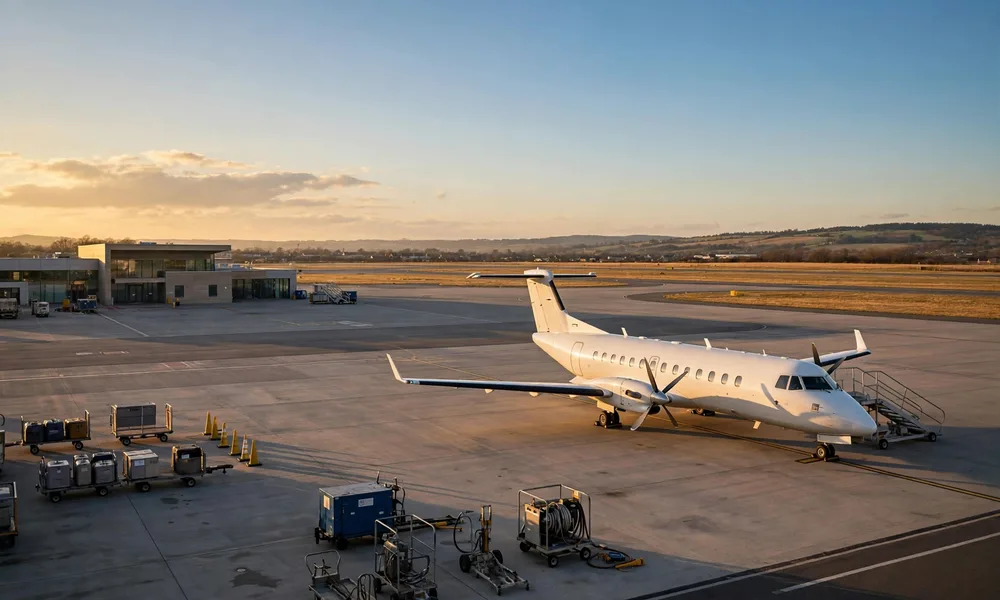
On July 7, 2025, Delta Connection flight DL3543 took off from Minneapolis-Saint Paul International Airport on a short planned trip to Chicago Midway. Minutes later, the crew declared an emergency, turned the aircraft around, and landed back in Minneapolis. Reports of the return agree on the most important point: the aircraft landed safely and no injuries were reported.
Stories like this spread fast online, and details often grow in the telling. This guide sticks to what aviation tracking reports and consistent secondary reporting actually documented, and it clearly marks the points that were never officially confirmed, including the exact cause.
Quick Facts
| Item | Detail |
|---|---|
| Flight | Delta Connection DL3543 |
| Date | July 7, 2025 |
| Route | Minneapolis-Saint Paul (MSP) to Chicago Midway (MDW) |
| Aircraft | Embraer regional jet, registration N259SY, as reported by tracking based reports |
| Emergency signal | Squawk 7700, the general emergency transponder code |
| Action taken | Returned to Minneapolis and landed, reported as Runway 12R, about 37 minutes after takeoff |
| Outcome | Safe landing, normal exit from the aircraft reported, no injuries reported |
| Official cause | Not publicly confirmed in the sources checked for this article |
What Happened, Step by Step
The flight began as a routine regional service. Delta Connection is the regional brand of Delta Air Lines, and its flights are flown by partner regional carriers under Delta flight numbers, using smaller jets on shorter routes. The Minneapolis to Chicago run is one of those short hops, the kind of flight that crews operate many times each week.
According to the tracking based reports that most later accounts follow, the takeoff itself was normal. During the climb, the aircraft levelled off at about 21,000 feet instead of continuing higher. Roughly ten minutes into the flight, the crew decided to return to Minneapolis. They set the transponder to squawk 7700, which tells air traffic control that the flight needs priority handling.
Air traffic control then cleared the way back. AIRLIVE, an aviation news outlet that follows live tracking data, reported that the jet landed on Runway 12R in Minneapolis about 37 minutes after takeoff and taxied to stand C12. Emergency vehicles standing by for an arrival like this are standard practice, not a sign that a crash has happened. Passengers left the aircraft in the normal way, and no injuries were reported in the accounts checked.
One warning is needed here. A small number of low quality pages online describe a completely different DL3543 event, with different cities, a different date and an engine story. A flight number is reused on different days and routes over time, and those pages mix details in a way that cannot be trusted. This article follows only the July 7, 2025 Minneapolis account, because it is the version supported by the tracking report and repeated consistently across the more careful secondary reports.
What Squawk 7700 Really Means
The phrase squawk 7700 sounds dramatic, so it helps to know what it means in plain language. Every airliner carries a transponder, a device that replies to radar and labels the aircraft on controller screens. Pilots enter a four digit code into it. Three codes are reserved worldwide for urgent situations: 7500 for unlawful interference, 7600 for radio failure, and 7700 for a general emergency.
Setting 7700 does not mean an aircraft is falling or that a crash is expected. It means the crew wants priority now. Controllers respond by clearing other traffic aside, offering the nearest suitable airport, and alerting airport rescue and fire services so they are ready at the runway. A medical problem in the cabin, a smoke warning, a fuel concern or a technical alert can all lead a crew to use the code.
In the DL3543 case, the code did its job quietly. It turned a technical worry in the climb into a calm, planned return with help already in place on the ground. Most 7700 events around the world end in exactly this way, with a normal landing that never makes major news. This one drew attention mainly because flight tracking sites display the code in public, and watchers shared it in real time.
What Was the Cause? What Is Known and What Is Not
This is the part of the story where care matters most. Several secondary reports suggested that the alert may have been linked to a pressurisation related indication. Pressurisation is the system that keeps cabin air at a safe and comfortable pressure as the aircraft climbs. If a sensor reports an abnormal reading, crews treat it seriously, because the system protects everyone on board.
However, a suggestion is not a confirmation. In the sources checked for this article, Delta and the aviation authorities did not publish a detailed official cause for the July 7 return. No detailed public investigation report was found that settles the question. For that reason, this guide does not state a cause as fact. The fair summary is that the crew received an indication they were not willing to continue with, reports pointed toward a pressurisation related issue, and the official cause remains unconfirmed in public sources.
Readers should also treat extra dramatic details with doubt. Precise passenger counts, quotes from unnamed passengers, claims of rapid dives and claims of fleet wide groundings appeared in some weaker retellings but were not part of the consistent tracking based account. Where a number or a quote cannot be traced to a solid source, this article leaves it out on purpose. In aviation reporting, leaving a gap is better than filling it with invention.
Why Crews Turn Back Early
To a passenger, turning back ten minutes after takeoff can feel alarming. To a flight crew, it is a trained and normal choice. Pilots work with a simple rule: if a system gives an unclear or abnormal indication early in a flight, the safest place to solve it is on the ground at a well equipped airport. The departure airport is close, its runways and emergency services are known, and its maintenance teams can inspect the aircraft without delay.
Continuing toward the destination would mean flying for much longer with an unanswered question on the flight deck. Landing back at Minneapolis removed that question in minutes. Regional jets like the Embraer used on routes of this kind are built with backup systems and warning systems that are designed to push crews toward early, careful decisions. A precautionary return is the system working as intended, not failing.
There is also a human side. A calm return lets the crew explain the situation, lets the airline rebook travellers on later flights, and lets engineers check the aircraft before it flies again. The cost is delay and disappointment. The gain is that a small indication never gets the chance to become a bigger problem at altitude, far from help.
What This Means for Ordinary Flyers
For most readers, the useful lesson is not about this one flight number. It is about how to read the next emergency headline. First, a declared emergency usually ends safely, as this one did. The code exists so that help is ready early, not because disaster has already happened. Second, early reports often mix confirmed facts with guesses. The route, the return and the safe landing are usually confirmed first. The cause usually comes last, and sometimes is never published in detail for a minor precautionary event.
Third, your own experience on a flight like this would most likely be simple: an announcement from the crew, a turn you may barely notice, a landing with fire vehicles visible from the window, and a normal walk off the aircraft. Those vehicles are a precaution, and crews will tell you so. Staying seated, listening to instructions and leaving bags behind if an evacuation were ever ordered are the only jobs a passenger has, and no evacuation was reported in this case.
Delta Connection services operate under the same federal safety rules and oversight as mainline Delta flights. The DL3543 return fits a pattern seen across the industry every week: a warning appears, the crew chooses the careful option, and the aircraft lands safely. That pattern is worth remembering the next time a short headline tries to make a safe landing sound like a narrow escape.
You may also read: What Is Alaskan Seiti? Taste Health Benefits and Easy Ways to Cook It
FAQs
Did anyone get hurt on DL3543?
No. The consistent reports of the July 7, 2025 return say the aircraft landed safely in Minneapolis and no injuries were reported. Passengers were reported to have left the aircraft normally.
What caused the DL3543 emergency landing?
No detailed official cause was publicly confirmed in the sources checked. Some secondary reports suggested a pressurisation related indication, but that link should be read as reported and unconfirmed, not as a settled fact.
What does squawk 7700 mean?
It is the general emergency transponder code. It tells air traffic control that a flight needs priority handling and that emergency services should be ready. It does not, by itself, mean an aircraft is crashing.
Where was DL3543 flying on July 7, 2025?
The tracking based reports describe a planned flight from Minneapolis-Saint Paul International Airport to Chicago Midway International Airport. The aircraft returned to Minneapolis about 37 minutes after takeoff, according to the AIRLIVE account followed by later reports.
Final Thoughts
The DL3543 story is, in the end, a safety system story with a calm ending. A crew on a short flight to Chicago received an indication they did not trust, declared an emergency with squawk 7700, and brought their Embraer regional jet back to Minneapolis, where it landed safely with no injuries reported. The exact cause was not officially confirmed in public sources, and honest reporting should leave it there. What is confirmed is the part that matters most to the people who were on board: the careful choice was made early, and everyone walked away fine.


