What Is Insoya? A Simple Guide to This Popular Plant Protein
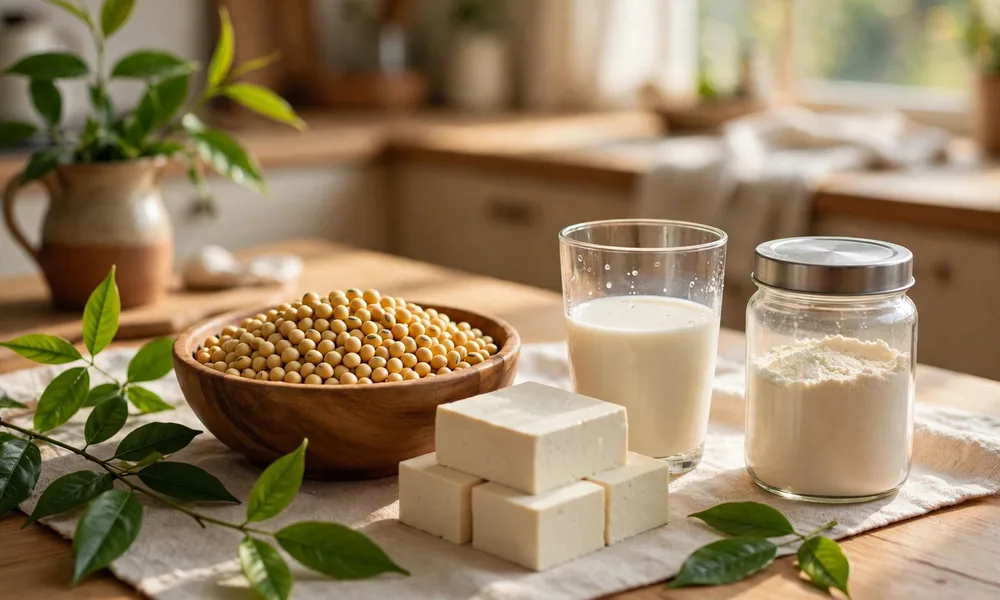
If you have searched for plant protein online, you may have seen the word insoya and wondered what it means. The name is used online for soy based protein products, most often powders that are described as fermented or specially processed to be easy to use in drinks and meals.
This guide explains insoya in simple words. It covers what soy protein is, how fermented soy foods work, how people use these powders, and what to check on a label. One point matters from the start: there is no single public record that confirms one company, one recipe, or one standard product behind the name, so details can change from one seller to another.
Quick Facts
| Item | Detail |
|---|---|
| Name used online | Insoya |
| Main base | Soybeans, a legume grown for food for thousands of years in East Asia |
| Common form described | Protein powder for drinks, smoothies, and cooking |
| Protein type | Soy protein is a complete protein with all nine essential amino acids |
| Suitable for | People who eat a vegan or vegetarian diet, if the label confirms the full ingredient list |
| Company and standard recipe | Not publicly confirmed – products using similar names may differ |
| First check before buying | Read the ingredient list, protein amount per serving, and allergen note for soy |
What Insoya Means in Plain Words
Insoya is best understood as a name used for a modern soy protein product, not as a new plant or a new food group. Soy itself is well known. Soybeans are made into foods such as tofu, tempeh, miso, soy sauce, edamame, and soy milk. Protein powder is one more form of the same basic food.
Online guides that use the word insoya often describe a powder made from soybeans and processed to give a smooth texture and a mild taste. Some of those guides say the soy is fermented. Others describe added vitamins, minerals, or fiber. Because there is no confirmed single maker or standard formula in public records, readers should treat each product on its own label rather than assume that every product with a similar name is the same.
That honest limit does not make the topic hard to understand. The core idea is simple. A maker takes soybeans, removes much of the fat and carbohydrate, and keeps a powder that is rich in protein. That powder is then sold for shakes, breakfast drinks, and recipes where a person wants protein without meat, eggs, or dairy.
Why Soy Protein Gets So Much Attention
Soy stands out among plant foods because of its amino acid mix. Amino acids are the small building blocks that make up protein. Nine of them are called essential because the human body cannot make them and must get them from food. Most plant foods are low in one or more of these nine. Soy is different. Soy protein contains all nine, which is why nutrition sources describe it as a complete protein.
Cooked soybeans are also naturally rich in protein for a plant food. A cup of cooked soybeans can provide close to 29 grams of protein, along with fiber and minerals such as iron, calcium, potassium, and magnesium. Powder forms differ from whole beans because they are processed and often more concentrated, so the amount in one scoop depends on the brand and serving size printed on the pack.
People choose soy protein for many normal reasons. Some follow a vegan diet and want a plant option that covers the essential amino acids in one food. Some cannot use dairy based powders. Some simply like the taste or price. Others want a powder that mixes into foods they already eat, such as oats, soups, or baked goods. None of these reasons needs a bold health promise. Protein is a normal part of a balanced diet, and soy is one well studied way to get it from plants.
What Fermentation Means for Soy Foods
Many insoya guides put strong focus on fermentation, so it helps to know what that word means. Fermentation is a process in which helpful bacteria, yeast, or mold cultures change a food over time. People have used it for a very long time to make foods keep longer and taste richer.
Fermented soy foods are a normal part of food history. Tempeh is made by fermenting whole soybeans into a firm cake. Miso is a fermented paste used in soups and sauces. Natto is a fermented soybean food known for its strong smell and sticky texture. Soy sauce is also made through fermentation. Unfermented soy foods include tofu, soy milk, edamame, and plain soybeans.
Food writers often say fermentation can make soy easier to digest for some people, because the process starts to break down parts of the bean before you eat it. That is a general point about fermented foods, not a promise about one powder. If a seller says its insoya powder is fermented, the label or product page should explain the method and cultures used. If it does not, that claim is unconfirmed for that product.
How People Use Insoya in Daily Meals
The most common use described online is a simple drink. A scoop of powder is mixed with water, milk, or a plant drink, sometimes with fruit, cocoa, or peanut butter for flavor. People often take it at breakfast or after exercise as part of a meal plan, but the timing is a personal choice and not a rule.
The powder form is also easy to add to normal cooking. It can be stirred into oatmeal, pancake batter, muffin mix, soups, and sauces. In baking, it is wise to replace only a small part of the flour at first, because protein powder changes texture and can make food dry if too much is used. A plain or lightly flavored powder usually works better in savory food than a sweet one.
Whole soy foods remain a good base for anyone who likes soy. Tofu takes on the flavor of the sauce it cooks in. Tempeh has a firm bite and works well in stir fry dishes. Edamame makes a simple snack or salad topping. A powder can add convenience on busy days, but it does not need to replace these normal foods. Many people use both, whole foods most of the time and a powder when time is short.
How to Read an Insoya Label With Care
Because product details are not standard, the label is your best source of truth. Start with the ingredient list. A short list that starts with soy protein is easier to judge than a long list full of sweeteners, colors, and fillers. Check whether the powder is soy protein isolate, soy protein concentrate, or whole soybean powder, because those forms differ in protein level and texture.
Next, look at the nutrition panel. Note the serving size in grams, the protein in that serving, and the amounts of sugar, fiber, fat, and sodium. Online articles sometimes quote one example serving, such as about 20 grams of protein in a 30 gram scoop, but that figure is not confirmed for all products and should never be copied from one brand to another. Your pack is the only number that counts for your pack.
Also check the allergen line. Soy is a major allergen for some people, and a soy powder is not suitable for them. Check for added vitamin B12 or vitamin D if that matters to you, and note whether those amounts are listed clearly. Be careful with pages that promise hormone balance, fast weight loss, or disease protection. Those are health claims, and general nutrition information should not be read as a medical promise for any one person.
Price and storage are simple but useful checks. Compare the cost per serving, not just the cost per bag, because bag sizes differ. Store the powder in a cool, dry place with the lid closed, and use it before the date on the pack. If a product has no clear maker name, address, or contact detail, that is a fair reason to choose a better documented brand instead.
Insoya Compared With Other Plant Proteins
Readers often compare soy with pea, rice, and hemp proteins. Pea protein is popular in blends and has a smooth taste, but on its own it is lower in one essential amino acid. Rice protein is mild but also incomplete on its own. That is why many plant blends mix pea and rice together. Hemp provides protein along with fiber and fats, but usually less protein per scoop.
Soy has the advantage of being complete on its own, and it has been used as a food for a very long time. Its weak points are also simple to state. Some people do not like the taste. Some have a soy allergy. Some prefer to eat mostly whole foods instead of powders. None of these points makes one choice right for everyone. The best choice is the one that fits your diet, your budget, your taste, and any advice you have been given by a qualified professional for your own health needs.
There is also an environmental angle that many buyers care about. Plant proteins in general tend to use fewer resources than producing the same amount of protein from meat, though the full picture depends on farming, processing, and transport. Soy is grown in many parts of the world, and buyers who care about sourcing can look for clear origin information on the label.
You may also read: DarlNaija: The Easy Guide to Nigerian Entertainment, Culture, and Online Trends
FAQs
Is insoya the same as normal soy protein?
In basic terms, yes. The name is used online for soy based protein products, often powders described as fermented or specially processed. The base food is still the soybean, and the exact recipe can differ by seller.
Is insoya suitable for vegans?
Soy itself comes from plants, so a pure soy powder fits a vegan diet. Still, check the full ingredient list, because some blends may add dairy based or other ingredients.
Does insoya contain all essential amino acids?
Soy protein is known as a complete protein, which means it provides all nine essential amino acids that the body must get from food. The amount per serving depends on the product and serving size.
Can I cook with insoya powder?
Yes, in general a soy protein powder can be mixed into drinks, oats, soups, and baking. Start with a small amount, because too much can change the texture and make food dry.
Final Thoughts
Insoya is a simple idea wrapped in a modern name. At its heart, it is soy protein, a complete plant protein with a long food history, sold in a handy powder form and often described as fermented. That makes it easy to understand and easy to use in drinks and meals.
The careful part is the detail. No single company, recipe, or nutrition panel behind the name has been publicly confirmed, so bold claims and exact numbers from random pages should be treated with care. Read the label in front of you, check the protein and allergen information, and enjoy soy in its many forms, from tofu and tempeh to a simple shake, as part of a varied and balanced diet.


