What Is Rodwajlery? The Simple Truth Behind This Popular Dog Name
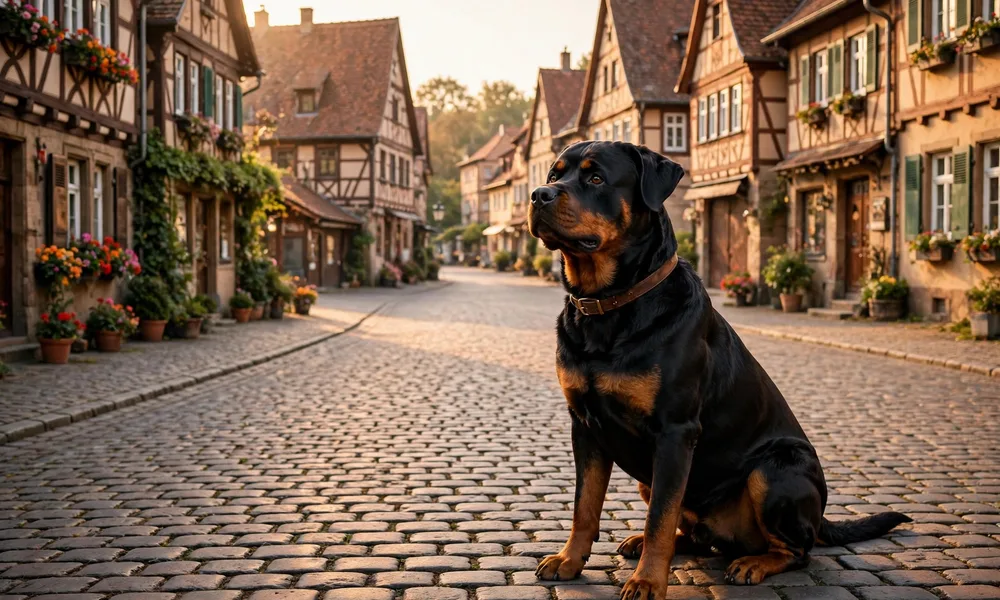
Type rodwajlery into a search box and you will find page after page treating it like a dog breed, with guides on its size, character, training, and care. Here is the simple truth first. Rodwajlery is not the official name of any breed recognised by a major kennel club. It is a popular search and spelling form of one famous breed, the Rottweiler.
That does not make the searches silly. The dog behind the name is real, well loved, and widely kept around the world. This article explains where the odd spelling comes from, what the correct name means, where the breed came from, what these dogs are like to live with, and what a new owner should know before bringing one home.
Quick Facts
| Item | Detail |
|---|---|
| Name searched | Rodwajlery |
| Correct breed name | Rottweiler |
| Official status of rodwajlery | Not an official breed name in kennel club registers |
| Origin of the breed name | The town of Rottweil in Germany |
| Old German name | Rottweiler Metzgerhund, meaning Rottweil butchers dog |
| Group | Working dog |
| Coat | Short, black with tan to mahogany markings |
| Typical lifespan | About 8 to 10 years in many breed guides |
Why People Write Rodwajlery
Rodwajlery looks like a word written the way the breed name sounds. Rottweiler is a German name, and its German sounds are hard to capture in other languages. In English it is often said roughly as rott wy ler. In Polish, dog lovers commonly write the breed name in a sound based way, as rotwajler for one dog and rotwajlery for more than one. Rodwajlery appears to be a further variant of that phonetic spelling, with the letters rearranged by ear.
That explanation is the most likely one, but it should be stated honestly. No dictionary or kennel club source found during research for this article lists rodwajlery as a standard word in Polish or any other language. It is best understood as an informal search spelling that spread online, not as a correct name in any language.
Once a spelling starts ranking in search results, it feeds itself. Small pet sites write guides using the spelling people search for, new readers copy the spelling from those guides, and soon the wrong form looks like an official breed name with its own history. Some of those guides even invent a separate origin story for rodwajlery, as if it were a cousin of the Rottweiler. It is not. Every fact in those guides, size, coat, character, history, is a Rottweiler fact.
So if you are reading about rodwajlery, you are reading about Rottweilers. If you are talking to a vet, a breeder, an insurer, or a kennel club, use the correct name, Rottweiler. It is the name on pedigrees, breed standards, and veterinary records, and using it will save confusion for you and care for your dog.
The Real Name and the Town Behind It
Rottweiler means, in plain terms, the dog from Rottweil. Rottweil is a town in south western Germany, in the state of Baden Wurttemberg. In German, the breed was known as the Rottweiler Metzgerhund, which translates as the Rottweil butchers dog.
That old name tells you the breed job. Butchers and cattle traders around Rottweil used these strong dogs to herd cattle to market, to guard money and goods, and to pull small carts loaded with meat. A dog that could move stubborn cattle in the morning, pull a cart at midday, and guard the house at night had to be powerful, steady, brave, and loyal. Those are still the traits people praise in the breed today.
The breed story is usually traced further back, to the drover dogs that travelled with Roman legions across Europe. Roman armies moved with herds of cattle for food, and their mastiff type dogs herded and guarded the animals. When the Romans settled in what is now southern Germany, dogs of that type stayed, mixed with local dogs, and over centuries became the working dogs of towns like Rottweil.
That Roman link is the traditional account given by kennel clubs, and it is best described as a likely history rather than a document by document record. What is firmly documented is the later story. By the late 1800s, railways had taken over cattle transport, the breed numbers fell sharply, and the dog nearly disappeared. Lovers of the breed in Germany saved it, the first breed club activity began in the early 1900s, and the Rottweiler was recognised as a distinct breed in the early 20th century. The American Kennel Club first registered the breed in 1931.
What a Rottweiler Looks Like and Acts Like
A Rottweiler is a medium to large, heavily built working dog. Breed standards used by major clubs describe males at about 24 to 27 inches at the shoulder and roughly 95 to 135 pounds, and females at about 22 to 25 inches and roughly 80 to 110 pounds. Exact figures vary a little between standards, but every standard agrees on the picture. Broad head, strong jaws, deep chest, and a compact, powerful body built for work.
The coat is one of the most recognised in the dog world. It is short, straight, and dense, always black with clear markings in tan, rust, or mahogany on the cheeks, muzzle, chest, legs, and above the eyes. A long or wavy coat is a fault under the standard. Many pet dogs have docked tails in countries where that is still allowed, while in much of Europe tails are now left natural and full.
Character matters more than looks. A well bred, well raised Rottweiler is calm, confident, loyal, and deeply attached to its family. The breed is intelligent and learns fast, with a natural guarding instinct and a watchful, wait and see attitude to strangers. With its own people, a good Rottweiler is often gentle, playful, and famously devoted, sometimes leaning against a favourite human like a dog three times smaller.
The same strength and protectiveness need respect. A large, powerful, territorial dog that is poorly socialised or harshly handled can become a risk. That is not a reason to fear the breed. It is a reason to choose a careful breeder, socialise a puppy widely and kindly, and train with consistency for the whole of the dog first years, not just for a few weeks.
Living With One: Training, Exercise, and Care
Rottweilers are working dogs in a pet world, and they do best when their brains and bodies both have jobs. Daily exercise, play, and training sessions suit them far better than a whole day alone in a yard. They enjoy obedience work, tracking, carting style games, and other structured activities, and many have served as police dogs, search and rescue dogs, and assistance dogs.
Training should start early and stay positive. Short, clear lessons with praise and rewards work well for this intelligent breed. Harsh methods backfire with a dog this strong and sensitive to its owner mood. Puppy classes, careful meetings with many kinds of people, children, other dogs, traffic, and household sounds all help a young Rottweiler grow into a steady adult.
Everyday care is simple. The short coat needs a weekly brush, with extra brushing when it sheds. Nails, teeth, ears, weight, and food portions need regular attention, as this breed gains weight easily when exercise drops. Like all large deep chested breeds, Rottweilers can face joint and other health problems, so buyers should ask breeders about health testing of parents, and owners should keep up routine vet checks. For any specific health worry, a vet who knows the dog is the right source of advice, not a web page.
One last practical point returns to the name. Local rules about large guarding breeds differ by town, country, housing, and insurance policy. If you are checking such rules, search and ask using the official name Rottweiler, and check the current rules where you live. A search under rodwajlery will mostly find pet blogs, not the official information you need.
You may also read: RWU UAR: The Complete Guide to Its Meaning, Applications, and Future
FAQs
Is rodwajlery a separate breed from the Rottweiler?
No. No major kennel club recognises a breed called rodwajlery. It is an informal phonetic spelling people use when searching for the Rottweiler, and guides written under that name describe the Rottweiler.
What does the name Rottweiler mean?
It means the dog from Rottweil, a town in Germany. The old full name, Rottweiler Metzgerhund, means Rottweil butchers dog, after the butchers and cattle traders who used the dogs to herd cattle and pull carts of meat.
Are Rottweilers good family dogs?
A well bred and well socialised Rottweiler is known as a loyal, calm, and affectionate family dog. Because the breed is large, strong, and protective, early socialisation, kind consistent training, and sensible supervision with children are essential.
How big does a Rottweiler get?
Breed standards describe males at about 24 to 27 inches tall and 95 to 135 pounds, and females at about 22 to 25 inches and 80 to 110 pounds. Pet dogs can fall a little outside those ranges.
Final Thoughts
Rodwajlery is a spelling, not a breed. Behind the jumbled letters stands one of the oldest and most respected working dogs in the world, the Rottweiler of Rottweil, the butchers dog that herded cattle, pulled carts, and guarded families.
Knowing the simple truth helps everyone. Searchers find better information, owners talk clearly with vets and breeders, and the dog itself gets judged on its real history and character, not on a typing mistake. Call it by its true name, raise it with patience and training, and the Rottweiler will show you why its fans have stayed loyal for more than a hundred years.


