What Is Tracqueur? Simple Meaning Uses and How It Works in 2026
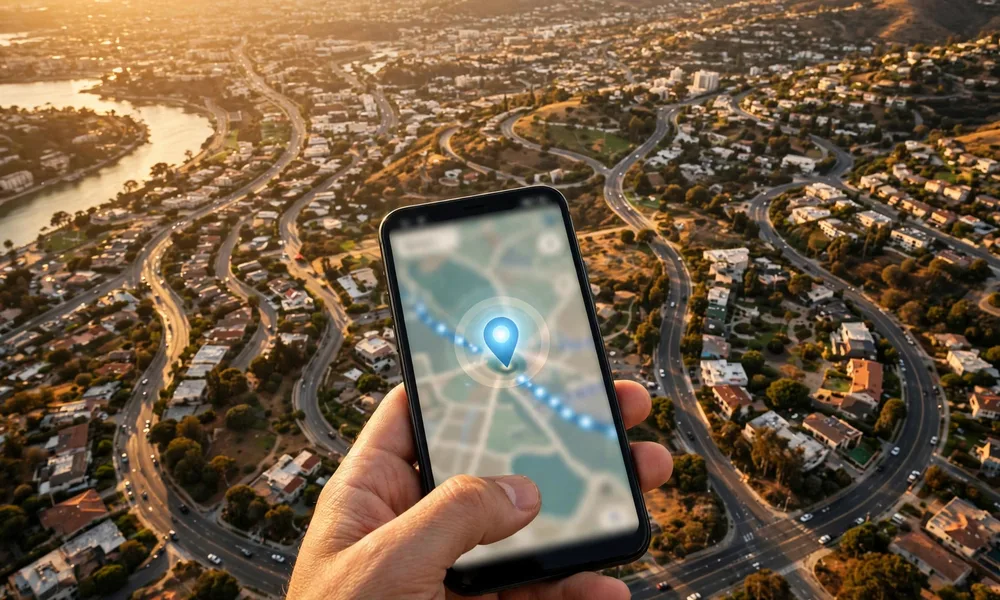
If you have seen the word tracqueur online and felt unsure what it means, you are not alone. The word looks technical, it appears in articles about GPS, websites, fitness and security, and it is rarely explained in one clear place. In simple terms, a tracqueur is a tracker, a device, system or software that follows location, movement or activity.
This guide gives the simple meaning first, then explains the main types, how the technology works step by step, where it is used in daily life in 2026, and what to check for privacy and safety. It also marks clearly where the word itself has no single official definition.
Quick Facts
| Item | Detail |
|---|---|
| Simple meaning | A tracker, something that follows location, movement or activity |
| Closest standard word | Traqueur, the French word for tracker |
| Spelling note | Tracqueur is a variant spelling seen in English language web content |
| Single official product | No single standard product or company defines the term |
| Main forms | Physical devices, software, web tracking tools and wearables |
| Core signals used | GPS and other satellite systems, Bluetooth, Wi-Fi, mobile networks and RFID |
| Common uses | Vehicles, parcels, pets, luggage, fitness, fleet work and website analysis |
| Key caution | Tracking raises consent and privacy duties for the person doing the tracking |
The Simple Meaning Of Tracqueur
The word tracqueur is best understood as a variant of the French word traqueur, which means tracker or a person or thing that tracks. Language sources that list the French word for tracker give traqueur. English web articles then use the spelling tracqueur, with a c, for the same broad idea. There is no separate dictionary science behind the extra letter.
That matters because tracqueur is not the name of one invention. It is a general word for a whole family of tools. A small GPS unit in a van, a Bluetooth tag on a set of keys, a fitness band on a wrist and a piece of website code that records clicks can all be described as a tracqueur in this broad online use, even though they work in very different ways.
In older and more literal use, a tracker could also be a person, such as a skilled person who follows animal tracks or a missing person by signs on the ground. Modern online use has moved the word firmly toward technology. When most sites say tracqueur in 2026, they mean a system that collects data and reports it to an app, a dashboard or another system.
Readers should therefore ask one question whenever they meet the word. What is being tracked here, a place, a movement or a behaviour? If an article cannot answer that question, it is using the word as a buzzword. A real tracqueur always has a clear subject, a clear signal and a clear place where the data goes.
The Main Types Of Tracqueur
Physical location trackers are the most familiar type. They use satellite positioning to report where a vehicle, parcel, pet or piece of equipment is. Fleet companies use them to plan routes and check delivery times. Families use small versions for luggage or for a car, and pet owners use collar versions that are made to be light and water resistant.
Short range trackers work in a different way. Bluetooth tags do not usually know their own place in the world. Instead, they send a short signal that nearby phones or fixed receivers can pick up, and the system estimates the place from those contacts. That makes them useful for keys, bags and tools inside a home, office or airport, but less useful alone in an open rural area.
Wearable trackers focus on the body and daily activity. Fitness bands and smart watches record steps, workouts, heart rate patterns and sleep periods, depending on the model and the settings the user allows. Their job is not mainly to map a car or a parcel. Their job is to turn movement and body signals into a daily record that the user can review.
Digital tracqueurs work online. Websites and apps use tools such as cookies, local storage and analytics scripts to record visits, clicks, time on a page and paths through a site. Site owners use that data to fix faults, count readers and understand which pages help people. Advertisers also use tracking data, which is why consent banners and privacy settings have become a normal part of web life.
How A Tracqueur Works Step By Step
Most physical systems follow the same four steps. First, the device senses something. That may be a satellite signal for position, a motion sensor for movement, or a Bluetooth signal from a nearby receiver. Second, the device prepares a small data record, such as place, time, speed, battery level or temperature, depending on what it is built to measure.
Third, the device sends that record. It may use a mobile network such as LTE-M or NB-IoT for low power wide area sending, standard mobile data, Wi-Fi, Bluetooth to a phone, or in special cases a satellite link. Small tags often send only to a nearby phone, which then passes the place onward. Larger vehicle systems send directly and more often.
Fourth, a platform receives the data and shows it in a useful form. That is usually a map, a route history, an alert or a report inside an app or web dashboard. Modern systems can add rules, such as a geofence alert when a vehicle leaves a set area, a movement alert when a parked asset starts to move, or a low battery warning before a device goes silent.
No single signal is perfect in every place. Satellite positioning is strong outdoors and weaker inside buildings or tunnels. Wi-Fi and mobile signals help in cities and indoors but are less precise. Bluetooth is precise at short range but needs receivers nearby. Good systems combine signals and sensors to smooth gaps, which engineers call sensor fusion. Understanding those limits prevents false trust in a dot on a map.
Everyday Uses In 2026
Transport and delivery remain the largest everyday use. Businesses track vans, trucks and shared vehicles to plan work, prove delivery times, protect fuel use and respond when a vehicle breaks down. Delivery firms also track high value parcels at the box or pallet level, so a customer service team can answer where an order is without guessing.
Personal safety and finding lost items are the most visible home uses. A tag in a suitcase can save a holiday when luggage goes to the wrong airport. A tracker in a bike or tool box can help an owner share a last known place with police after a theft. Parents and carers sometimes use location sharing for children or vulnerable adults, a use that needs clear agreement and care within the family.
Health and sport form another large area. Runners, cyclists and walkers use wearable and phone based tracking to record distance, pace and training load. Teams and coaches use position tracking in training to study movement. These are activity records, not medical diagnoses, and readers should treat app scores as general information rather than health advice.
On the web, tracking supports basic functions as well as marketing. A site may track a login session so you stay signed in, remember items in a basket, or count how many people read an article. The same family of tools can also build advertising profiles. That dual use is why law and platform rules in many places require clear notice, consent choices and limits on how long data is kept.
Privacy, Consent And Staying Safe
Tracking is powerful because it deals with place and behaviour, two sensitive kinds of information. Tracking your own car, bag or pet is normally a personal choice. Tracking another person, their car or their belongings without their knowledge can breach trust, platform rules and, in many places, the law. This article gives general information only and is not legal advice for any single case.
Before you buy or switch on any tracqueur, check four things. Check what data it collects and how long the company keeps it. Check who can see the data and whether you can delete it. Check whether the device needs a subscription for mobile sending, because many GPS systems charge a service fee while many Bluetooth tags do not. Check how the company handles security updates and account protection, including strong passwords and two step sign in where available.
Modern phones also help people detect unknown trackers. Recent iOS and Android systems support alerts for unfamiliar Bluetooth trackers that appear to move with you over time, regardless of brand, and they give steps to find and disable the device. If you receive such an alert, follow the phone instructions and, if you feel unsafe, contact local police or a trusted support service rather than confronting anyone alone.
Good tracking practice is simple to state. Track only what you have a clear right and reason to track, tell people who are affected, collect no more data than the job needs, review access often and delete old records. Used in that way, a tracqueur is a helpful tool. Used without consent or care, the same tool can cause real harm.
You may also read: Printely: The Smart Online Printing Platform Everyone Is Talking About
FAQs
What does tracqueur mean in simple words?
It means a tracker. In current online use it describes a device, system or software that follows the location, movement or activity of a person, vehicle, animal, object or online user. It is a variant spelling linked to the French word traqueur, meaning tracker.
Is a tracqueur the same as a GPS tracker?
No. GPS tracking is one type of tracqueur. The broader word also covers Bluetooth tags, Wi-Fi and mobile based location, RFID systems, wearable activity trackers and web tracking tools such as cookies and analytics scripts.
Does a tracqueur need a subscription?
Many do not, and many do. Bluetooth tags usually work without a monthly fee, while GPS trackers that send over mobile networks often need a paid service plan. Always check the full cost, including any app or network fee, before you buy.
Can I track another person with a tracqueur?
Only with clear consent and a lawful reason, and rules vary by place. Tracking a person or their property in secret can be unlawful and unsafe. This guide is general information, not legal advice. If you are unsure, check local rules or seek proper advice first.
Final Thoughts
Tracqueur sounds complex, but its meaning is simple. It is a tracker in its many modern forms, from a satellite unit in a truck to a small tag on a set of keys and a script that counts clicks on a website. The spelling is a variant, the idea is broad, and no single company or product owns the word.
Once you ask what is being tracked, which signal is used and where the data goes, any tracqueur becomes easy to judge. Choose tools that are clear about data, consent and cost, and the technology can save time, find lost items and plan work better in 2026 without costing you control of your own information.


