Trideltathon: Everything You Need to Know About the Historic Race
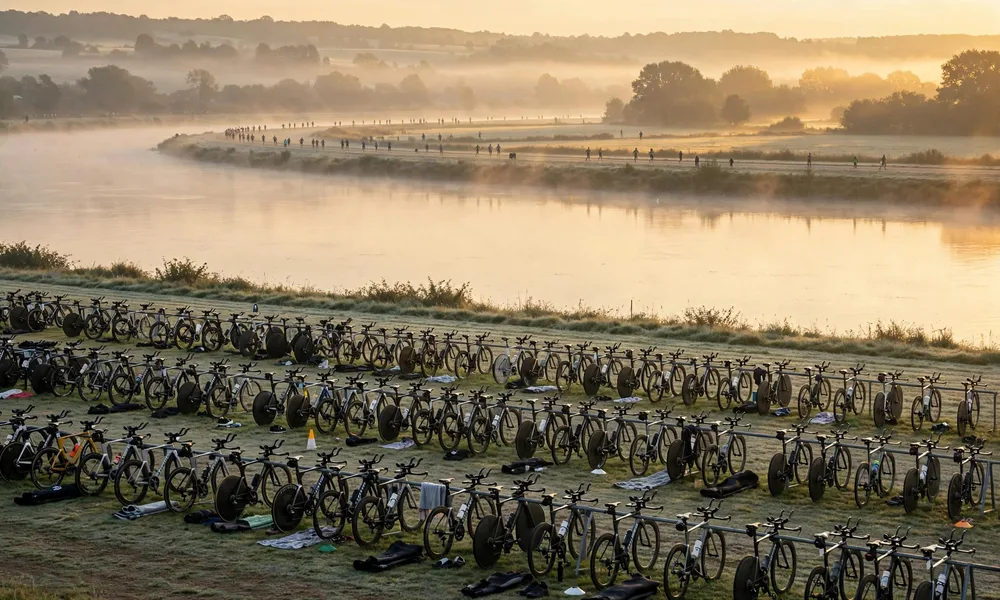
Some races are famous for their size. Others are famous for how long they have lasted. The Trideltathon belongs to the second group. Held in Knoxville, Tennessee, and linked to the Delta Delta Delta sorority at the University of Tennessee, this sprint triathlon has been described as the oldest running triathlon in the United States, a title very few events can even argue about.
In this guide, we explain what the trideltathon is, where it began, why a sorority started a triathlon in the first place, what race day looks like, and why the event still matters to students, athletes, and local families after four decades.
Quick Facts
| Item | Detail |
|---|---|
| Event name | Trideltathon |
| Type | Sprint triathlon, with swim, bike, and run legs |
| Home city | Knoxville, Tennessee |
| Linked to | Delta Delta Delta, known as Tri Delta, at the University of Tennessee |
| First held | 1984, when Tri Delta began the event as a fundraiser |
| First cause | Camp Eagles Nest, a camp for children with cancer and blood disorders, backed by East Tennessee Children’s Hospital |
| Later partner link | Tri Delta began its national partnership with St. Jude Children’s Research Hospital in 1999 |
| Known for | Being described as the oldest continuously running triathlon in the United States |
Where the Trideltathon Began
The story starts in 1984 at the University of Tennessee in Knoxville. The university’s own reference work, Volopedia, records that in 1984 Tri Delta initiated the annual Trideltathon as a fundraiser for Camp Eagles Nest. That camp served children with cancer and blood disorders and was sponsored by East Tennessee Children’s Hospital.
That origin tells you a lot about the event. It was not created by a big race company. It was created by college women who wanted to raise money for sick children, and who picked a hard, cheerful, very public way to do it. A triathlon asks a lot of the body, which made it a fitting symbol for a cause built around endurance and hope.
Tri Delta itself is much older than the race. Delta Delta Delta was founded at Boston University in 1888, on the day before Thanksgiving that year, by four senior women. Its chapter at Tennessee arrived in 1923. So by 1984 the Knoxville chapter had deep roots on campus, strong alumnae support, and the volunteer power needed to stage an event that would keep coming back year after year.
Why People Call It Historic
Triathlon was still a young sport in the early 1980s. The first modern triathlon in the United States had only taken place in San Diego in 1974, and the famous Ironman in Hawaii began in 1978. A campus race founded in 1984 therefore belongs to the sport’s first American generation.
Longevity is the real claim here. Many early triathlons came and went as organizers moved, sponsors changed, or venues closed. The Trideltathon kept its name, its city, and its purpose. When Fleet Feet Knoxville covered the race returning for its 31st year, it called it the oldest running triathlon in the US, and noted a winning time of 40 minutes and 56 seconds by Collin Zimmerman that day, a reminder that a friendly fundraiser can still be a fast and serious race.
A small honesty note is fair here. Exact distances and courses have changed over the decades, as they do for almost every long lived race, and old records are spread across local news, campus sources, and race recaps rather than one single archive. What is well documented is the 1984 start, the Knoxville home, the Tri Delta link, and the charity purpose. Those four facts are the spine of the story.
What the Race Looks Like
The Trideltathon is a sprint triathlon. Sprint is the short format of the sport, built to be hard but reachable. Athletes swim first, then ride a bike, then finish with a run. Between each leg they pass through a transition area, where they swap gear in seconds while the clock keeps running.
Because it is a sprint, the event welcomes two kinds of people at once. Experienced triathletes use it as an early season test of speed. First timers use it as a doorway into the sport, because the distances feel possible with a few months of steady training. Relay teams have also been a common part of sprint racing culture, letting friends split the three legs between them, though readers should always check the current year entry page for the exact formats on offer.
Race morning in Knoxville has its own flavour. Volunteers, many of them students, handle check in, body marking, water stations, and course directions. Spectators line the finish area, cowbells ring, and the last finishers often get the loudest cheers of the day. That mix of campus energy and small city warmth is a big reason athletes return.
The Charity Heart of the Event
From day one, this race was about children facing illness. Camp Eagles Nest, the first cause named in the university record, gave children with cancer and blood disorders a place to simply be children. Fundraising through sport turned training miles into camp places, which is a trade any athlete can feel proud of.
In 1999, Tri Delta as a national organization began its well known partnership with St. Jude Children’s Research Hospital in Memphis, Tennessee. Across the country, Tri Delta chapters raise money for St. Jude through their local events. The Knoxville chapter’s long running race fits naturally inside that wider story, even though its own first cause was a local East Tennessee one. Readers who want the current beneficiary details for a specific year should check that year’s official race or chapter page, since charity links can be updated over time.
This charity heart also explains the tone of the event. Personal bests matter, but so do team costumes, family cheering squads, and the student volunteers who gave up a weekend morning. The Trideltathon has always been a race where the cause is part of the course.
Training for a Race Like This
If the story makes you want to try a sprint triathlon, the good news is that the format rewards consistency more than talent. Most beginners build up over eight to twelve weeks, swimming once or twice a week, riding twice, and running two or three times, with one rest day kept sacred.
The swim is the leg most newcomers fear, so time in the pool matters more than speed work. Practice putting on your helmet with wet hands, running with your bike, and other small transition skills, because free minutes hide there. On the bike, a roadworthy machine, a safe helmet, and one practice ride in your race clothing will prevent most race day surprises.
Above all, train for the finish line feeling, not the clock. The Trideltathon has lasted forty years because ordinary people, students, parents, and weekend athletes, keep deciding that a hard morning for a good cause is a morning well spent. First timers who finish with a smile almost always come back, and that returning crowd is the true engine of a historic race.
You may also read: Tatavel: Is It a Name Website Brand or Something Else?
FAQs
What is the Trideltathon?
It is a sprint triathlon in Knoxville, Tennessee, started in 1984 by the Tri Delta sorority chapter at the University of Tennessee as a charity fundraiser. It is widely described as the oldest running triathlon in the United States.
Why is it called Trideltathon?
The name joins Tri Delta, the short name of Delta Delta Delta, with the ending of words like marathon and triathlon. It marks the race as Tri Delta’s own event.
What cause did the race first support?
University of Tennessee records say the 1984 race raised funds for Camp Eagles Nest, a summer camp for children with cancer and blood disorders, sponsored by East Tennessee Children’s Hospital. Tri Delta later began a national partnership with St. Jude in 1999.
Can beginners enter a sprint triathlon like this?
Yes, sprint distance is the usual starting point for new triathletes. Check the current year race page for entry rules, distances, and team options, train steadily for a few months, and always follow the safety guidance given by the organizers.
Final Thoughts
Historic races earn that word the slow way, one year at a time. The Trideltathon began in 1984 as a sorority fundraiser for very sick children, and it grew into a Knoxville tradition and a small piece of American triathlon history.
Its lesson travels well beyond Tennessee. Pick a good cause, gather willing volunteers, keep the event welcoming, and show up every single year. Do that for four decades, and a simple campus race becomes something no new event can buy: a living tradition.


