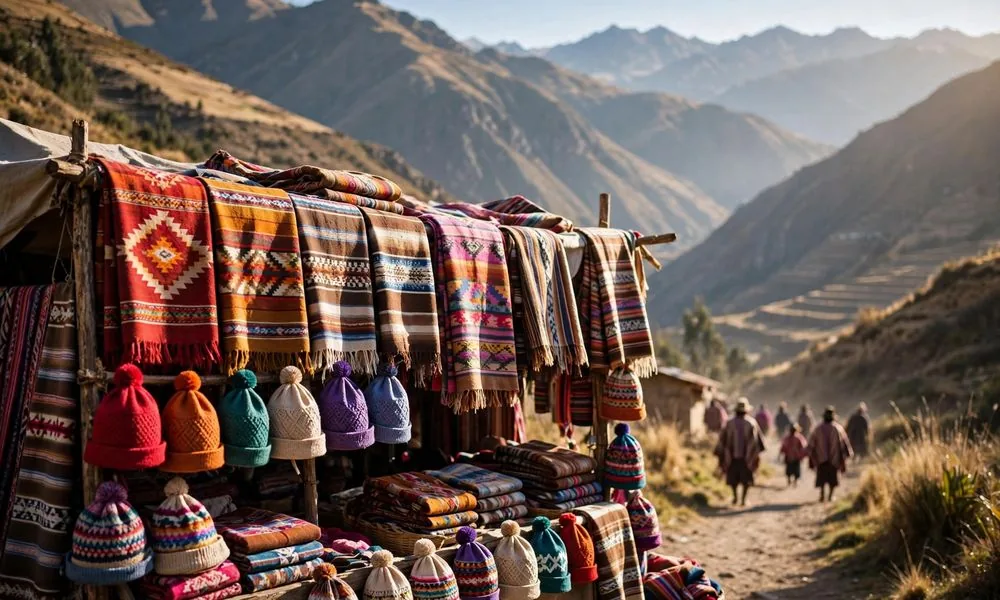
Every now and then, a strange word starts to show up in search results, and no one seems to agree on what it means. Uncuymaza is one of those words. People type it into Google because they saw it on a blog, in a post, or on a list of unusual terms. They want a simple answer. The hard truth is that a simple answer is not easy to find.
This guide looks at uncuymaza in an honest way. It explains what is publicly known, what is only claimed on blogs, and what is still not confirmed by any strong source. If you have seen bold claims about this word, this article will help you sort the facts from the guesses. That matters, because a word can look ancient and wise online even when no real proof stands behind it.
Quick Facts
| Name | Uncuymaza |
|---|---|
| Type | Obscure term searched online, with no verified dictionary meaning found in public sources |
| What It Is | A word described in very different ways by different blogs, with no single agreed meaning |
| Origin | Not confirmed. Many blogs claim a Quechua or Andean origin, but this claim is not backed by a dictionary or scholarly source that readers can check |
What Is Uncuymaza?
So, what is uncuymaza? The most honest answer is short. No one has shown a clear, trusted definition for it. It does not appear with a settled meaning that experts agree on. When you search for it, you find blog posts. Those posts sound sure of themselves. But they do not agree with each other, and they rarely show strong proof.
One blog may call it an old idea about balance and giving back. Another may call it a type of art or weaving. A third may call it a new material. A fourth may call it a deep feeling, like a mood you cannot explain in plain words. These cannot all be the one true meaning at the same time. When sources clash this much, a careful reader should slow down.
That does not mean the word is a joke or a trick. It may have a local use that has not been well recorded. It may be a new word that people are still shaping. It may also be a word that grew online first, before any real meaning was fixed. All of those are possible. But possible is not the same as proven, and this article will keep that line clear from start to end.
Background
To understand the claims, it helps to know a little about the setting they point to. Many posts link the word to Quechua. Quechua is a real family of languages. It is spoken by millions of people in the Andes region of South America, in countries such as Peru, Bolivia, and Ecuador. It has a long history. It was widely used in the time of the Inca Empire, and it is still alive today. None of that is in doubt.
Andean culture also has real, well known ideas about community and the land. One famous concept is often written as ayni. Ayni is about mutual help. One person helps a neighbor today, and that help is returned later. Farming, building, and harvest work were often shared in this way. Another well known word is Pachamama, often linked to Mother Earth. These ideas are real and well documented. You can find them in books, in studies, and in the daily life of Andean towns.
Here is where care is needed. A real culture and a real language do not prove that every word linked to them is also real and old. A blog can take a true setting, like Quechua and the Andes, and place an unchecked word inside it. The setting feels solid, so the word feels solid too. Good readers learn to ask a plain question. Where is the proof for this word itself, not just for the culture around it?
For uncuymaza, that proof is missing in the public sources a normal reader can reach. There is no clear dictionary entry that settles it. There is no university paper that defines it in a way other experts then use. There is no old text quoted with a page number and a date. What there is, mostly, is a chain of recent web pages repeating and reshaping each other.
Why People Search For It
People search for uncuymaza for a few simple reasons. The first is plain curiosity. The word looks unusual. It does not look like a common English word. It has a rhythm that feels old and foreign, and that makes people want to know more. Strange words pull us in. That is human.
The second reason is that the word is shared as if it holds a deep secret. Posts about it often use big, warm ideas. They talk about healing, balance, nature, and the soul. Many readers love words for feelings and states of mind that English does not name well. The Portuguese word saudade and the Japanese idea of wabi-sabi are famous examples of this kind of word. When a new term is sold in the same way, people click, save, and share it.
The third reason is the way the modern web works. When a search term starts to rise, content sites rush to write about it. Each site needs a page that answers the search. If no real answer exists, some sites still write one anyway. They copy a guess, change the words a little, and add new details. Soon there are dozens of pages. The number of pages can look like proof. It is not. It can just mean that many sites chased the same trend.
There is also a fourth reason. Some readers meet the word in art, design, or wellness spaces. In those spaces, a word can be used in a loose, creative way. It can stand for a mood, a style, or a way of working. That kind of use is not wrong on its own. A poet or an artist can use a word in a new way. The problem starts only when a creative use is later sold as an old, proven fact.
Is There a Confirmed Meaning?
No. Based on the public sources that can be checked, there is no confirmed meaning for uncuymaza. That is the center of this whole topic, and it is worth saying in plain words. No trusted dictionary settles it. No strong scholarly source defines it. The claims that fill blog posts are not confirmed claims.
Look at how wide the claims spread. Some posts say it means reciprocity, the give and take between people. Some say it means healing or renewal. Some link it to weaving and textile art. Some describe it as a plant, a place, a material made from farm waste, or even a modern tool or website. A word with one old, stable meaning does not collect this many different lives in a few short years. A word being built in public, by many hands at once, does.
It is also fair to note what the word is not shown to be. It is not shown to be a common Quechua word in standard word lists that readers can open and check. If a Quechua speaker or a language expert later provides a clear source, with a dialect, a place, and a recorded use, that would change the picture. Good information can always update a careful article. Until then, the honest label is unconfirmed.
How can you check a strange word yourself? Start with dictionaries, not blogs. Look for the word in language dictionaries and in books from university presses. Search for it with the name of a university or a museum. Check if the sites that define it name an author, a date, and a source you can follow. Be careful when every page sounds the same but none of them shows proof. That pattern is a warning sign, not a green light.
None of this makes the search a waste of time. Learning that a claim is unproven is real learning. It protects you from passing on a false fact to friends, students, or readers. It also teaches a skill that works far beyond this one word. The web is full of terms that sound deep and old. Some are real. Some are not. The habit of asking for proof works for all of them.
Frequently Asked Questions (FAQs)
What does uncuymaza mean in English?
There is no confirmed English meaning. Different blogs give different answers, such as balance, healing, or reciprocity, but none of these is backed by a trusted dictionary or scholarly source that readers can check.
Is uncuymaza a Quechua word?
Many blogs claim a Quechua origin, but that claim is not confirmed. Quechua is a real language family of the Andes, yet no clear public dictionary entry for this word has been shown. The origin should be treated as unproven for now.
Why are there so many articles about it if the meaning is not confirmed?
When a search term becomes popular, content sites often write pages to match the search, even when solid facts are thin. Pages can copy and reshape each other, which creates the look of agreement where there is none.
Can the word still be used in art or writing?
Yes. Writers and artists can use a word in a creative or personal way. The key is honesty. A creative use should not be presented as an ancient fact unless real proof exists for that claim.
Final Thoughts
Uncuymaza is best understood as a mystery word of the internet age. It draws people in because it sounds deep, old, and full of meaning. Yet when you look for solid proof, the ground is soft. The claims point in many directions at once, and no strong source ties them together.
The respectful way to treat both readers and real Andean culture is to be plain about this. Quechua language and Andean ideas about community and the earth are real, rich, and worth learning about from true sources. This one word, as it stands today, is not in that proven group. If better evidence appears one day, the story can be updated. Until then, curiosity is welcome, and caution is wise.
You may also read: Sascha Ferguson: Everything to Know About Craig Ferguson’s Ex-Wife


