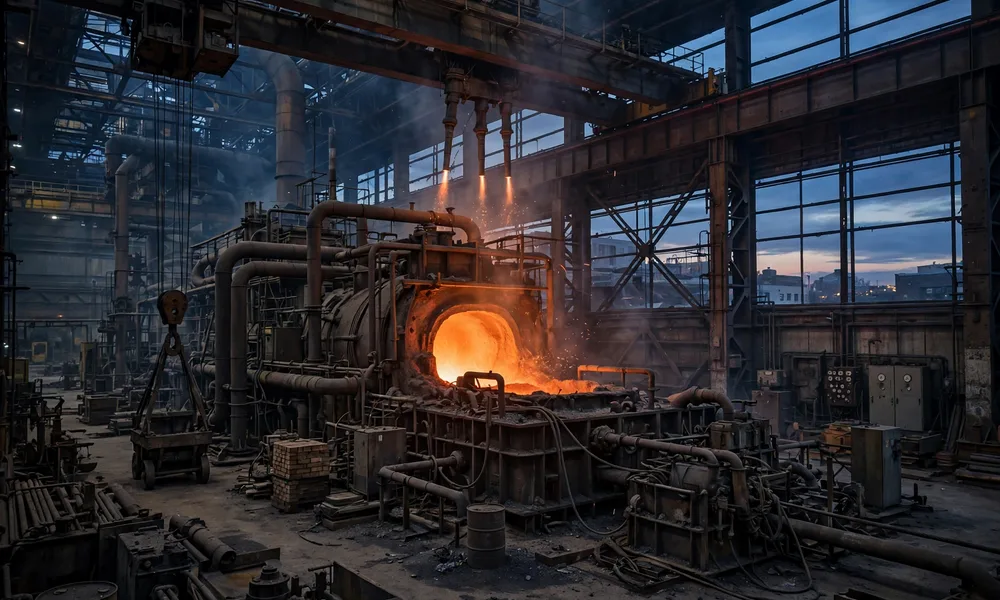
At least 17 workers were killed on Monday, November 9, 2026, when a powerful explosion tore through the HABAŞ Demir Çelik iron and steel plant in Aliaga, about 60 kilometres north of Izmir in Turkey. The blast happened around midday during maintenance work and was followed by a fire that swept through part of the plant. President Recep Tayyip Erdogan first said 16 people had been killed and 13 injured. Health Minister Kemal Memisoglu later said a critically injured worker had died in hospital, which took the death toll to 17. Reports put the number of injured at 12 to 13, with two workers seriously hurt. All of the dead and injured were workers at the plant.
Quick Facts
| Fact | Detail |
|---|---|
| What happened | Explosion and fire at the HABAŞ Demir Çelik iron and steel plant |
| Location | Aliaga district, about 60 kilometres north of Izmir, Turkey |
| Date and time | Around midday on Monday, November 9, 2026 |
| Death toll | At least 17 workers |
| Injured | 12 to 13 workers, two of them seriously or critically hurt |
| Reported cause | Overhead crane fell into an electric arc furnace during maintenance |
| Molten steel spilled | About 120 tonnes |
| Plant owner | HABAS, a privately owned Turkish industrial group |
| Annual capacity | 4.7 million tonnes of steel |
| Investigations | Judicial and administrative investigations opened, detentions reported |
What Happened at the Plant on Monday
The working day at the Aliaga plant began like any other, but it ended in tragedy. Around midday, an explosion shook the plant and a fire broke out near the electric arc furnace. Workers in other parts of the site heard the blast and saw smoke rising from the building. Emergency teams were called, and rescue workers moved in while the fire was still burning.
Parts of the structure had collapsed, and workers were trapped under rubble in the worst hit area. Izmir Governor Suleyman Elban said eight workers were initially trapped after the explosion and some were believed to remain under the rubble during rescue work. Firefighters, medical teams, and search teams worked through the afternoon to reach them.
For the people of Aliaga, a town built around heavy industry and the port, the news hit hard. Many families have a direct link to the plant or to the wider steel and shipbreaking industry. The explosion was not a distant event. It happened in a workplace at the centre of local life, and the loss of 17 workers touched the whole community.
How the Explosion Unfolded
Officials have given a clear account of the chain of events that led to the blast, and the picture is one of a routine job that went badly wrong. Maintenance work was under way at the plant, including a boiler replacement job near the electric arc furnace. An overhead crane collapsed or broke loose and fell into the furnace.
The falling structure struck and damaged natural gas and oxygen pipes in the area. Gas and oxygen are both present in large amounts in a steel plant, and a leak in either pipe can turn a small incident into a major fire. The crane also damaged the furnace itself. About 120 tonnes of molten steel spilled from the furnace.
The water in the furnace’s water-cooled panels then came into contact with the extremely hot metal. When water meets molten steel at that temperature, it turns to steam in an instant and expands with huge force. That contact triggered the explosion. The blast damaged the building, started a fire, and trapped workers in the area. Investigators will now need to work out why the crane fell and whether the maintenance job was planned and supervised in the right way.
The Victims and the Injured
Every person killed in the explosion was a worker at the plant. These were not strangers to the site. They were men who went to work on a Monday morning in a place they knew well, doing jobs they had done before. The death toll rose during the day as the rescue work continued and as injured workers were treated in hospital.
President Erdogan first said 16 people were killed and 13 injured. Later, Health Minister Kemal Memisoglu said a critically injured worker had died in hospital, which took the toll to 17. The BBC and Hurriyet also report 17 dead. The injured count has been reported as 12 by some outlets and 13 by others. Two of the injured were seriously or critically hurt.
The workers who died were killed at their place of work, and the grief in Aliaga and Izmir has been deep. Trade unions and worker safety groups have also spoken out, and a protest was organised in Aliaga on Tuesday evening. The protest was a chance for local people to mourn the dead and to demand answers about safety at the plant. Numbers like 17 dead and 12 to 13 injured can sound abstract, but each number stands for a person with a family, a home, and a life that ended at work.
The Investigation and the Detentions
Public prosecutors and government agencies have opened judicial and administrative investigations into the explosion. The judicial investigation will look at whether any person or organisation broke the law, and whether anyone should face criminal charges. The administrative investigation will look at whether safety rules were followed and whether the plant had the right permits and inspections.
President Erdogan said investigators will examine the circumstances, including whether negligence contributed to the accident. Negligence in a case like this could mean many things, from a failure to maintain the crane to a failure to plan the maintenance work safely. The investigation will need to look at maintenance records, inspection reports, training records, and the decisions made on the day of the accident.
Detentions have also been reported, but the numbers differ between sources. The BBC Turkish service reported five people detained, while Hurriyet reported seven detained. The difference may reflect different stages of the investigation, and it is worth reporting both figures rather than choosing one. Detentions at this stage do not mean that anyone has been found guilty. As the investigation goes on, prosecutors will decide whether to bring charges against any person or company. Readers following major court decisions elsewhere can also read about the Supreme Court ruling that cleared the Big Bend border wall project, a separate case that shows how courts can shape large public projects.
A Plant With a Troubling Safety Record
The explosion at Aliaga did not happen at a plant with a clean safety record. Media reports say 11 workers have died in accidents at the same facility over the past 10 years. Two other workers died at the same facility in recent weeks, in separate incidents that now look very different in light of the explosion.
Hakan Dogan died on October 21 after falling from a height. Eyup Eginli died on November 5 when a heavy-machinery tyre exploded during inflation. That second death happened only four days before the main explosion. A fall from a height and a tyre explosion are both events that can kill, and both raise questions about safety procedures, equipment checks, and training.
The Workers Health and Occupational Safety Assembly, known as ISIG, tracks workplace deaths across Turkey. It says at least 1,736 workers died in work-related incidents in Turkey in the first nine months of 2026. The Turkish Communist Party, known as TKP, described the explosion as a workers massacre and called the plant a factory that grinds people up. HABAS is a privately owned industrial group and one of Turkey’s major steel producers and largest steel exporters. The Aliaga plant has an annual production capacity of 4.7 million tonnes. A plant of this size should have the resources to maintain equipment, train workers, and plan dangerous jobs safely. Industrial change and safety pressure are also in the news in other sectors, including Boeing cutting 5 percent of its commercial airplane workforce. Safety and security risks now reach into everyday systems too, as seen in France blaming Iran for a supermarket fridge cyberattack.
FAQs
What caused the explosion at the HABAS steel plant?
Officials say an overhead crane collapsed or broke loose and fell into an electric arc furnace during maintenance work. The falling crane damaged natural gas and oxygen pipes, about 120 tonnes of molten steel spilled, and water came into contact with the hot metal, which triggered the explosion.
How many people were killed and injured?
At least 17 workers were killed. President Erdogan first said 16 had died and 13 were injured, and the toll rose to 17 after a critically injured worker died in hospital. The injured count has been reported as 12 by some outlets and 13 by others.
Where is the plant and who owns it?
The plant is the HABAŞ Demir Çelik iron and steel plant in Aliaga district, about 60 kilometres north of Izmir. It is owned by HABAS, a privately owned Turkish industrial group and one of Turkey’s major steel producers, with an annual capacity of 4.7 million tonnes at Aliaga.
What happens next after the explosion?
Public prosecutors and government agencies have opened judicial and administrative investigations. Investigators will examine the circumstances, including whether negligence contributed. Detentions have been reported, with the BBC Turkish service reporting five people detained and Hurriyet reporting seven detained. The findings will decide what happens next.
SOURCES
Final Thoughts
The explosion at the HABAS steel plant in Aliaga was a tragedy that could and should have been prevented. Seventeen workers went to work on a Monday and did not come home. Twelve to 13 more were injured, two of them seriously. The official account of a falling crane, damaged gas and oxygen pipes, and molten steel meeting water explains how the blast happened, but it does not yet explain why the crane fell or why the risk was not stopped in time. Those answers will come from the investigation, and they matter more than any single detail in the early reports. The plant’s recent safety record, with two other deaths in the weeks before the explosion and 11 deaths over 10 years, makes those answers even more urgent. Remembering the 17 workers who died means more than mourning them. It means fixing the systems that failed them, and making sure that the next maintenance job, the next crane lift, and the next shift at the plant are planned with their lives in mind.