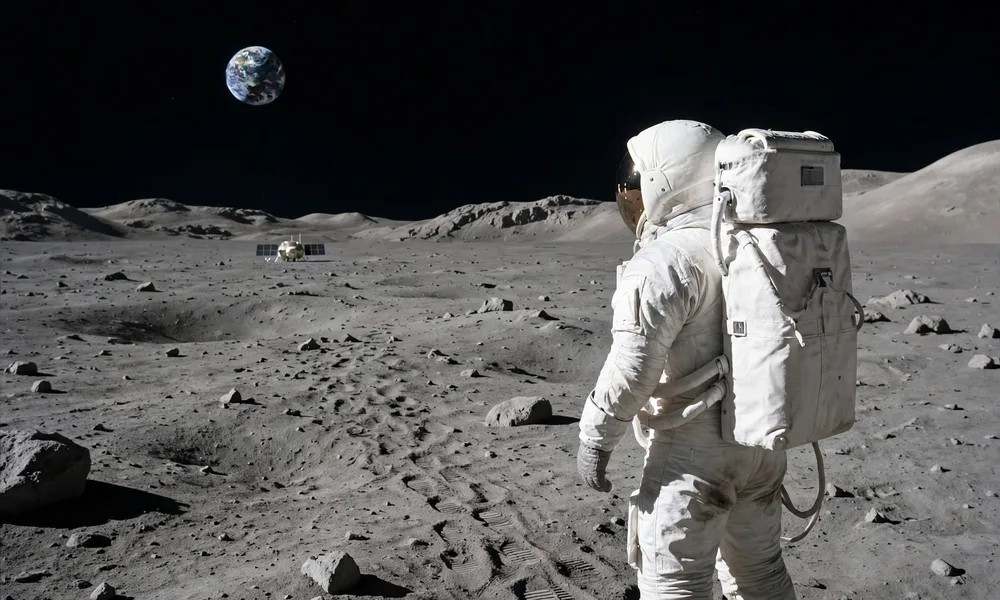
NASA is hiring astronauts to live and work on a Moon base, and the application window is open now. NASA opened applications on Saturday November 7, 2026, for its next astronaut class, the first call for new astronauts since 2024. US citizens can apply through the NASA website at go.nasa.gov/astro2026 until 11:59 p.m. Eastern Time on Thursday December 3, 2026. The starting salary is 164,395 dollars a year. The people selected could walk on the Moon, live and work at the Moon Base, and help build the systems that will one day carry crews to Mars. Final selection is expected in late 2027, followed by about two years of training.
Table of Contents
Quick Facts
| Detail | What to know |
|---|---|
| Applications opened | Saturday November 7, 2026 |
| Application deadline | 11:59 p.m. Eastern Time on Thursday December 3, 2026 |
| How to apply | Through the NASA website at go.nasa.gov/astro2026 |
| Who can apply | US citizens with a postgraduate degree in a STEM field |
| Starting salary | 164,395 dollars a year |
| Final selection | Expected in late 2027 |
| Training | About two years after selection |
| Current active astronauts | 32 |
| People selected by NASA since the 1960s | 370 |
| Last class in 2024 | 10 chosen from more than 8,000 applicants |
| Mission goal | Return humans to the Moon in 2028, the first time since 1972 |
What the New Astronauts Will Do on the Moon
This is not a desk job with a space theme. The new astronauts will test spacecraft and then live and work in a future base on the Moon. They will train for missions landing near the Moon South Pole, a region that matters because it holds promise for long stays and for learning how to live away from Earth for months at a time.
NASA Administrator Jared Isaacman said in a statement released on Saturday that the people selected could walk on the Moon, live and work at the Moon Base, and help pioneer the systems and operations that will ultimately carry crews to Mars. That last part is important. The Moon is not only a destination in this plan. It is a place to practice. The skills learned there, from living in a small base to working in harsh conditions, are meant to prepare crews for a much longer trip to Mars.
The work will start long before any launch. New astronauts test spacecraft, learn systems in detail, and train as a team. They need to understand how each part works and how to fix problems when help is far away. On the Moon, there is no quick trip home.
Living on the Moon also means adjusting to a very different daily life. The base is a workplace and a home at the same time, with limited privacy and comfort. That is why NASA is looking for people who can handle isolation, hard work, and close teamwork.
Who Can Apply
The basic rules are clear. Applicants must be US citizens and hold a postgraduate degree in a STEM field. That means science, technology, engineering, or mathematics at an advanced level. There are also specialized requirements for pilots and doctors, so people in those fields should check the full details on the NASA website before they apply.
In a recent change, NASA now accepts master level nursing degrees as meeting the minimum educational requirement. Spokesperson Anna Schneider told NPR about the change. It is a useful reminder that the astronaut corps is wider than many people imagine. A strong science or medical background can come from more than one route, and NASA has widened one of those routes.
A degree alone is not enough. Candidates must be willing to deploy to space for 12 months or longer. That means accepting extreme isolation, austere living conditions, and separation from loved ones. It is a long time to be away from family, friends, and normal life. Applicants need to think about that part as carefully as they think about the science and the training.
The numbers show how competitive this process is. NASA currently has 32 active astronauts in its corps and has selected 370 people since its missions began in the 1960s. For the last astronaut class in 2024, only 10 candidates were chosen from more than 8,000 applicants. That history does not mean a good candidate should give up. It means the process is slow, careful, and highly selective, and that most applicants will not be chosen.
How to Apply — NASA Is Hiring Astronauts Until December 3
The first step is simple, and the deadline is firm. US citizens have until 11:59 p.m. Eastern Time on Thursday December 3, 2026 to apply through the NASA website at go.nasa.gov/astro2026. Do not wait until the last day if you can avoid it. A late application will not help, and a rushed application is easy to get wrong.
Start by reading the full requirements on the NASA website. Check the education rules, the rules for pilots and doctors, and the health and fitness expectations. Make a list of what you need to provide, and gather those records early. School records, work history, and proof of citizenship are the kinds of details that take time to find, so it is better to collect them now than to search for them on December 3.
Next, write your application in plain, honest language. Describe what you have studied and how you have worked in a team, with real examples. If you have worked in a remote place where you had to solve problems with limited help, say so.
Ask someone you trust to read your application before you send it. A second pair of eyes can catch a missing date, a unclear sentence, or a detail that needs a better example. Then submit through the NASA website and keep a copy of what you sent. If NASA contacts you later, you will want to know exactly what you wrote.
After the deadline closes, the long selection process begins. Final selection is expected in late 2027, followed by about two years of training. That timeline means patience is part of the job from the very start. If you apply now, you should expect a long wait, more checks, and more interviews before any final answer.
Why This Class Matters for the Moon and Mars
This hiring round is tied to a clear national goal. NASA aims to return humans to the Moon in 2028, the first time since 1972. The plan relies on private companies such as SpaceX and Blue Origin to develop spacecraft and delivery systems. That partnership model is now a central part of how NASA plans to get to the Moon and stay there.
At a November 7 press conference on the Artemis III moon mission progress, Isaacman said he was very confident the mission will launch in 2027. Artemis III is the mission linked to the return to the Moon, and the new astronaut class will train for missions landing near the Moon South Pole. The timing of the hiring, the press conference, and the mission planning all point in the same direction. NASA is building the team for the next phase, not just for one flight.
NASA has also opened bidding to eight companies for contracts for future lunar surface delivery missions as part of the second phase of its Commercial Lunar Payload Services program. You can read more about that move in our report on eight firms competing for lunar delivery contracts. Those delivery missions will carry equipment and supplies to the lunar surface, which is exactly the kind of support a Moon base needs to work.
November has been a busy month for space and science news. While NASA looks to the Moon, skywatchers can follow the Southern Taurids fireballs and the new Moon, and world leaders have gathered for the COP31 climate summit opening in Antalya.
Frequently Asked Questions
When is the deadline to apply to become a NASA astronaut?
The deadline is 11:59 p.m. Eastern Time on Thursday December 3, 2026. Applications must be sent through the NASA website at go.nasa.gov/astro2026. NASA opened applications on Saturday November 7, 2026, so the window is less than one month long.
Who is eligible to apply for the new NASA astronaut class?
Applicants must be US citizens and hold a postgraduate degree in a STEM field. There are specialized requirements for pilots and doctors. NASA now accepts master level nursing degrees as meeting the minimum educational requirement. Candidates must also be willing to deploy to space for 12 months or longer.
What is the starting salary for a new NASA astronaut?
The starting salary is 164,395 dollars a year. That figure is the starting pay for the new astronaut class. It reflects a senior professional role with long training, high responsibility, and long periods away from home.
When will the new astronauts be selected and trained?
Final selection is expected in late 2027, followed by about two years of training. After training, the new astronauts will test spacecraft and train for missions landing near the Moon South Pole, and live and work in a future base on the Moon.
Sources
Final Thoughts
NASA is hiring astronauts for a job that few people in history have ever held. The chance to walk on the Moon, live and work at a Moon Base, and help prepare the waya to Mars is real, and the deadline to apply is December 3, 2026. The odds are steep, with only 10 people chosen from more than 8,000 applicants in the last class, but the door is open now for US citizens with the right education and mindset. If you meet the rules, this is the moment to apply.