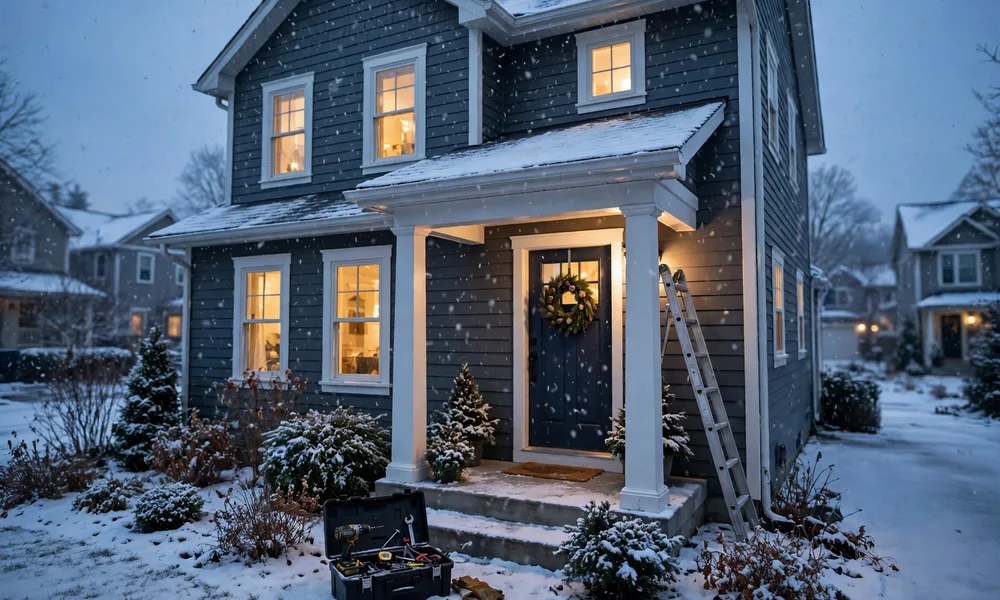
November Home Maintenance: Get Your House Ready Before the First Snow

November is the month when a house quietly asks for attention. The days get shorter, the air gets colder, and the first snow may be closer than it feels on a mild afternoon. Doing a little work now can prevent a lot of trouble later, from icy walkways to cold rooms and burst pipes.
Many fall prep guides, including widely published November checklists from sources such as Bob Vila, share a similar message. Winter problems are easier to stop than to fix. A clean gutter, a sealed gap, or a tested detector takes minutes in November and can save hours of stress in January.
This guide brings those common tasks together in plain English. You do not need fancy tools or a big budget to make progress. Work through the list one section at a time, start with safety items, and call a professional for any job that feels unsafe or beyond your skill.
Think of November maintenance as getting your home ready to rest well through winter. Warm inside, dry outside, safe for your family, and prepared for snow, ice, and holiday cooking.
Quick Facts
| Task area | November job |
|---|---|
| Heating | Install a programmable thermostat and reverse ceiling fans |
| Outside water | Clean gutters, disconnect hoses, winterize outdoor faucets |
| Drafts | Seal gaps with caulk and weatherstripping |
| Safety | Test smoke and carbon monoxide detectors, check fire extinguishers |
| Pipes | Prep pipes for winter cold |
| Yard and snow | Store furniture, mark driveway edges, get snow gear ready |
| Kitchen | Clean cooking appliances before Thanksgiving |
Heating: Thermostats and Ceiling Fans
A programmable thermostat is one of the simplest upgrades for winter comfort. Instead of heating an empty house all day, you set a schedule that matches your life. Lower heat while you sleep or while you are out, and warmer heat when you are home and awake.
The US Department of Energy estimates that you can save about 10 percent on heating by turning your thermostat down 7 to 10 degrees for 8 hours a day. That is a useful rule of thumb, not a promise for every home. Your actual savings will depend on your house, your climate, and your heating system. Still, the idea is clear: small, steady changes add up over a whole winter.
If you install a programmable thermostat, follow the maker instructions carefully. Turn off power to the heating system before you start, label wires if needed, and test the new settings before a cold night. If wiring looks confusing, a heating professional can install it safely in a short visit.
Ceiling fans also deserve a November check. In summer, fans usually spin counterclockwise to push air down and create a breeze. In winter, many fans have a reverse switch. Set the fan to run clockwise on low speed. That gentle motion pushes warm air that has risen to the ceiling back down into the room, without creating a chilly draft. It is a small change that can make a room feel more even and comfortable.
Outside the House: Gutters, Hoses, and Faucets
Clean gutters and downspouts are a top November job. Leaves, twigs, and dirt build up in autumn. When rain or melting snow cannot drain, water can overflow, stain walls, damage foundations, or form ice dams at the roof edge in cold weather.
Clear debris by hand or with a scoop, then flush the gutter with a hose if it is safe to do so. Check that downspouts direct water away from the house, not into a puddle beside the foundation. If you need a ladder, use it safely on firm ground, keep three points of contact, and never lean too far to one side. If your roof is high or steep, hire help rather than taking a risk.
Next, disconnect garden hoses from outdoor faucets. Water left in a hose can freeze, expand, and damage the faucet or the pipe behind it. Drain the hose, coil it, and store it in a garage or shed. Then winterize outdoor faucets following the type you have. Some homes have frost-free faucets, while others need an inside shut-off valve drained. If you are unsure which type you have, check a trusted home guide for your faucet type or ask a plumber.
Store outdoor furniture before snow and ice arrive. Chairs, cushions, and tables last longer when they are clean, dry, and covered or stored under shelter. Wipe surfaces, let cushions dry fully, and stack items in a way that will not trap water. A little care now means less cleaning and fewer repairs in spring.
Seal Drafts and Prep Pipes
Cold air finds small gaps around doors, windows, and pipes. Sealing those gaps with caulk and weatherstripping is one of the cheapest ways to feel warmer. Walk around your home on a windy day and feel for drafts near frames, edges, and basement or attic openings. You can also hold a hand near a gap to sense moving air.
Use caulk for fixed gaps that do not move, such as cracks around window frames. Use weatherstripping for moving parts, such as doors that open and close. Replace weatherstripping that is cracked, flat, or peeling. New strips should press gently against the frame when the door closes, without making the door hard to shut.
Pipes need attention before a hard freeze. Pipes in unheated spaces, such as basements, crawl spaces, garages, and exterior walls, are most at risk. Insulate exposed pipes with pipe insulation or foam sleeves. Seal gaps where pipes enter walls so cold air cannot blow directly on them.
Know where your main water shut-off is before winter. If a pipe does burst, turning off water quickly limits damage. Keep the area around the shut-off clear, and make sure everyone in the home knows where it is. During very cold spells, letting a faucet drip slightly and keeping cabinet doors open under sinks on exterior walls can help in some homes, but follow local guidance for your climate and plumbing.
Safety First: Detectors and Extinguishers
November is a smart time to test smoke detectors and carbon monoxide detectors. Press the test button on each unit. Replace batteries if needed, and replace any detector that is past its maker recommended life or that fails to sound. Place detectors as recommended for bedrooms, hallways, and each level of the home.
Carbon monoxide is a special winter risk because heating systems run more often and homes stay closed up. Consider a low-level carbon monoxide monitor in addition to standard detectors, especially if you use gas heat, a fireplace, or an attached garage. A low-level monitor can alert you to smaller amounts earlier, but it does not replace standard detectors or professional checks.
Check fire extinguishers as well. Make sure the pressure gauge is in the safe range, the pin is in place, and the unit is easy to reach, not buried behind boxes. Review how to use it, and replace any extinguisher that is damaged, expired, or has been partly used. Keep one in the kitchen, and consider one near the garage or workshop if you have one.
Heating safety also means care with space heaters, fireplaces, and candles. Keep space heaters away from curtains and bedding, never leave them running unattended, and have chimneys and heating systems checked as recommended. The holidays bring more cooking and more guests, so clear exits and a working detector plan matter even more.
Get Ready for Snow Before It Falls
Mark driveway edges and sprinkler heads before snow covers them. Stakes, flags, or markers help you, a snow removal helper, or a plow driver see where the driveway ends and where delicate yard items sit. This simple step prevents damaged lawn edges, broken sprinkler heads, and scraped curbs.
Get snow removal gear ready now, not during the first storm. Check shovels for cracks, test a snow blower if you have one, and stock ice melt or sand for walkways. Store gear where you can reach it without climbing over summer items. A clear path to the shovel on a snowy morning is worth more than a perfect storage system in the back of the garage.
Walk your paths and steps with fresh eyes. Look for loose railings, uneven stones, and spots where water pools and could freeze. Fix what you can safely fix, and note larger repairs for a professional. Good lighting on steps and porches also helps on dark winter evenings.
If you hire snow removal, confirm the plan before the season starts. Agree on when they come, where they pile snow, and how to reach them during a storm. If you clear snow yourself, dress warmly, take breaks, and lift with care. Shoveling is hard work, especially in heavy, wet snow.
Kitchen Ready for Thanksgiving
Thanksgiving puts the kitchen to work, so November is the right time to clean cooking appliances. Clean the oven, stovetop, and range hood filters. Wipe spills that could smoke or smell when heated. Check that burners light evenly and that oven seals close properly.
Clean the refrigerator too. Toss expired items, wipe shelves, and make room for holiday food. A clean fridge cools better and makes cooking day less stressful. Check small appliances you plan to use, such as mixers or slow cookers, and replace worn cords or damaged parts.
While you clean, check kitchen safety basics. Keep towels and paper away from burners, keep a lid nearby for a pan fire, and never use water on a grease fire. Review the location of your kitchen extinguisher, and make sure guests know not to block exits with coats or bags.
FAQs
What is the most important November task?
Safety comes first. Test smoke and carbon monoxide detectors, check fire extinguishers, and make sure heating systems are working. After safety, focus on gutters, outdoor water, drafts, and pipes, because those jobs prevent winter damage.
How much can a programmable thermostat really save?
The US Department of Energy estimates about 10 percent heating savings by turning thermostats down 7 to 10 degrees for 8 hours a day. Actual savings vary by home, climate, and heating system, so treat it as a guide, not a guarantee.
Which way should ceiling fans spin in winter?
Reverse most ceiling fans to run clockwise on low speed in winter. That setting gently pushes warm air down from the ceiling without creating a strong draft.
Should I do all of this myself?
Many tasks, such as cleaning, sealing gaps, and testing detectors, are fine for most homeowners. For roof work, electrical work, heating repairs, or any job that feels unsafe, hire a qualified professional. Safety is more important than finishing the list.
Final Thoughts
November home maintenance is not about perfection. It is about preparation. Clean the gutters, disconnect the hoses, seal the drafts, test the detectors, prep the pipes, and get snow gear ready. Clean the kitchen, mark the driveway, and store the furniture before winter sets in.
Work through the list at a steady pace, one weekend at a time if needed. Your future self, warm inside on a snowy night, will be glad you did the work while the weather was still on your side.
