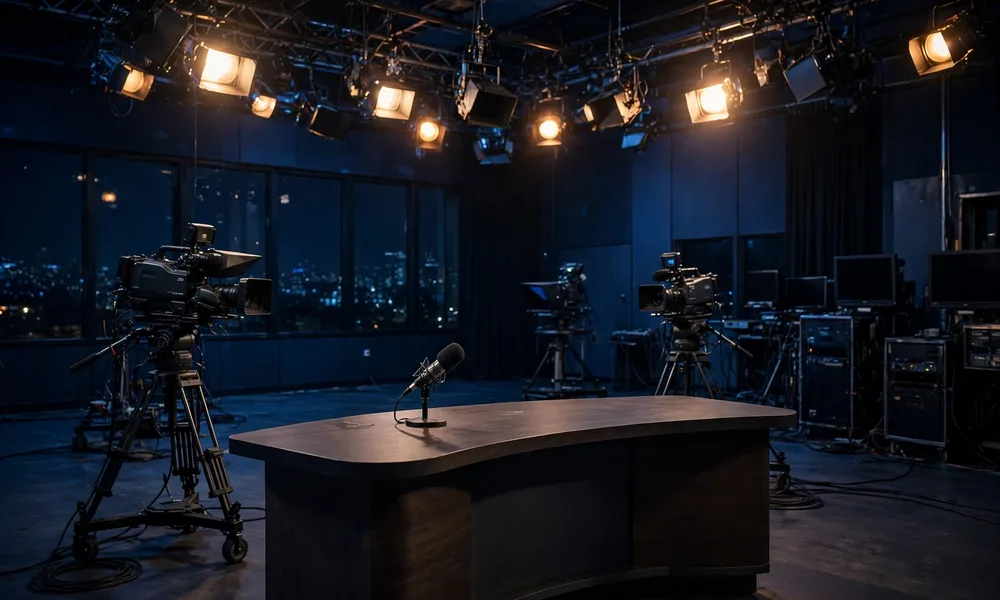
President Donald Trump made a surprise phone call into C-SPAN on Monday night, November 9, 2026, joining the first night of the network’s new evening show, Washington Journal Primetime, shortly after it began at 9 p.m. Host Mimi Geerges told viewers the call was coming from the White House, and Trump stayed on the line for about eight minutes. He talked about immigration enforcement, the war with Iran, and the push in the House to impeach Defense Secretary Pete Hegseth, and he said he watches C-SPAN call-ins to get a sense of where the country stands. The call came only hours after another surprise appearance earlier in the day, when Trump walked into the White House briefing room with UFC chief Dana White.
Quick Facts
| Detail | What happened |
|---|---|
| Date and time | Monday night, November 9, 2026, shortly after 9 p.m. |
| Show | Washington Journal Primetime, a newly launched C-SPAN evening show |
| Host | Mimi Geerges |
| Caller | President Donald Trump, calling from the White House |
| Length of call | About eight minutes |
| Main topics | Immigration enforcement, the Iran war, Pete Hegseth impeachment |
| Earlier that day | Trump met Qatar Prime Minister Sheikh Mohammed bin Abdulrahman Al Thani at the White House |
| House vote | First procedural vote on the Hegseth impeachment resolution set for 5:30 p.m. ET on Tuesday, November 10 |
| War start date | The US-Israel war with Iran began on February 28, 2026 |
A Surprise Call Minutes Into a New Show
Washington Journal Primetime was starting its first night when Mimi Geerges told viewers, “It looks like we’ve got a call from the White House.” Moments later, President Donald Trump was on the line, live on C-SPAN.
The timing made the moment even more striking. The show itself was brand new, and the president chose its first night to phone in without warning. “I like to watch the call-ins because it gives me a little of an indication of where we are,” Trump told Geerges, according to the New York Post. C-SPAN callers are everyday viewers who call in to praise, complain, or ask blunt questions, and the president said he pays attention to what they say.
The call lasted about eight minutes and touched on three of the biggest stories of the day. It also came at a sensitive moment, a week after Republicans suffered losses in the 2026 midterm elections. A president phoning a public affairs show on a new program’s first night was a reminder that Trump still prefers to speak to the public directly, without filters.
What Trump Said About Immigration
Immigration was one of the first subjects Geerges raised. She asked Trump about what she called “the honest people who are just kind of trying to make a life and paying their taxes,” people who entered the country illegally but have built quiet lives and paid taxes, and who are not accused of any crime beyond their immigration status.
Trump answered that his deportation drive has been softer toward illegal immigrants who are not public safety threats. The answer drew a line between people seen as a danger to public safety, who remain the focus of enforcement, and people simply living and working in the country, who Trump suggested have faced a gentler approach.
Trump’s words did not announce a new policy, and he did not give numbers or details. But the tone was softer than the hard line he often uses at rallies. Supporters say strong enforcement is needed to restore order at the border, while critics say the drive has swept up people with deep roots in their communities. Whether the softer distinction holds up in practice will keep coming up, and the call gave both sides a fresh quote to argue over.
Iran and the Question of War
The war with Iran took up a large part of the call, and Trump gave answers that were both confident and open ended. Earlier on Monday, after meeting Qatar’s Prime Minister Sheikh Mohammed bin Abdulrahman Al Thani at the White House, Trump had told reporters, “Iran militarily is effectively over” and “We’re just keeping it the status quo.” He said the United States would keep its naval blockade going, a blockade he called the greatest military blockade ever.
On C-SPAN, he kept that same confident tone but left the door open to more action. “Well, it depends. I mean, we could knock it out fast,” he said. He added, “We may have to hit Pickaxe Mountain if they’re going to do something. We don’t see that. We have the eye in the sky on it very strongly, and we don’t see it. But bottom line is we can’t let Iran have a nuclear weapon because they’d use it.”
Those words need careful reading. Trump has not announced a formal end to military operations or a peace deal. The blockade continues, and limited operations have continued as well. Saying a war is “effectively over” while keeping a blockade in place and warning that the United States may still strike is a mixed message. The US-Israel war with Iran began on February 28, 2026. For more on the diplomacy, read our report on Trump calling the Iran strikes unnecessary during Qatar talks.
Hegseth and the Impeachment Vote
The third big topic of the call was the effort to impeach Defense Secretary Pete Hegseth, and Trump left no doubt where he stands. He said he would be “disappointed” if House Republicans voted for the impeachment resolution put forward by Rep. Thomas Massie. It was a direct warning to members of his own party, delivered live on television the night before a key vote.
Massie introduced eight articles of impeachment against Hegseth on Monday, November 9, the same day as the C-SPAN call. The House is set to take a first procedural vote at 5:30 p.m. ET on Tuesday, November 10. That vote had not happened at the time of writing, and no outcome should be assumed. Trump defended Hegseth in strong terms, saying the defense secretary had “won two wars” and had taken control over Venezuela’s oil and gold. Those are Trump’s claims, and they should be read as his words, not as settled fact.
For background on how the impeachment effort reached this point, see our coverage of Massie reintroducing the Hegseth impeachment and forcing a vote. The push has divided Republicans, since Massie has been one of the most outspoken critics of the administration’s military actions. For more on the Democratic side, read our report on Jeffries giving a hard yes on Hegseth impeachment. A procedural vote does not decide impeachment on its own, but it shows where members stand, and Trump’s warning suggests the White House is taking the threat seriously.
The Mystery Laugh in the Background
One of the strangest moments of the call had nothing to do with policy. At the start of the call, a woman was heard giggling in the background, and listeners quickly noticed it. Within hours, the clip was circulating online as people guessed who she might be.
Some online speculation, including from CNN legal analyst Jeffrey Evan Gold, who reposted the C-SPAN clip, suggested it could be aide Natalie Harp. That idea spread quickly, but it is only speculation. Neither Trump nor the White House has addressed the laughter or said who the woman was, and there is no confirmed information identifying her. Treating an unconfirmed guess as fact would distract from what the call was actually about.
Why This Call Stood Out
Surprise presidential calls are rare, and this one stood out for several reasons. First, it happened on the first night of a new show, which gave Washington Journal Primetime an opening night no producer could have planned. Second, it covered three major stories at once, giving the public a direct look at the president’s thinking on immigration, Iran, and the Hegseth fight in a single eight minute conversation.
Third, the format itself mattered. C-SPAN is not a friendly interview show or a rally stage. It is a place where regular people call in and ask questions, and Trump said he watches those call-ins to judge the public mood. By calling in himself, he stepped into that world rather than speaking from behind a podium. Finally, the timing told a story. The call came a week after midterm losses for Republicans and on the same day as a surprise briefing room appearance with Dana White.
Frequently Asked Questions
What did Trump say on his C-SPAN call?
Trump spoke for about eight minutes on Washington Journal Primetime on Monday night, November 9, 2026. He talked about immigration enforcement, the war with Iran, and the effort to impeach Defense Secretary Pete Hegseth. He also said he likes to watch C-SPAN call-ins to sense where the country stands.
What did Trump say about Iran on C-SPAN?
Trump said the United States could act fast if needed, saying, “Well, it depends. I mean, we could knock it out fast.” He also said, “We may have to hit Pickaxe Mountain if they’re going to do something,” while adding that the United States does not see Iran making such a move. Earlier that day he had told reporters that Iran militarily is effectively over and that the US naval blockade would continue, but he has not announced a formal end to military operations or a peace deal.
What is the Hegseth impeachment vote about?
Rep. Thomas Massie introduced eight articles of impeachment against Defense Secretary Pete Hegseth on Monday, November 9. The House is set to take a first procedural vote at 5:30 p.m. ET on Tuesday, November 10. Trump said he would be disappointed if House Republicans voted for the resolution, and he defended Hegseth on the call.
Who was the woman laughing in the background of the call?
A woman was heard giggling in the background at the start of the call, but she has not been identified. Online speculation, including from CNN legal analyst Jeffrey Evan Gold, suggested it could be aide Natalie Harp. That is unconfirmed, and neither Trump nor the White House has addressed it.
SOURCES
Final Thoughts
The surprise call was a small moment that said a lot about how Donald Trump likes to communicate. Eight minutes on a new C-SPAN show gave the public direct answers on immigration, Iran, and the Hegseth impeachment fight, without a podium, a teleprompter, or a planned interview. The House vote on Tuesday will show whether Trump’s warning held, and the mystery of the background laugh will likely stay unsolved unless the White House addresses it. For now, the call is a reminder that the most telling presidential moments are often the unplanned ones.